

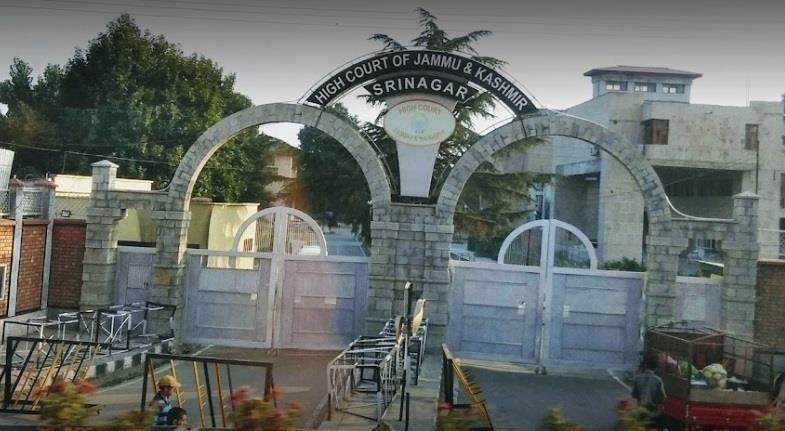
J&K HC: Owning Controversial Books Doesn't Warrant PSA


A bench of Justice Moksha Khajuria Kazmi made the observations while setting aside the preventive detention order passed against Shafat Maqbool Wani under the Jammu and Kashmir Public Safety Act, 1978, and directed that he be released from preventive custody forthwith.
ADVERTISEMENTThe court said an academic scholar could legitimately possess a variety of literary works as part of intellectual inquiry and that possession of books with controversial or disturbing titles could not automatically be treated as evidence of criminal conduct warranting preventive detention.
The detention grounds relied, among other things, on the alleged seizure of“anti-national literature” from Wani.
ADVERTISEMENTThe books cited by the authorities included titles such as Construction of an Islamic Order in Hindutva Reimagination, The Saffronization of Occupied Kashmir, Demystifying Hindutva Settlers and Colonial Designers.
However, the court noted that the books had been wrongly attributed to Wani as works authored by him.
The bench observed that, being an academic scholar, Wani could be expected to possess a range of literary works and that the mere nature or title of the books could not be used to conclude that he was an anti-national or that he posed a threat warranting preventive detention.
“The alleged anti-national literature shown to have been seized from the detenue (Wani) has also presumably weighed with the respondents (authorities) to brand the detenue as an anti-national,” the court observed.
It held that the alleged literature, in the circumstances of the case, could not constitute sufficient justification for invoking preventive detention.
The court also found that no specific subversive activity had been attributed to Wani that could establish a rational and proximate basis for his detention under the PSA.
It rejected as“delusory” the authorities' assertion that Wani had developed a separatist ideology since childhood merely because his father had been an ex-militant who surrendered in 1990.
Detaining a person on such an assumption, the court said, amounted to an“unmindful exercise of power”.
The bench stressed that preventive detention is an exceptional measure and requires the detaining authority to apply its mind to relevant circumstances and establish a live and proximate link between a person's past conduct and the imperative need for detention.
It further held that the grounds of detention must be precise, pertinent and sufficiently clear to enable the detenue to make an effective representation against the detention.
The court relied upon the Supreme Court's judgement in Ameena Begum v. State of Telangana, which lays down safeguards governing judicial scrutiny of preventive detention orders, including the requirement that the subjective satisfaction of the detaining authority must be based on relevant and rationally probative material.
Read Also J&K HC Quashes PSA Detention Of Baramulla Man Sexual Assault Case: HC Refuses Bail Despite Victim Turning HostileThe High Court ultimately quashed the detention order dated September 13, 2025, issued by the District Magistrate, Kupwara, and directed that Wani be released from preventive custody forthwith.
Detention followed NIA case bailWani's detention was ordered under the PSA on September 13, 2025, with the stated objective of preventing him from indulging in activities considered“detrimental to the security of the State”.
The grounds cited by the authorities included, among other things, invitations Wani had received to attend certain international conferences.
The preventive detention order was issued the same day a Jammu NIA court granted him bail in a UAPA case registered at the Handwara police station.
The High Court's findings came while examining the material relied upon by the authorities to justify the preventive detention and the manner in which the grounds had been framed and communicated to Wani.
Ruling comes amid book banThe judgement assumes significance against the backdrop of the Jammu and Kashmir government's decision to ban the publication and circulation of 25 books on Kashmir on August 5, 2025, the sixth anniversary of the abrogation of Article 370.
The Home Department had said the books promoted a“false narrative” and“secessionism” and that their continued publication and circulation had the potential to disturb public order and promote anti-national sentiments.
Among the books included in the ban were Azadi by author Arundhati Roy; Kashmir: The Case for Freedom, a collection of essays by Tariq Ali, Pankaj Mishra and others; Confronting Terrorism, a collection of essays edited by Maroof Raza; and In Search of a Future by journalist and author David Devadas.
The High Court judgement, however, concerned Wani's individual preventive detention and the sufficiency and relevance of the material relied upon by the detaining authority, rather than the legality of the government's separate order concerning the books.
The court's observations underline that the possession of literature, even where its subject matter or titles are politically contentious, cannot by itself substitute for concrete material demonstrating conduct warranting preventive detention.
The judgement also reiterates the requirement that authorities exercising preventive detention powers must establish a proximate connection between the material relied upon and the necessity to prevent the detenue from engaging in prejudicial activities.
The court's decision effectively brings Wani's preventive detention under the PSA to an end, subject to any other lawful proceedings or orders that may remain pending against him.
Legal Disclaimer:
MENAFN provides the
information “as is” without warranty of any kind. We do not accept any
responsibility or liability for the accuracy, content, images, videos,
licenses, completeness, legality, or reliability of the information
contained in this article. If you have any complaints or copyright issues
related to this article, kindly contact the provider above.
Comments
No comment