

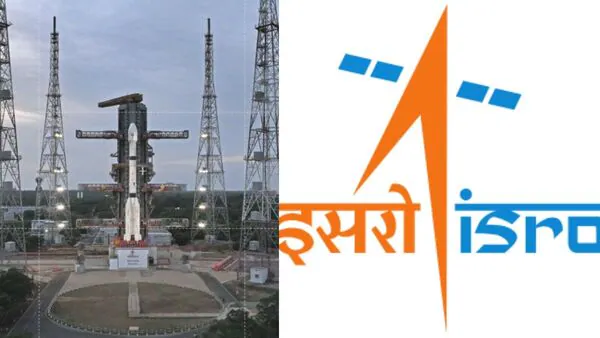
ISRO Bodies Seek Clarity On Privatisation Role, Launch Vehicles, Future Roles And More Amid Private Space Push: Report


“Private participation in defined commercial activities can coexist with a strong, publicly owned ISRO. What cannot be accepted without debate is a policy that reduces ISRO to a residual R&D boutique while the realisation of the nation's launch vehicles and the operation of its launch infrastructure pass out of public hands,” the representation reads, as quoted by a report of the Times of India.
The employee bodies called the technology developed by ISRO a national asset. It said that the organisation's transfer must be transparent and accountable.
“...Serving employees have an earned right to be informed, consulted and protected. Natural justice and good administration require that policy of this magnitude be explained to the workforce by the Department itself,” the representation read.
The joint representation was reportedly signed by the ISRO Staff Association, SHAR Employees Association, ISAC Employees Association, ISRO Staff Association-LPSC, ISRO Staff Association-BBU, NRSA Employees Union, Space Employees Association-BBU, ISRO Staff Association-IPRC and SAC Employees Welfare Association.
Also Read | ISRO Launches India's First-Ever Geo-Imaging Satellite GSLV EOS-05 What are the demands?The bodies referred to a statement reportedly made by IN-SPACe chairman Pawan Goenka on ISRO eventually“not manufacturing any launch vehicles” and asked for clarity on whether his remark“represents an approved decision of the Govt of India, Space Commission or DoS." If yes, the bodies are also seeking further details around its approval, authority and more.
The employees via the bodies also sought clarity on the future role of ISRO, asking,“What will be the future mandated role of ISRO - specifically, whether design, development, realisation, integration, testing and launch of PSLV, LVM-3, SSLV and successor vehicles will continue as ISRO functions or will cease. Whether any decision has been taken to exclude PSUs from the proposed transfer of PSLV/LVM-3 production, and the justification for such exclusion."
More written details of the institutional framework under which publicly developed technology, test facilities, launch complexes and know-how built using taxpayer funds and the work of generations of ISRO employees are being opened to private operators are also sought.
“ISRO built with public funds, public purpose and public workforce”Apart from these, clarity on the respective roles of NSIL and IN-SPACe in such transfers was also demanded.
“ISRO was built as a national scientific institution with public funds, public purpose and a public workforce. Launch-vehicle design, realisation, integration, testing and launch operations are not merely 'manufacturing contracts'. They are the core competence, institutional memory and strategic capability of the organisation,” the representation reads.
Also Read | ISRO achieves its first major success this year with GSLV-F17/EOS-05 missionThe employee representative said they feared that a gradual withdrawal of ISRO from launch-vehicle and satellite realisation could affect work opportunities as well.
“Existing employees may be rendered surplus, or redeployed, or left without meaningful work while the same tasks are performed by private contractors using publicly developed technology...Regular recruitment to Group A, B and C posts - already constrained by vacancies and attrition - will further decline, denying opportunity to meritorious youth who look to Isro as a public career of honour, not as a private contractor's workforce,” the letter also reads.
In the closing comments, reportedly the letter congratulated ISRO on the success of the GSLV-F17 /EOS-05 mission.
“We submit this in a constructive and democratic spirit," it concluded. The bodies are expected to take action as per the written response.

Legal Disclaimer:
MENAFN provides the
information “as is” without warranty of any kind. We do not accept any
responsibility or liability for the accuracy, content, images, videos,
licenses, completeness, legality, or reliability of the information
contained in this article. If you have any complaints or copyright issues
related to this article, kindly contact the provider above.
Comments
No comment