

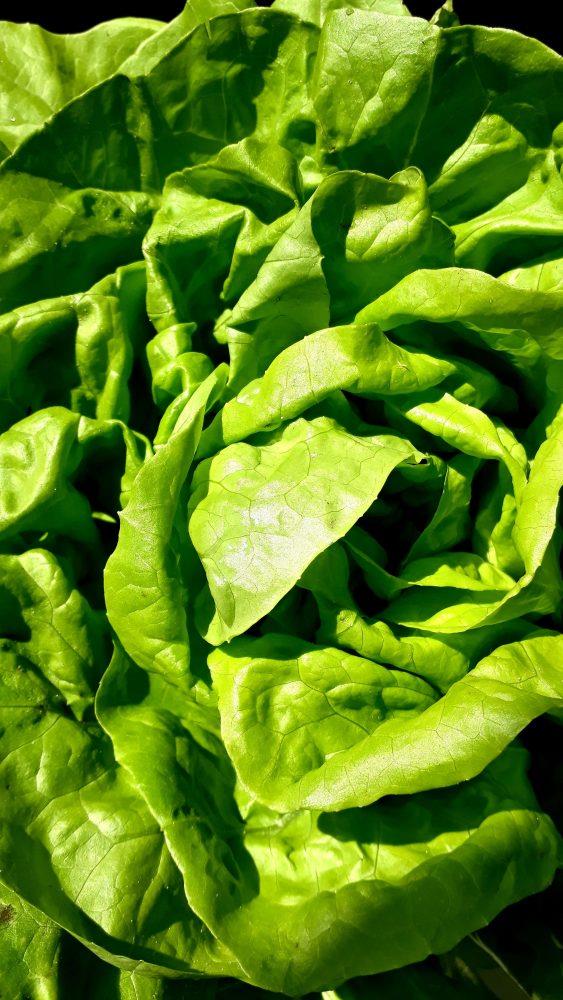
The Recalled Lettuce Is Gone From Stores - So Why Are Outbreak Cases Still Rising?


When federal health agencies announce a sweeping recall for contaminated romaine or iceberg lettuce, consumers often assume the danger has passed the moment store shelves are cleared. Supermarket managers pull green bags, distributors halt shipments, and shoppers dutifully throw out suspected leftovers. Yet public health bulletins frequently show that reported infection cases continue climbing for weeks after the initial product removal. This frustrating reality leaves many people wondering how an outbreak can keep expanding long after the offending produce is supposedly gone.
Understanding this phenomenon requires examining the complex timeline of foodborne disease tracking and human biology. From the moment a contaminated leaf is harvested on a farm to the day a patient receives a definitive laboratory diagnosis, an extensive chain of events unfolds. Pathogens do not cause immediate symptoms, and public health surveillance systems operate on a delayed feedback loop. Recognizing how these invisible reporting gaps work helps clarify why outbreak statistics often peak well after retail shelves are empty.
The Extended Incubation Window of Dangerous PathogensThe primary driver behind rising case numbers long after a recall is the natural biological incubation period of bacteria like E. coli and Salmonella. When a consumer eats a salad made from contaminated lettuce, the pathogenic bacteria do not make them sick instantly. Most harmful strains require anywhere from three days to over a week to multiply inside the digestive tract before triggering noticeable symptoms.
During that invisible window, the person feels completely healthy and may even consume multiple servings from the same contaminated bag over several days. Even after acute symptoms like severe abdominal cramps, fever, or bloody diarrhea finally begin, patients rarely rush to a doctor on day one. Many individuals attempt to ride out mild illness at home, delaying medical consultation for several more days. By the time a patient actually books an appointment, provides a stool sample, and waits for laboratory cultures to grow, two to three weeks might have passed since they ate the salad.
The Delayed Public Health Surveillance Feedback LoopOnce a clinical laboratory identifies a dangerous bacterial strain in a patient, that positive test result must move through a multi-tiered public health reporting system. Local clinics report findings to county health departments, which then transmit the data to state health agencies and federal bodies like the Centers for Disease Control and Prevention. Epidemiologists at the federal level must analyze incoming genetic data to determine if a specific patient belongs to a broader, unfolding national outbreak cluster.
This sophisticated genetic sequencing process, known as whole-genome sequencing, takes precious time to execute and verify. By the time epidemiologists officially link a cluster of sick patients to a specific farm or distributor, weeks have already elapsed. Consequently, when a recall finally hits the evening news, the outbreak curve reflects infections that actually occurred a month prior. The cases appearing in weekly bulletins represent people who were exposed before the recall was ever conceived.
Leftover Household Inventory and Refrigerator RealitiesAnother significant factor keeping outbreak numbers elevated is the shelf life of modern packaged produce and the habits of home cooks. When a multi-state recall is announced, public health officials rely on consumers to check their refrigerators and discard dangerous items immediately. Unfortunately, many households fail to see the news alerts, or they store pre-washed salad bags hidden away in deep crisper drawers.
A consumer might purchase a plastic clamshell of mixed greens on a Sunday, eat half of it, and push the remainder to the back of the fridge for later in the week. Even if the store pulls remaining stock on Wednesday, that forgotten package sitting in a home refrigerator remains a ticking time bomb. Families continue consuming the contaminated greens days or weeks after the official removal action, unknowingly renewing the exposure cycle and generating fresh infection cases.
Cross-Contamination in Home Kitchens and RestaurantsThe danger posed by contaminated leafy greens extends far beyond the original package due to the persistent nature of bacterial cross-contamination. Pathogens transferred from unwashed lettuce leaves onto cutting boards, kitchen knives, reusable shopping bags, or refrigerator shelves can survive for extended periods. If a home cook prepares a salad and uses the same unwashed knife or cutting board to slice tomatoes or cheese later, the bacteria spread easily to other foods.
Commercial kitchens and fast-food chains face similar risks on a much larger scale during active outbreaks. Food prep surfaces that came into contact with recalled lettuce can harbor bacteria unless rigorous sanitization protocols are strictly enforced. A patron might order a completely different menu item that contains no lettuce at all, yet still fall ill because the prep station was cross-contaminated earlier in the day. This secondary spread keeps infection numbers climbing even when primary retail products have been successfully eliminated.
The Vulnerability of High-Risk PopulationsCertain demographic groups experience significantly longer illness durations and higher complication rates when exposed to foodborne pathogens. Young children, elderly adults, and individuals with underlying immune deficiencies are far more likely to develop severe systemic complications from E. coli infections, such as hemolytic uremic syndrome. These vulnerable patients often require prolonged hospital stays, intensive medical monitoring, and specialized treatments that extend the reporting window for epidemiologists.
Because severe cases take longer to resolve and involve multiple levels of specialized medical intervention, they remain active in public health databases for months. A patient hospitalized with kidney complications weeks after an initial exposure keeps that specific outbreak case file active in official monitoring systems long after retail shelves are cleared. The severity of the illness directly influences how long an outbreak lingers in official health reports.
Navigating Food Safety After a RecallThe lingering nature of foodborne illness outbreaks underscores the importance of stringent kitchen hygiene and rapid response when recalls occur. Checking your refrigerator immediately upon hearing a public safety announcement remains the single most effective way to protect your household. When fresh produce recalls hit the news, tossing out suspected items prevents delayed exposures and breaks the chain of transmission. Remaining vigilant about food safety transforms unexpected contamination alerts into manageable household adjustments.
What steps do you take in your kitchen to sanitize surfaces after handling packaged greens or fresh produce?
What To Read NextYou Ate the Recalled Food Before You Saw the Alert. Now What?
Halloween Candy Sold at TJ Maxx, Marshalls and HomeGoods Recalled Over Undeclared Milk
Your Grocery Store Recalled Something You Bought. Are You Entitled to a Refund?
Why Does It Feel Like Everything Is Being Recalled in 2026?
Nearly 19 Million Eggs Recalled as FDA Warns of Potentially Deadly Salmonella Risk

Legal Disclaimer:
MENAFN provides the
information “as is” without warranty of any kind. We do not accept any
responsibility or liability for the accuracy, content, images, videos,
licenses, completeness, legality, or reliability of the information
contained in this article. If you have any complaints or copyright issues
related to this article, kindly contact the provider above.
Comments
No comment