

7 Foods You Might Not Realize Can Be Affected By An Ingredient Recall


When federal health agencies issue a major agricultural recall for contaminated produce, spices, or dairy, consumers usually picture the raw ingredient sitting alone on a supermarket shelf. We imagine bags of fresh spinach, loose jalapeño peppers, or cartons of liquid milk facing immediate removal. Yet modern food manufacturing relies on complex, interconnected supply chains where raw agricultural commodities are rapidly transformed into commercial products. A single contaminated batch of raw peppers or powdered milk can infiltrate countless prepared foods before anyone realizes a problem exists.
Understanding how ingredient recalls cascade through the grocery store is essential for protecting your household from unexpected food safety hazards. Major food processors buy ingredients by the literal ton, blending raw agricultural outputs from multiple global farms into massive commercial production runs. When a routine laboratory test detects a dangerous pathogen like Salmonella or Listeria in one component, the downstream recall expands far beyond the raw item. Exploring the surprising everyday foods caught in these sweeping safety nets reveals how deeply ingredient sourcing impacts your pantry.
1. Frozen Breakfast Burritos and Handheld MealsFreezer aisles are stocked with convenient, fully cooked breakfast burritos and microwaveable handheld meals designed for busy morning routines. Most shoppers assume that because these products contain cooked eggs, pre-cooked sausage, and melted cheese, they are completely immune to raw agricultural contamination.
However, manufacturers frequently incorporate fresh diced vegetables, green chiles, and spicy salsas directly into the interior filling before the product is rolled and frozen. If an ingredient recall hits the pepper or tomato supplier, those frozen burritos become immediate vectors for foodborne illness. Heating a burrito in a microwave does not always guarantee uniform internal temperatures required to destroy persistent bacterial strains, making frozen convenience items a frequent target for downstream recalls.
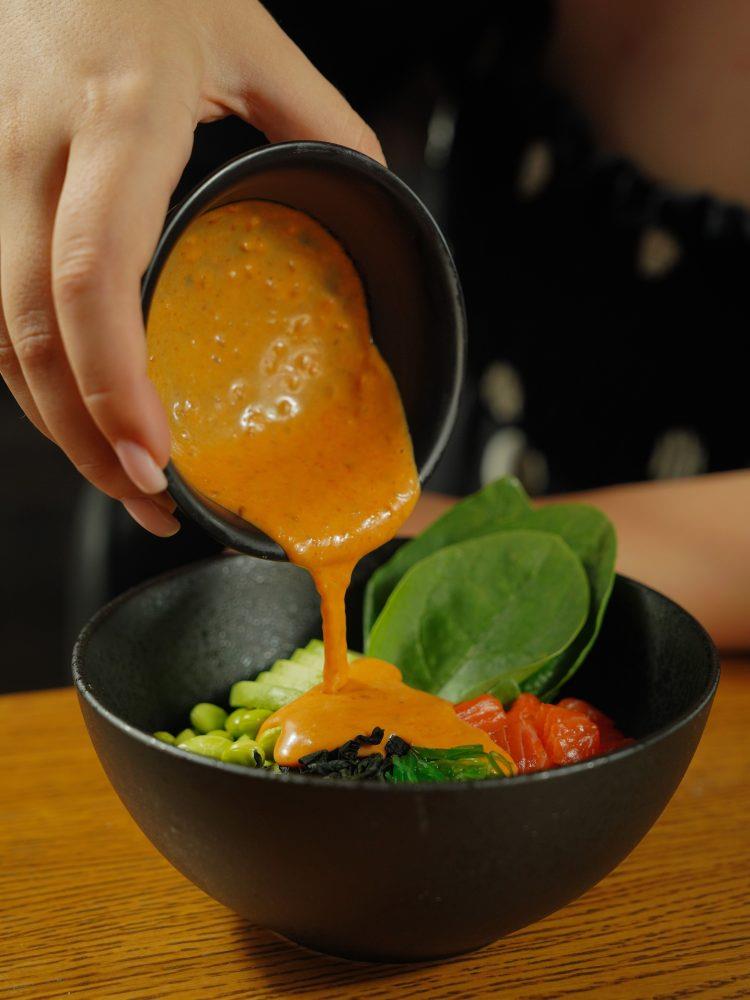
2. Commercial Salad Dressings and Creamy DipsThe condiment aisle houses an endless array of bottled salad dressings, refrigerated dips, and creamy spreads used to enhance everyday meals. While vinegar, salt, and commercial preservatives create a hostile environment for many pathogens, certain ingredients provide a safe harbor.
Ranch dressings, jalapeño lime aiolis, and cilantro-infused dips often rely on fresh herb purees, raw garlic, and imported pepper pastes to deliver bold flavor profiles. When agricultural producers report contamination in raw herb or pepper crops, commercial salad dressing lines face sweeping inventory withdrawals. Because these dressings are consumed raw without any secondary cooking process, any bacteria present in the raw ingredients survives right down to the final plate.
3. Artisanal Crackers and Savory Snack MixesPantry-stable snack foods like gourmet crackers, cheese sticks, and party mix pretzels appear completely safe from the risks associated with fresh produce or raw dairy. Yet commercial bakeries frequently coat these baked goods with specialized seasoning powders and botanical spice blends to create complex flavor profiles.
If a spice manufacturer experiences contamination in a bulk shipment of onion powder, garlic powder, or chili seasoning, every snack brand utilizing that specific lot must recall its inventory. Consumers rarely inspect cracker boxes for spice ingredient origins, making snack-time recalls particularly surprising for families who rely on shelf-stable goods for school lunches and quick afternoon snacks.
4. Pre-Made Deli Salads and Pasta BowlsThe refrigerated deli section offers a wide variety of ready-to-eat pasta salads, potato salads, and layered chicken dishes designed for instant lunch solutions. These multi-ingredient products combine cooked starches with raw mix-ins like diced bell peppers, chopped onions, celery, and fresh herbs.
Because deli salads are mixed together in large commercial facilities and held in refrigerated display cases for days, they serve as ideal environments for bacterial growth if a single raw ingredient is tainted. A recall targeting raw celery or diced peppers can instantly invalidate dozens of distinct deli salad recipes across multiple supermarket chains, catching everyday shoppers completely off guard.
5. Frozen Pizza Varieties With Specialty ToppingsFrozen pizza remains a household staple for quick family dinners, offering reliable comfort food across countless brand variations. While standard pepperoni and plain cheese pizzas rarely face agricultural ingredient recalls, specialty artisan pies frequently feature complex toppings.
Pizzas marketed with roasted red pepper strips, artisan green chile sauces, or fresh vegetable medleys rely on agricultural supply chains that cross international borders. When federal inspectors flag contamination in fresh pepper or tomato lots, frozen pizza manufacturers must pull affected UPCs from freezers nationwide. Checking your freezer inventory during a major produce recall is just as important as inspecting your refrigerator crisper drawer.
6. Commercial Gravy Mixes and Soup BasesDry powdered soup mixes, bouillon cubes, and packaged gravy packets sit quietly in kitchen pantries for months, appearing impervious to biological safety concerns. However, these shelf-stable bases often rely on dehydrated vegetable powders, hydrolyzed plant proteins, and complex spice extracts to deliver savory depth.
If a processing plant utilizes a contaminated batch of dehydrated onion or powdered pepper within a commercial gravy blend, the finished dry mix carries the pathogen forward. When home cooks reconstitute the powder with water and simmer it on the stove, insufficient heat or improper mixing can occasionally leave bacterial spores viable. Ingredient-driven soup and gravy recalls remind us that even dry pantry goods require careful safety monitoring.
7. Flavored Tortilla Chips and Seasoned Pita CrispsBagged tortilla chips and flavored snack crisps are typically subjected to high-temperature baking or frying processes that easily eliminate most surface bacteria. Despite this thermal kill step, the vulnerability lies in the post-bake oil and seasoning application phase.
After chips emerge from the fryer, manufacturers tumble them through large drums where they are coated in specialized seasoning oils and powdered flavor blends. If the spice blend contains contaminated dairy solids, pepper powder, or herb extracts, the finished snack absorbs the pathogen directly onto its surface. Enjoying a bag of flavored chips can thus become an unexpected exposure point during a complex agricultural ingredient recall.
Staying Alert to Supply Chain ComplexitiesNavigating modern grocery shopping requires recognizing that food safety extends far beyond simple raw ingredients found in produce aisles. Complex commercial supply chains mean that a single contaminated crop can surface in unexpected places across your kitchen pantry and freezer. Staying informed about federal recall notices helps ensure your household avoids hidden foodborne risks.
What steps do you usually take to check whether pantry items or packaged foods in your home are impacted by a sudden recall?
What To Read NextYou Ate the Recalled Food Before You Saw the Alert. Now What?
Oma's Pride Recalls Raw Dog Food After Salmonella Found, 3 Illnesses Reported
Buying School Lunch Snacks in Bulk? Check for Recalls First
Blank Slate Creamery Recalls Vegan Frozen Dessert Over Undeclared Egg Allergen
Trader Joe's, Walmart, Kroger and Target Products Recalled Over Salmonella Risk

Legal Disclaimer:
MENAFN provides the
information “as is” without warranty of any kind. We do not accept any
responsibility or liability for the accuracy, content, images, videos,
licenses, completeness, legality, or reliability of the information
contained in this article. If you have any complaints or copyright issues
related to this article, kindly contact the provider above.
Comments
No comment