

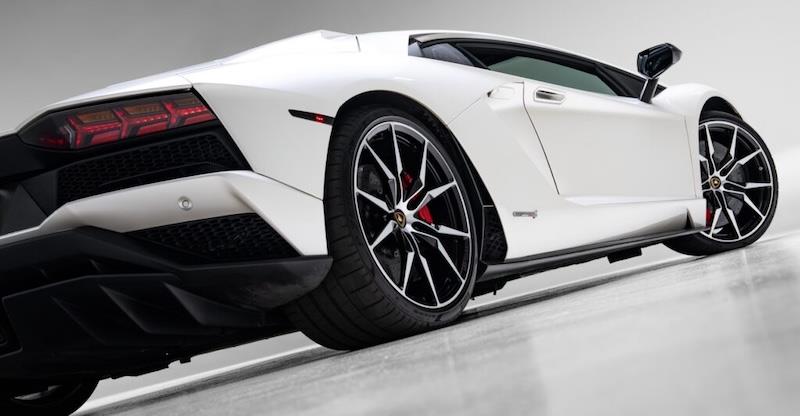
Sports Cars Vs Supercars: What's The Real Difference?


A sports car usually balances speed with comfort, cost, and regular usability. A supercar accepts a greater sacrifice to pursue acceleration, top-end pace, exclusivity, and technical ambition.
That distinction is evident in measurable factors, including horsepower, lap-time performance, pricing, service demands, cabin space, and road manners. Examining those details gives drivers a clearer basis for comparison.
Factors to ConsiderA sports car can deliver extraordinary pace, while an entry-level exotic may prioritize comfort over outright speed. A practical sports cars vs supercars comparison is more useful than a contest based on styling alone. Output, chassis layout, production volume, operating cost, and intended use reveal where each vehicle fits.
Power Provides the First ClueEngine output provides an early indication, although horsepower alone cannot settle the classification. Many sports cars produce between 300 and 500 horsepower. More specialized versions can exceed that range.
Supercars often begin near 500 horsepower and may pass 800. A Chevrolet Corvette Z06 and Nissan GT-R demonstrate why the boundary remains flexible. Both deliver exceptional pace without matching every traditional feature associated with exotic machinery.
Acceleration Shows the DifferenceStraight-line acceleration exposes a sharper divide. Typical sports cars reach 60 miles per hour in roughly four seconds, with stronger variants entering the mid-three-second range. Supercars commonly complete that sprint in less than three seconds.
Launch control, all-wheel drive, electric assistance, and rapid gear changes contribute to those figures. Repeated hard launches also require stronger cooling, transmission components, and driveshafts.
Speed and Velocity MatterMaximum velocity supports the distinction, although public roads rarely provide a safe setting for testing it. Many sports cars approach 200 miles per hour, while a few pass that threshold.
Supercars frequently exceed 200 miles per hour. Their bodywork, gearing, engine capacity, and cooling systems support sustained high-speed running. Track behavior matters more than a single headline figure, particularly during repeated laps.
Everyday Use Reveals the Practical GapPracticality often separates the categories more clearly than appearance. Sports cars tend to offer usable storage, better visibility, moderate ground clearance, and cabins suited to frequent travel.
Supercars can handle road journeys, yet their low front ends, broad bodies, limited compartments, and stiff rides create regular obstacles. Some newer examples reduce those concerns through parking cameras, hydraulic lift systems, and adjustable drive settings.
Ownership Costs Carry WeightPurchase price provides another strong indicator. Many sports cars range from $30,000 to $175,000, depending on age, manufacturer, trim level, and equipment. Supercars commonly occupy the $200,000 to $800,000 range.
Insurance premiums, specialist servicing, carbon-ceramic brakes, high-performance tires, and scarce replacement components can increase annual spending. Depreciation also differs sharply between high-volume production models and limited-run cars.
Rarity Changes the Ownership ExperienceProduction volume influences perception, availability, and resale value. A sports car may sell in substantial numbers over several years, making parts, technical knowledge, and pricing records easier to find.
Supercars usually arrive in smaller batches. Limited supply can increase desirability, especially when a model has a racing heritage or a highly respected nameplate.
The Boundary Remains FlexibleCertain vehicles challenge simple labels. The Porsche 911 GT3 RS offers track-focused performance that rivals that of many exotic models. The Corvette Z06 delivers similar pace at a substantially lower entry price.
Meanwhile, a standard Porsche 911 remains easier to operate and maintain than a mid-engine exotic. These examples show that classification depends on the full package, including power, layout, cost, production numbers, and intended purpose.
How to Choose the Right Category?Drivers seeking regular enjoyment may prefer a sports car because it combines responsive handling with manageable expenses. That format suits commuting, weekend travel, and occasional circuit use. Collectors or buyers seeking grandeur should opt for a supercar.
Greater output, limited production, distinctive styling, and specialized hardware create a more demanding driving experience. The right choice depends on driving frequency, budget, storage conditions, and tolerance for compromise.
ConclusionA true supercar differs from a sports car in combined intensity, not in a single isolated statistic. Greater output, quicker acceleration, higher speed, advanced hardware, limited production, and heavier ownership costs usually appear together. Sports cars remain compelling because they balance responsiveness with comfort and practicality.
Some models blur the boundary, proving that labels offer guidance rather than strict law. Comparing figures, equipment, ownership needs, and driving purpose gives each buyer a more reliable answer.

Legal Disclaimer:
MENAFN provides the
information “as is” without warranty of any kind. We do not accept any
responsibility or liability for the accuracy, content, images, videos,
licenses, completeness, legality, or reliability of the information
contained in this article. If you have any complaints or copyright issues
related to this article, kindly contact the provider above.
Comments
No comment