

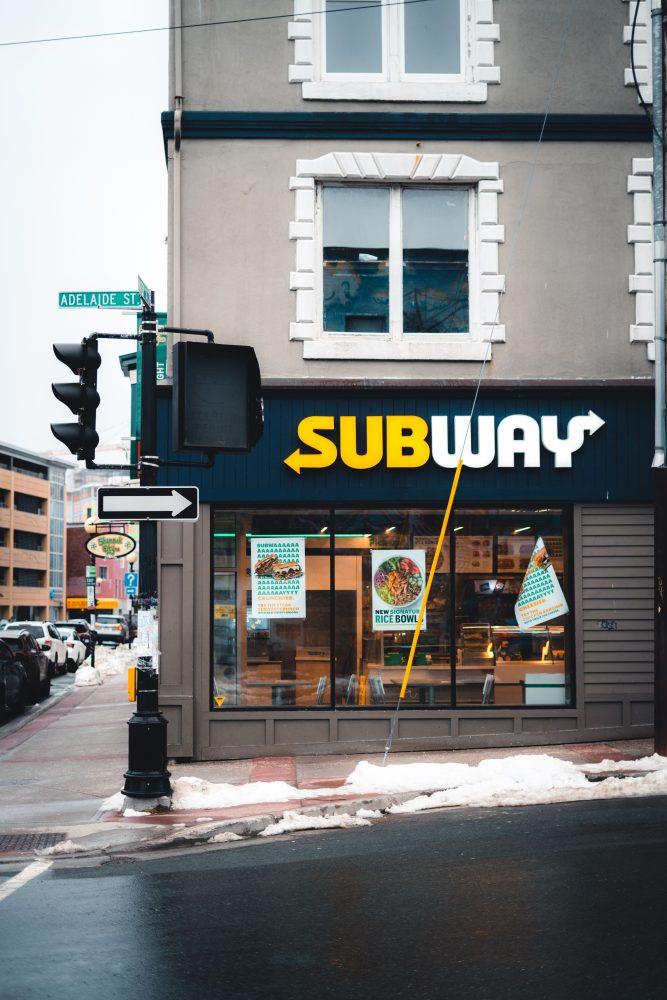
The Subway Problem Isn't Just $15 Footlongs - Here's What Customers Say Has Changed


When discussions about fast food economics arise, public attention usually gravitates straight to the receipt. Headlines love to focus on the creeping cost of a footlong sub, highlighting how inflation and corporate pricing strategies have pushed casual lunch tabs past fifteen dollars. Yet a deeper dive into everyday consumer feedback reveals that the frustration felt inside neighborhood sandwich shops goes far beyond basic menu inflation. Patrons walking up to the glass partition are noticing structural shifts in how their meals are handled, how digital apps process transactions, and how individual franchise locations manage unexpected extra fees. These operational changes are altering the traditional fast-food experience, leaving regular buyers questioning the value of their neighborhood stop.
The friction points accumulating across thousands of franchise locations point to a growing disconnect between corporate restructuring initiatives and customer expectations. For decades, the appeal of the brand rested on a predictable, uniform assembly line where customers dictated every layer of their meal while watching it come together. As modern ownership groups look for ways to protect profit margins against rising supply chain overhead, the resulting changes at the counter have sparked vocal pushback. Understanding these shifts requires looking past the menu board to examine the everyday mechanics of ordering, app reliability, and customer service.
The Fragmented Reality of Franchise Pricing and PoliciesOne of the most jarring realizations for modern patrons is the lack of uniformity between individual store locations, particularly when it comes to regional fees and digital promotions. Because the entire network operates under a franchise model, local owners retain significant autonomy over daily pricing structures, participation in national app deals, and supplementary charges. A digital coupon or buy-one-get-one promotion that flashes brightly on a smartphone screen is frequently rejected at the register by a manager enforcing strict local rules, triggering accusations of deceptive marketing.
This decentralized control creates awkward confrontations between frontline workers and hungry customers. Viral social media disputes highlighting unexpected charges for standard services-such as toasting bread or adding extra condiments-demonstrate how confusing these localized rules can be. When a customer who has visited the chain for twenty years is suddenly told that a basic preparation step carries a separate surcharge, trust breaks down instantly. Frontline employees are left absorbing the brunt of the consumer anger for policies dictated by ownership groups trying to offset escalating operational expenses.
App Glitches and Digital Ordering FrustrationsThe push toward mobile ordering and digital loyalty programs was supposed to streamline the lunch rush, but for many buyers, the app experience has become a frequent source of irritation. Consumers frequently report technical hurdles, such as stored gift card balances disappearing after updates, promotional discount codes failing at checkout despite appearing valid, or online orders being completely overlooked by understaffed kitchen crews. When a customer pays ahead through an app to save time, arriving at the store only to find that preparation has not even begun defeats the entire purpose of mobile convenience.
Furthermore, digital interface limitations often prevent shoppers from applying accumulated reward points or managing multiple payment methods smoothly. When an online order goes wrong or an incorrect sandwich is handed across the counter, seeking remediation through automated customer service chatbots or corporate support lines typically results in a frustrating loop of redirected responsibility. Corporate headquarters routinely directs dissatisfied patrons back to individual franchise owners, while local managers claim their hands are tied by digital platform rules, leaving customers with no clear path to a resolution.
Sequence Shifting and Assembly Line FrictionBehind the counter, operational tweaks introduced by corporate leadership have altered the rhythm of sandwich assembly in ways that confuse both workers and patrons. Traditional preparation habits trained workers to layer meats and cheeses, toast the sub, and finish with crisp vegetables and liquid sauces last. Recent workflow adjustments tested or implemented across various regions have experimented with placing specific sauces on the bread or meat before the toast cycle, disrupting decades of muscle memory.
When customers step up and request a customized build that contradicts newly mandated corporate sequences, confusion immediately follows. Employees caught between corporate training standards and customer preferences often find themselves awkwardly navigating conflicting demands during peak rush hours. These small procedural changes might seem minor on paper, but they chip away at the effortless customization that originally defined the brand's market niche.
Rebuilding Trust at the CounterThe growing wave of customer dissatisfaction highlights a critical transitional phase for quick-service dining networks navigating post-inflation consumer behavior. Fixing the modern fast-food experience requires more than just adjusting menu pricing; it demands transparent policies, reliable digital tools, and consistent service standards across every franchise location. Until operators align their digital promises with a reliable in-store experience, casual diners will continue weighing their options carefully before stepping up to the ordering glass.
What changes have you noticed most at your local fast-food restaurants over the past year?
What To Read Next
The Restaurant“Value Meal” Is Back Everywhere. Is It Actually a Good Deal?
Why Restaurant Fried Chicken Tastes Better Than Yours - 7 Steps That Make the Difference
Do You Really Need to Tip When Picking Up Takeout? Restaurant Workers Weigh In
9 Restaurant Chains Losing Customers as Diners Rethink Where They Spend
Why Restaurant Meals Are Rising Faster Than Groceries in 2026

Legal Disclaimer:
MENAFN provides the
information “as is” without warranty of any kind. We do not accept any
responsibility or liability for the accuracy, content, images, videos,
licenses, completeness, legality, or reliability of the information
contained in this article. If you have any complaints or copyright issues
related to this article, kindly contact the provider above.
Comments
No comment