

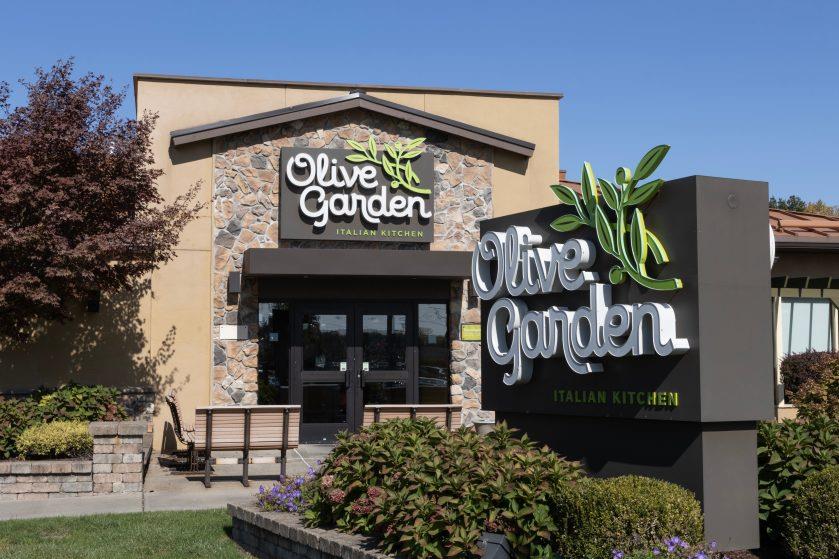
Olive Garden's Breadsticks Are Unlimited - But What Happens To The Ones Nobody Eats?


For many diners, the primary appeal of visiting an Olive Garden location is the famous bottomless basket of warm, garlic-butter-brushed breadsticks. Servers drop off these yeasty treats continuously throughout the meal, often following a simple formula of one breadstick per guest plus an extra for the table. Because the supply is technically unlimited, customers frequently test their limits, leaving behind extra portions in the basket when the meal concludes. This raises an obvious question for curious diners who wonder how a high-volume restaurant manages uneaten baked goods. The destination of those leftover breadsticks depends entirely on whether they ever actually made it to a customer's table.
The psychology of an all-you-can-eat menu model naturally encourages over-ordering and abundance. When patrons know they can request another round at zero additional charge, they tend to accept basket after basket without calculating their actual hunger levels. Kitchen staff keep ovens running constantly to maintain a steady pipeline of hot, soft bread, ensuring that tables never sit empty. Yet this high-speed production creates a logistical challenge at the end of every shift. Balancing customer satisfaction with responsible inventory management requires strict protocols, especially when dealing with perishable baked goods that degrade in quality within minutes of leaving the oven.
The Strict Disposal Rule for Table BasketsAny breadstick delivered to a customer's dining table is designated as food waste once the party leaves. Health codes and strict corporate safety policies mandate that once food leaves the kitchen and touches a customer area, it cannot be recycled, saved, or served to another table. Even if a basket sits untouched and looks completely pristine, servers must scrape the remaining contents straight into the trash at the end of the shift.
Rumors occasionally surface online claiming that restaurants recycle untouched table bread into future service, but current and former employees consistently debunk this as a myth. The risk of cross-contamination is simply too high, and quality control standards mean that breadsticks begin losing their optimal texture and warmth within minutes of leaving the oven. Consequently, anything left behind by diners goes directly into the waste bin. Local health inspectors enforce these rules rigorously to protect public safety and prevent the transmission of foodborne illnesses across dining parties.
Kitchen Surplus and Corporate Donation ProgramsWhile table waste goes into the trash, unserved surplus food inside the kitchen tells a different story. Olive Garden operates under its parent company, Darden Restaurants, which enforces strict preparation guidelines to minimize excess baking. Cooks bake breadsticks in small batches throughout the shift based on real-time traffic to prevent large quantities of unserved product from going stale.
For other surplus foods that are safely prepared but never touched or served to a guest, the chain participates in the Darden Harvest program. This initiative safely freezes wholesome, unserved food items and partners with organizations like Feeding America to distribute meals to local non-profits and food banks. While this program successfully rescues many pounds of surplus food across the corporate portfolio every year, baked breadsticks sitting in table baskets are excluded due to safety constraints.
Employees carefully package, weigh, and label surplus kitchen goods at the close of each business day. Local charitable organizations and community soup kitchens then pick up these frozen donations on a regular schedule. This structured pipeline channels wholesome ingredients directly to families facing food insecurity instead of sending them to local landfills.
Smart Dining Habits to Minimize WasteDiners looking to cut down on unnecessary food waste during their visit can take a few simple steps. If your group is getting full, you can politely ask your server to hold off on bringing out another round of bread. Alternatively, any clean breadsticks left in your personal takeout box can easily travel home to be repurposed later as garlic toast, croutons, or sandwich buns. Balancing the joy of endless appetizers with mindful ordering helps keep both your stomach and the restaurant's environmental footprint in check.
Awareness around commercial food waste has grown significantly, prompting patrons to evaluate how restaurants manage surplus inventory. By communicating clearly with servers about portion sizes and taking home uneaten portions that remain untouched on personal plates, customers play an active role in sustainability. Understanding the boundary between safe kitchen donations and mandatory table disposal helps bridge the gap between corporate responsibility and individual dining habits.
What is your favorite way to reuse leftover Olive Garden items the next day?
What To Read NextWhy Restaurant Fried Chicken Tastes Better Than Yours - 7 Steps That Make the Difference
7 Chain Restaurant Steaks That May Not Be Worth the Money
8 Birthday Freebies You Can Claim From Stores and Restaurants
The Rise of the Grocerant: How Supermarkets Are Stealing Dinner from Restaurants in 2026
7 Familiar Restaurant Chains Closing Locations in 2026

Legal Disclaimer:
MENAFN provides the
information “as is” without warranty of any kind. We do not accept any
responsibility or liability for the accuracy, content, images, videos,
licenses, completeness, legality, or reliability of the information
contained in this article. If you have any complaints or copyright issues
related to this article, kindly contact the provider above.
Comments
No comment