

Qatar, Uzbekistan Sign Five-Year Cultural Co-Operation Pact


The agreement was signed by HE Minister of State for International Co-operation and Qatar Museums board member Dr Maryam bint Ali bin Nasser al-Misnad and ACDF chairperson Gayane Umerova.
It sits within Qatar's cultural diplomacy framework and the Years of Culture initiative, and pairs human capital development with direct support for the creative economy through shared research, joint artistic projects and heritage conservation.
HE Chairperson of Qatar Museums Sheikha al-Mayassa bint Hamad bin Khalifa al-Thani said investing in culture is, at root, an investment in people, and that the partnership joins the preservation of heritage to the development of talent - opening routes for creative professionals to work together on an international stage.
vector
Umerova pointed to Uzbekistan's long history as a crossroads of civilisations, calling the agreement a significant step towards a sustainable future for artists and the communities they come from.
Under the framework the two institutions will work across capacity building, creative industries and Islamic heritage conservation. The joint programme covers artist residencies, professional training and collaborative exhibitions, with further initiatives in design, craft, film, fashion and the culinary arts. Expert knowledge exchange will underpin the restoration and protection of Islamic cultural sites.
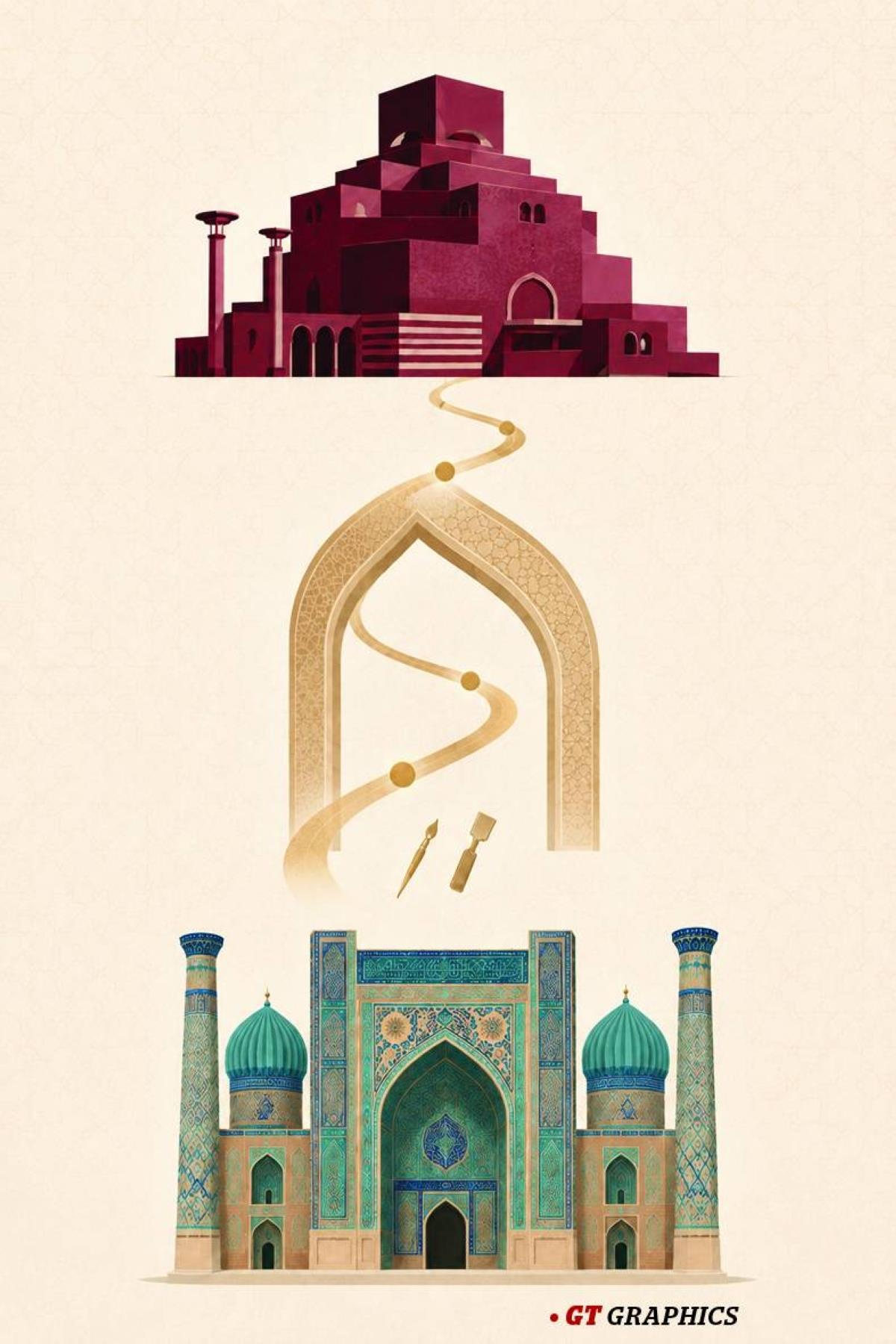
The timing is deliberate. The Museum of Islamic Art in Doha is currently showing Uzbekistan: Heritage in Motion, which runs until November 28, presented alongside Ektashif Uzbekistan, a display of original work made by Qatari artists during a recent trip through Tashkent, Samarkand and Bukhara - the ceramics, textiles and tilework of the old Silk Road cities read here through Qatari eyes.
The agreement builds on a run of bilateral projects. Uzbekistan took part in the inaugural Design Doha Biennial, and in late 2024 the Qatar Fund for Development pledged $4.175mn towards the restoration of the Bibi-Khanym Mosque complex in Samarkand, one of the great surviving monuments of the Timurid era and, for centuries, among the largest mosques in the Islamic world.
What the pact does, in effect, is convert a series of one-off gestures into a standing arrangement - with a five-year horizon, a shared research base and a pipeline of artists moving in both directions.

Legal Disclaimer:
MENAFN provides the
information “as is” without warranty of any kind. We do not accept any
responsibility or liability for the accuracy, content, images, videos,
licenses, completeness, legality, or reliability of the information
contained in this article. If you have any complaints or copyright issues
related to this article, kindly contact the provider above.
Comments
No comment