

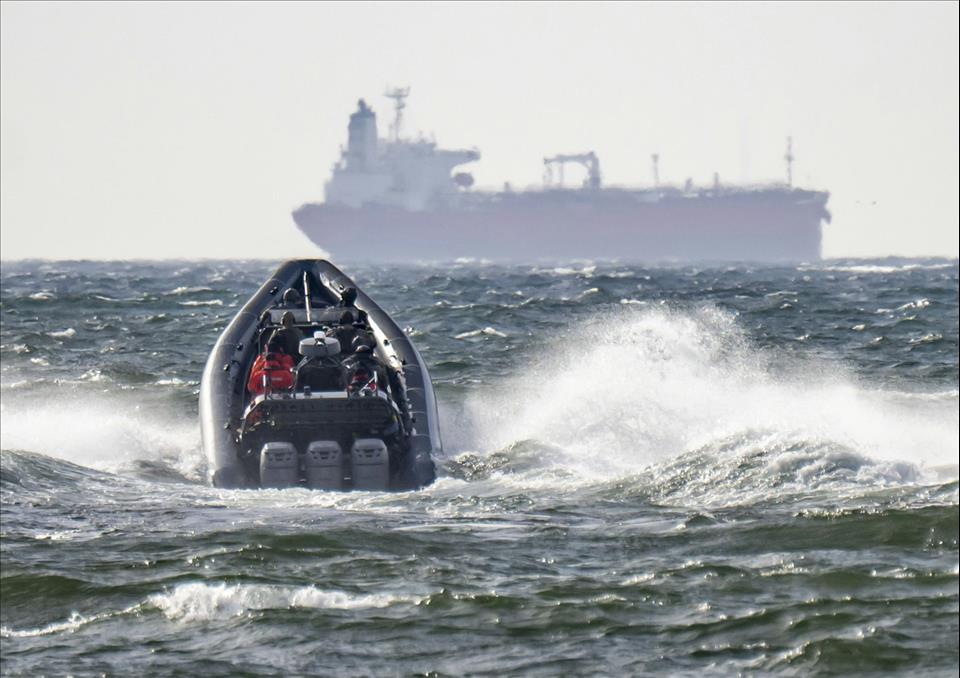
Inside The Booming 'Shadow Fleet' Industry Keeping Rogue States Afloat


It's the middle of the night in April 2023 in the East China Sea.
A North Korean-linked oil tanker sailing under another country's flag suddenly goes dark. It stops transmitting its location using the Automatic Identification System (AIS) machine that all large commercial ships have on board. It simply vanishes from the map.
Ten days later, the ship reappears on global tracking screens. Its signal places it off the coast of southern China.
Except it's not. It's actually in a bay many hundreds of kilometres away, preparing to deliver oil to North Korea in violation of UN sanctions.
Justin Hastings, a professor of international relations at the University of Sydney, has been tracking North Korea's shadow fleets as part of his research.
He describes to The Conversation Weekly podcast the tactics that North Korea uses to disguise the identities of its shadow ships – and why it has got away with it for so long.
Hastings compares the world's oceans to the“Wild West” and says other countries such as Russia and Iran have now borrowed from North Korea's playbook.
Disclosure statement and creditsJustin Hastings does not work for, consult, own shares in or receive funding from any company or organisation that would benefit from this article, and has disclosed no relevant affiliations beyond their academic appointment.
Newsclips in this episode from BBC News and The Wall Street Journal.
This episode of The Conversation Weekly was written Justin Bergman and produced by Isabella Podwinski. Mixing by Lloyd Barrett and theme music by Neeta Sarl.


Legal Disclaimer:
MENAFN provides the
information “as is” without warranty of any kind. We do not accept any
responsibility or liability for the accuracy, content, images, videos,
licenses, completeness, legality, or reliability of the information
contained in this article. If you have any complaints or copyright issues
related to this article, kindly contact the provider above.
Comments
No comment