

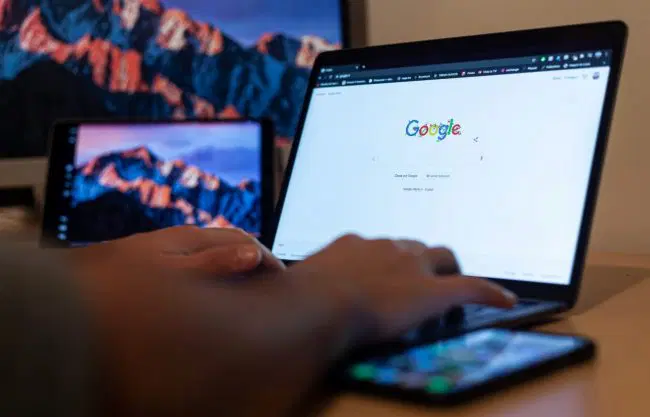
8 Bills You Should Never Pay Through The First Website You Find On Google


The issue isn't that every unfamiliar payment website is a scam. Some legitimate companies process payments for utilities, lenders, government agencies and other businesses. The problem comes when a consumer assumes the first search result must be the official payment page, enters sensitive information and doesn't realize who actually receives the payment, whether a fee applies or whether the site has anything to do with the company they intended to pay.
1. Electricity And Gas BillsUtility payments deserve extra caution because scammers can exploit the fear of losing essential services. Someone searching for a way to pay an electric or gas bill may encounter an advertisement that looks connected to the utility and promises a quick way to settle the balance. The FTC warns that scammers can impersonate utility companies and use pressure tactics to make people pay immediately, sometimes demanding payment through gift cards, cryptocurrency, wire transfers or payment apps. Those payment methods should stop the transaction in its tracks because legitimate utility companies don't require customers to use them to avoid an immediate shutoff.
Instead of searching for the utility every time, use the web address printed on an existing bill, the company's official app, or a bookmark created after independently verifying the site. If a payment page looks different from the one normally used, check the utility's main website before entering any account or card information. A few seconds of verification can turn a frantic payment into a routine one.
2. Water And Sewer BillsWater and sewer bills create a slightly different problem because the payment portal may belong to a local government, utility authority or outside payment processor. That means an unfamiliar domain isn't automatically evidence of a scam, but consumers shouldn't have to guess whether a company is authorized to collect their money. Start with the payment instructions printed on the bill or the official website of the city, county or water authority. If that government or utility website sends customers to another company to complete a payment, the connection is much easier to verify. Search results can make this confusing because a sponsored result may appear above the official government page and may use familiar words such as“water bill payment” in its advertising.
Check the actual domain before entering an account number, and compare the amount owed with the statement in hand. Also watch for unexpected convenience fees because a third-party processor may charge one even when the underlying bill does not. The goal isn't to avoid every outside payment processor, but to make sure the biller itself directs you to that processor.
3. Internet And Cable BillsInternet and cable accounts deserve another layer of caution because the payment isn't the only thing a fake website may try to steal. A convincing phishing page can imitate a provider's logo, colors and login screen while collecting a username and password before displaying a payment form. Those credentials can potentially give a scammer access to the customer's real account, where personal information, billing details and saved payment methods may be available. That makes the official app or a known website particularly useful for these accounts. Instead of following an unexpected email or text message, open the provider's app or enter the web address that has already been verified.
Look closely at the domain because a familiar company name inside the page itself doesn't prove anything about who operates it. If the site asks for more information than the normal payment process requires, stop and verify the page through the provider's main website. A fake payment page can look polished enough to fool someone who knows exactly what a legitimate provider's website looks like, so familiarity with the branding isn't enough.
4. Medical BillsMedical bills require a little more nuance because patients often encounter legitimate companies they don't recognize. A hospital, doctor's office or clinic may use a separate billing company or payment processor, so an unfamiliar website doesn't automatically mean someone is trying to steal money. The important question is whether the healthcare provider actually identifies that company as an authorized payment option.
Compare the provider's name, account number, balance and payment instructions with the statement before paying. If the bill directs you to a separate payment site, confirm that relationship through the provider's official website or patient portal rather than relying on a search advertisement. This step matters because a professional-looking logo is easy to copy, while an independently verified connection is much harder for an impersonator to fake. Be especially careful with payment requests that arrive unexpectedly by text or email, particularly if they create pressure to pay immediately. When something doesn't line up, contact the medical provider using the phone number on an existing statement and ask how the balance should be paid.
5. Car Loan PaymentsCar loan payments combine two things scammers like to exploit: a recurring financial obligation and the fear of serious consequences for falling behind. A borrower who receives a message saying a payment is overdue may immediately search for the lender and click whatever payment option appears first. That can lead to a fake portal, an unauthorized payment service or a legitimate third-party service that the borrower mistakenly believes belongs directly to the lender. The safest route starts with the lender information already sitting in the loan documents, previous statements or an established account bookmark. If the lender uses another company to process payments, verify that arrangement through the lender rather than through the payment company's advertising.
Before submitting money, check the recipient, account number, payment amount and any processing fee. Never allow an urgent message to override those checks, even if it claims the vehicle will be subject to immediate action. If there is genuine concern about a missed payment, contacting the lender through a known phone number or official account is safer than responding to an unexpected payment request.
6. Property Tax BillsProperty tax payments can involve enough money that a seemingly small mistake becomes an expensive one. Local governments may offer online payment portals themselves or contract with outside companies to process credit card or electronic payments, which means consumers should verify the relationship rather than assume every third-party site is fraudulent. The best starting point is the tax notice itself and the official website of the taxing authority. Navigate from that site to its payment instructions and look for the exact payment service it identifies. This matters because a search for a county tax-payment page can produce sponsored results that have nothing to do with the government office handling the bill.
Check the total amount before submitting the payment, especially if a separate processing fee appears at checkout. If the site claims you have an urgent tax problem that isn't reflected on your actual tax account or notice, stop and investigate before paying. Property taxes are too important to settle based on a search result that merely looks official.
7. Toll And Parking BillsToll and parking payment scams have another weapon that doesn't require a consumer to search at all: the unexpected text message. In April 2026, Consumer Reports documented warnings from transportation agencies around the country about fraudulent messages claiming recipients owed tolls or other transportation-related charges. These messages can include convincing logos, official-looking language and links designed to lead directly to a payment page. The combination works because a driver may not remember whether a toll was missed, making a small demanded payment seem easier to settle than investigate. Don't use the link in the message to determine whether you owe anything. Instead, open the toll authority's or parking agency's official website independently and check the account there. The same rule applies to emails and search results: verify the balance through the agency that supposedly issued the charge before providing payment information. An urgent deadline doesn't make an unverified bill more legitimate.
8. Student Loan And Debt PaymentsStudent loan and debt payments deserve careful verification because borrowers may receive communications from several companies over the life of an account. A legitimate servicer or creditor may also use outside payment processors, so the key is identifying exactly who currently manages the account and where that company directs customers to pay. Start with an existing statement or account rather than a search result triggered by an unexpected message. If a new company suddenly appears and claims to have taken over the account, independently contact the original lender or creditor and verify the change.
Be wary of websites that combine payment instructions with promises to erase debt, dramatically lower balances or provide an immediate solution to a financial problem. A payment page should explain where the money is going, not pressure you into handing over additional personal information for an unrelated service. Before paying, confirm the account number, creditor, amount and payment destination. Taking a few minutes to verify the account can be far less painful than trying to recover money sent to the wrong place.
What To Check Before You PayPaying a bill online should take only a few minutes, but rushing through an online bill payment can turn a routine task into an expensive mistake. Search engines can put legitimate companies alongside third-party payment services, lookalike websites and, in some cases, outright scams. The safest habit is simple: find the company first, then find its payment page, rather than assuming the first Google result is the right one.
Have you ever clicked the first payment result on Google without checking where it led, and what happened?
Legal Disclaimer:
MENAFN provides the
information “as is” without warranty of any kind. We do not accept any
responsibility or liability for the accuracy, content, images, videos,
licenses, completeness, legality, or reliability of the information
contained in this article. If you have any complaints or copyright issues
related to this article, kindly contact the provider above.
Comments
No comment