

7 Things Parents Should Stop Buying New Every School Year


Back-to-school shopping can make even a careful parent feel like their wallet has sprung a leak. In 2026, families with K-12 students are expected to spend an average of $863.86 on clothing, shoes, school supplies, and electronics, according to the National Retail Federation. But a new school year does not automatically mean everything your child owns needs to be replaced. Before filling your cart, take inventory of what still works and consider making“buy new only when necessary” your new back-to-school rule.
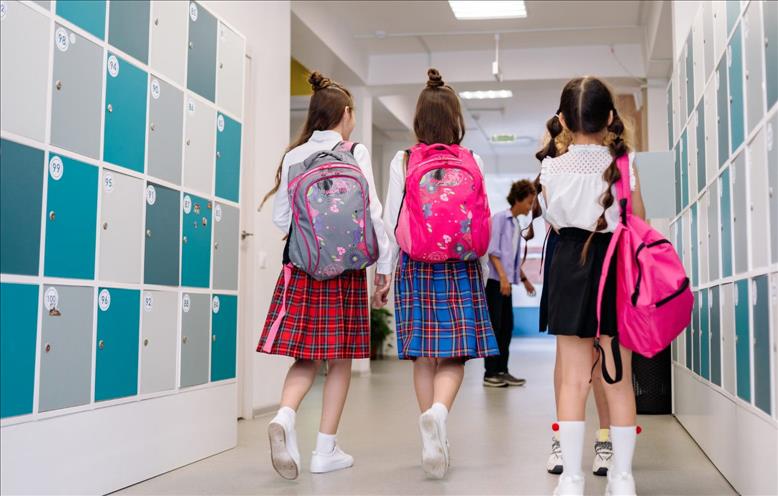
1. BackpacksA sturdy backpack can often survive several school years, particularly if the zippers, straps, and seams are still in good condition. Before buying a replacement, empty last year's bag, wash or wipe it according to its care instructions, and inspect the high-stress areas for damage. If your child complains that the backpack looks old, remember that appearance alone does not make it unusable. A backpack that comfortably holds school supplies and fits properly can continue doing its job for another year. Reusing it can also teach children that“new” and“necessary” are not the same thing.
2. Lunch Boxes And Reusable ContainersParents do not necessarily need to replace lunch boxes and reusable food containers every August simply because a new school year begins. If the lunch bag can be thoroughly cleaned and the containers remain intact, there may be plenty of life left in them. Check for cracked plastic, broken seals, damaged insulation or lingering odors that cleaning cannot remove before deciding. The same principle applies to reusable water bottles, which can be kept when they remain safe, functional, and easy to clean. Reusing these everyday items can reduce both shopping costs and household waste.
3. Binders And FoldersBinders are another classic example of something parents may replace unnecessarily. If a binder still closes securely, holds paper properly, and has functioning rings, it may only need a quick cleaning before returning to school. Folders can also be reused when they are not torn, excessively bent or covered with old information that could cause confusion. Instead of buying a complete new set, let your child identify which supplies are genuinely worn out. This small inventory can turn last year's leftovers into instant savings.
4. Basic School SuppliesPens, pencils, rulers, scissors, pencil cases, and other basic supplies do not magically expire when summer vacation begins. The Environmental Protection Agency recommends checking existing school materials before shopping because many supplies can be reused or recycled. A quick household“school supply sweep” might uncover unopened notebooks, several perfectly good pencils, and enough folders to eliminate part of the shopping list. Even small savings matter when you are buying for multiple children, especially as some school supplies have become more expensive. Forbes Advisor recently reported increases in items including notebooks, index cards, notebook paper, and scissors.
5. Clothes That Still FitA new grade level does not require an entirely new wardrobe if last year's clothes still fit and remain wearable. Start by pulling everything from closets and drawers, then separate items into keep, repair, donate, and replace piles. A child who needs three new shirts does not necessarily need ten, particularly when clean, comfortable clothes already exist at home. This approach also creates an opportunity to buy better-quality replacement pieces rather than rushing into a large shopping spree. If children have outgrown clothing, donating usable pieces or passing them to younger siblings can extend their value instead of sending them straight to the trash.
6. Shoes That Aren't Worn OutShoes deserve a little more scrutiny than shirts because worn soles, poor fit, or damaged support can affect comfort and safety. However, if last year's shoes still fit properly, have adequate tread, and show no significant structural damage, there may be no reason to replace them simply because school is starting. Have your child try them on with the socks they normally wear and check for tightness around the toes and heel. Children can grow quickly, so this is one category where replacing an item because it no longer fits is completely reasonable. The goal is not to avoid spending money at all, but to spend it where the need is real.
7. Electronics That Still WorkA new school year can create pressure to upgrade headphones, tablets, calculators, or computers, but functioning technology does not automatically become obsolete in September. First, check the school's actual requirements and whether the device your child already owns meets them. If the battery, software, storage, and physical condition remain adequate, an upgrade may simply be an expensive want rather than a school necessity. This matters because electronics are one of the biggest K-12 back-to-school spending categories, with the NRF estimating $293.11 per shopper in 2026. Spending that money only when an actual need exists can leave more room in the family budget for unavoidable expenses.
Make“Use What You Have” The New Back-To-School HabitThe smartest back-to-school shopping strategy may be surprisingly simple: shop your home before shopping the store. NerdWallet's 2026 survey found that 62% of back-to-school shoppers planned to shop sales, while 21% planned to seek free school supplies and 19% planned to buy at least some clothing secondhand. Reusing what you already own does not mean your child has to miss out; it means distinguishing between something that needs replacing and something that merely feels new. Before buying, make three lists: what you already have, what needs replacing and what can wait until later.
Which school item do you plan to reuse this year, and what money-saving strategy has worked best for your family? Share your thoughts in the comments.

Legal Disclaimer:
MENAFN provides the
information “as is” without warranty of any kind. We do not accept any
responsibility or liability for the accuracy, content, images, videos,
licenses, completeness, legality, or reliability of the information
contained in this article. If you have any complaints or copyright issues
related to this article, kindly contact the provider above.
Comments
No comment