

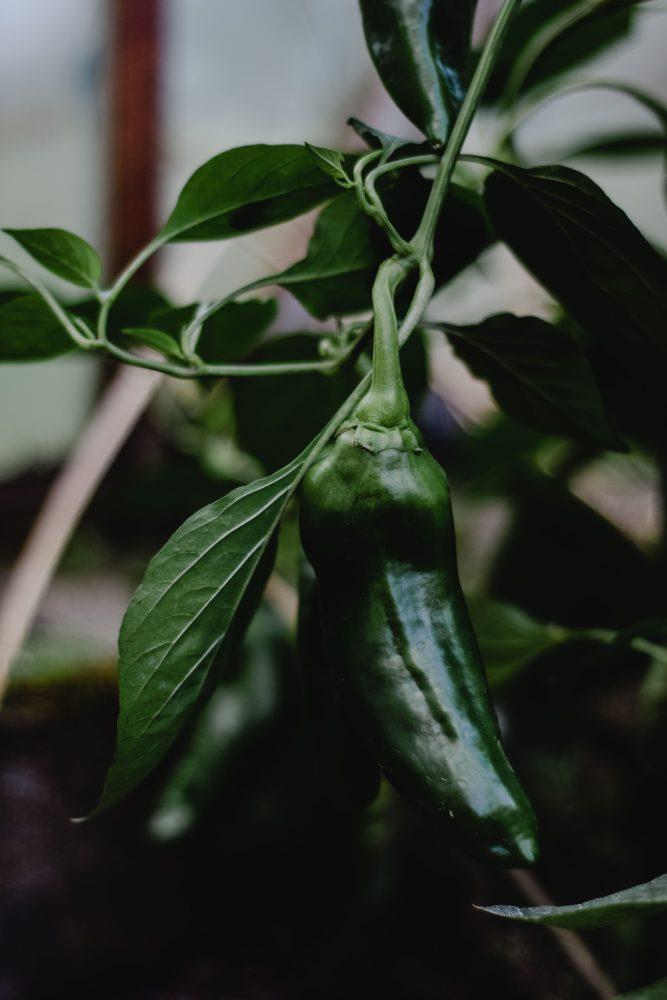
8 Grocery Chains Affected By This Summer's Jalapeño Salmonella Recall


What started as a localized food safety investigation into Mexican-style fast-food chains quickly expanded into a massive multi-state recall affecting supermarket shelves nationwide. Federal health agencies traced a growing Salmonella Javiana outbreak back to contaminated fresh jalapeño peppers imported from Sinaloa, Mexico, and distributed by Coast Citrus Distributors. While restaurant chains managed the initial wave by pulling fresh ingredients from their service lines, downstream commercial food processors distributed contaminated produce deep into major retail grocery networks. Prepared items like fresh salsas, handmade guacamole, spicy dips, deli wraps, and ready-to-eat meal bowls suddenly became hidden vectors for foodborne illness across retail stores.
Shoppers who regularly rely on pre-chopped vegetables and grab-and-go deli sections found themselves frantically checking expiration dates and UPCs on household items. Because these convenience foods typically feature short shelf lives, many affected products were already tucked away in refrigerator crisper drawers long before public warnings went live. The broad, interconnected scope of modern agricultural distribution meant that regional grocers and big-box giants alike had to scramble to quarantine infected batches and alert the public. Understanding which major retail chains were impacted helps clarify how deeply a single international agricultural contamination can ripple through the national food supply.
Major Supermarket Chains Caught in the NetProminent grocery chains and major national retailers were directly impacted by downstream recalls of prepared foods and fresh produce containing the tainted jalapeños. Walmart stores across multiple states pulled popular house brand items, including fresh hot and mild pico de gallo alongside pre-packaged southwestern style chicken salads. Kroger and its extensive network of regional grocery banners faced localized product withdrawals involving deli wraps and spicy specialty dips distributed across Midwestern and southern states. Whole Foods Market initiated a wide-reaching voluntary recall for select in-house salsas, fresh guacamole, pico de gallo, and deli prepared foods containing the suspect peppers across a dozen states.
Target locations in Florida, Ohio, and Texas pulled popular convenience items like taco dips and mango pico de gallo from their refrigerated display cases. Albertsons, Randalls, and Tom Thumb pulled several branded ready-to-eat meal bowls and wraps across southern distribution hubs, including popular beef barbacoa and chile lime chicken options. Trader Joe's addressed a specific regional line of prepared salad items distributed in Texas, while Hannaford encountered northeastern recalls affecting pre-diced fresh jalapeños, packaged burritos, and specialty tortillas. Finally, Costco handled the removal of raw, loose jalapeños sourced through secondary suppliers that reached select club store locations before health officials halted distribution.
Navigating Downstream Supply Chains and ProcessingThe complex journey of these contaminated peppers highlights the extreme vulnerability of modern food manufacturing networks. When an importer brings massive bulk quantities of fresh produce across the border, those ingredients rarely go straight to a single storefront. Instead, wholesale distributors break down the shipments and sell them to secondary food processors, who dice, slice, and blend the peppers into branded and private-label consumer goods. Major agricultural processors like Taylor Fresh Foods and NatureBest Precut received shipments tied to the implicated Sinaloa grower, unknowingly incorporating the contaminated peppers into complex commercial recipes.
This multi-tiered processing structure explains why a single agricultural failure at a foreign farm can suddenly trigger recalls across eight entirely different retail brands. By the time laboratory testing confirms the presence of Salmonella Javiana, the infected food products have already cleared distribution centers and settled onto grocery shelves miles away. Regulatory agencies rely heavily on rapid traceback data and corporate inventory logs to untangle these webs, but the process inherently leaves a window of exposure for unsuspecting shoppers.
Identifying Symptoms and Protecting Your KitchenSalmonella infection can trigger severe gastrointestinal distress, including acute abdominal cramps, watery diarrhea, and sustained fevers beginning anywhere from six hours to six days after consumption. Young children, elderly shoppers, and anyone with compromised immune systems face a much higher risk of developing severe complications requiring hospitalization. If you suspect you purchased any fresh salsa, deli dips, or prepared meals containing jalapeños during the peak summer distribution window, check your refrigerator immediately. Discard the items entirely or return the unused product to your local grocery store customer service desk for a full refund. Staying vigilant during large-scale produce recalls remains the most effective defense against foodborne illness.
The Long-Term Impact on Food Safety ProtocolsAs public health officials continue to investigate the full scope of the outbreak, the incident has reignited intense conversations about border inspection standards and supplier accountability. Retailers and food processors are facing mounting pressure to implement more rigorous blockchain-based tracing systems that can track a single lot of produce from foreign soil to the grocery shelf in seconds. For everyday consumers, the ordeal serves as a stark reminder that even fresh, healthy produce aisles require constant regulatory oversight. Monitoring official health advisories and understanding how to check kitchen inventory for recalled goods will remain vital skills for protecting household health as global food supply chains continue to evolve.
What steps do you usually take to check your household groceries when a major multi-state food recall is announced?
What To Read NextThe Jalapeño Salmonella Outbreak Has Reached 32 States - Check These Foods in Your Fridge
Nearly 19 Million Eggs Recalled as FDA Warns of Potentially Deadly Salmonella Risk
Oma's Pride Recalls Raw Dog Food After Salmonella Found, 3 Illnesses Reported
Walmart Recalls Bettergoods Pistachio Nut Butter in 19 States Over Salmonella Risk
Nationwide Cantaloupe Recall What Shoppers Need to Know About Salmonella

Legal Disclaimer:
MENAFN provides the
information “as is” without warranty of any kind. We do not accept any
responsibility or liability for the accuracy, content, images, videos,
licenses, completeness, legality, or reliability of the information
contained in this article. If you have any complaints or copyright issues
related to this article, kindly contact the provider above.
Comments
No comment