

The Restaurant Landscape Is Shifting: Which Major Chains Are Shrinking Their Footprints?


Walking past a boarded-up restaurant space or seeing a familiar favorite chain shutter its doors forever has become a common sight. Across the country, major dining brands are rapidly scaling back their physical footprints to stay afloat. Industry analysts point to a combination of soaring operating costs, shifting consumer habits, and financial restructuring as primary drivers. Diners are noticing fewer options in their local neighborhoods as corporate boards make tough strategic choices. Understanding these closures reveals a broader transformation happening across the American food service sector.
The emotional impact of losing a neighborhood staple can be deeply felt by long-time regular customers. Families who celebrated birthdays and milestones at these casual dining establishments suddenly find their favorite spots replaced by empty commercial real estate. Corporate executives face immense pressure from investors to cut operational fat and eliminate unprofitable leases immediately. This intense economic reality overrides sentimental attachment to historic store locations. The modern dining market punishes inefficiency with merciless speed and finality.
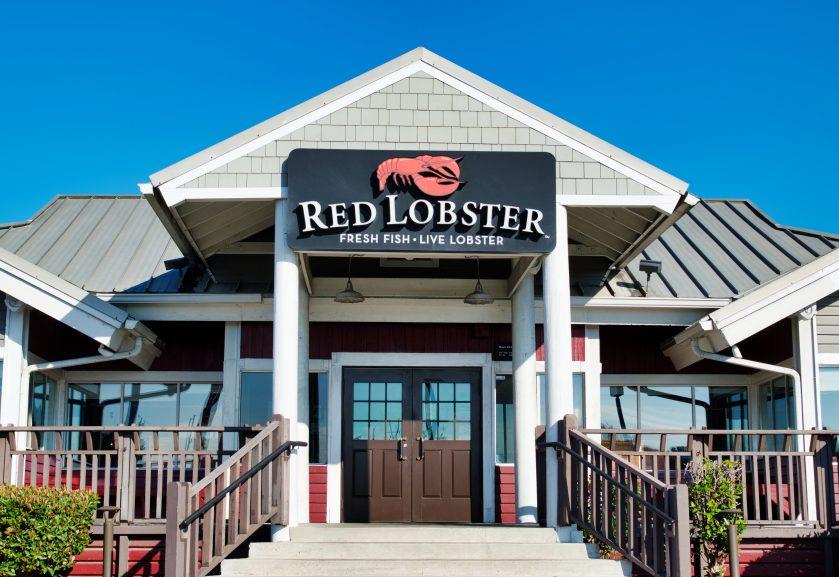
Red Lobster Continues Its Strategic ShrinkageThe iconic seafood chain Red Lobster remains locked in a massive downsizing effort following its financial restructuring. After filing for Chapter 11 bankruptcy, the company slashed its restaurant count from over seven hundred down to roughly 540 locations. Corporate leadership openly admits that the brand must become smaller to survive in a challenging economic climate. Historic outposts, including its 56-year-old Tallahassee restaurant and its prominent Times Square branch, recently closed their doors permanently. These high-profile shutdowns signal that no legacy location is entirely safe from corporate cost-cutting measures.
The roots of this massive contraction trace back years, heavily compounded by miscalculated marketing promotions that drove millions in operational losses. Management is now betting heavily on streamlined menus and careful operational changes to engineer a sustainable corporate comeback. However, losing dozens of neighborhood favorites leaves loyal seafood lovers with fewer dining choices in their local communities. The ongoing shrinkage serves as a stark reminder of how quickly financial margins can unravel in casual dining. Each successive wave of store closures trims away more of the brand's historic national presence.
Buffalo Wild Wings Trims Underperforming SpotsAnother household name reducing its physical presence is the nation's largest sports bar chain, Buffalo Wild Wings. Owned by Inspire Brands, the massive enterprise still operates over a thousand restaurants nationwide despite recent cutbacks. Recent closures span multiple states, including Michigan, Virginia, Illinois, California, Georgia, and Kansas. Company representatives emphasize that these strategic shutdowns target specific underperforming properties rather than indicating a total retreat from regional markets.
Shifting consumer preferences and rising commercial lease expenses have forced many sports bars to rethink their massive square-footage models. Corporate strategies now lean toward smaller, takeout-friendly formats and increased franchise reliance to capture changing customer habits. Fans of the brand may find their local game-day hangout missing, but the overarching corporate footprint remains vast. Evaluating these individual closures highlights how even dominant market players must adapt to modern overhead pressures. Sports entertainment dining requires constant innovation to keep booths filled on non-game nights.
What Drives the Ongoing Restaurant Contraction?The wave of restaurant closures sweeping across the nation goes far beyond simple economic downturns or temporary supply chain hiccups. Rising minimum wages, high commercial real estate rents, and inflated food commodity expenses squeeze corporate profit margins relentlessly. At the same time, consumers dining out less frequently demand higher value and better food quality for their hard-earned dollars. When a casual meal starts rivaling the cost of fine dining, customer traffic drops off sharply. Restaurants failing to balance these financial pressures inevitably face the difficult choice of closing doors.
Labor shortages and increased staffing expenses further complicate the daily operational realities for restaurant managers across every major market. Maintaining a fully staffed kitchen and dining room requires competitive wages that eat heavily into daily profits. Supply chain volatility adds another layer of financial stress when ingredient costs fluctuate wildly from month to month. Corporate accountants must evaluate every single store location through a strict lens of profitability and projected future growth. Emotional attachment to a struggling store is a luxury that modern restaurant conglomerates simply cannot afford.
Looking Ahead at the Dining EconomyNavigating the modern restaurant industry requires both brands and consumers to adapt to a rapidly changing economic reality. Legacy chains must reinvent their value propositions to win back everyday diners who grew tired of steep price hikes. Meanwhile, conscious consumers are carefully evaluating where they spend their entertainment and dining budgets each month. Keeping an eye on these industry shifts helps explain why your favorite neighborhood dining spots might be changing. The American restaurant scene is undergoing a permanent evolution that prioritizes efficiency above all else.
The future of casual dining likely rests on smaller footprints, enhanced digital ordering integration, and hyper-focused menu offerings. Brands that successfully pivot toward these agile operational models will weather the economic storm much better than rigid traditionalists. Diners will continue supporting establishments that offer genuine value, exceptional hospitality, and consistent food quality. Understanding these industry dynamics helps you navigate the evolving culinary landscape with clarity and confidence. The dinner table of tomorrow will look remarkably different from the one we grew up with.
What is your favorite local restaurant or national chain that you miss visiting the most?
What To Read NextWhy Restaurant Fried Chicken Tastes Better Than Yours - 7 Steps That Make the Difference
Do You Really Need to Tip When Picking Up Takeout? Restaurant Workers Weigh In
7 Chain Restaurant Steaks That May Not Be Worth the Money
Why Restaurant Meals Are Rising Faster Than Groceries in 2026
7 Familiar Restaurant Chains Closing Locations in 2026

Legal Disclaimer:
MENAFN provides the
information “as is” without warranty of any kind. We do not accept any
responsibility or liability for the accuracy, content, images, videos,
licenses, completeness, legality, or reliability of the information
contained in this article. If you have any complaints or copyright issues
related to this article, kindly contact the provider above.
Comments
No comment