

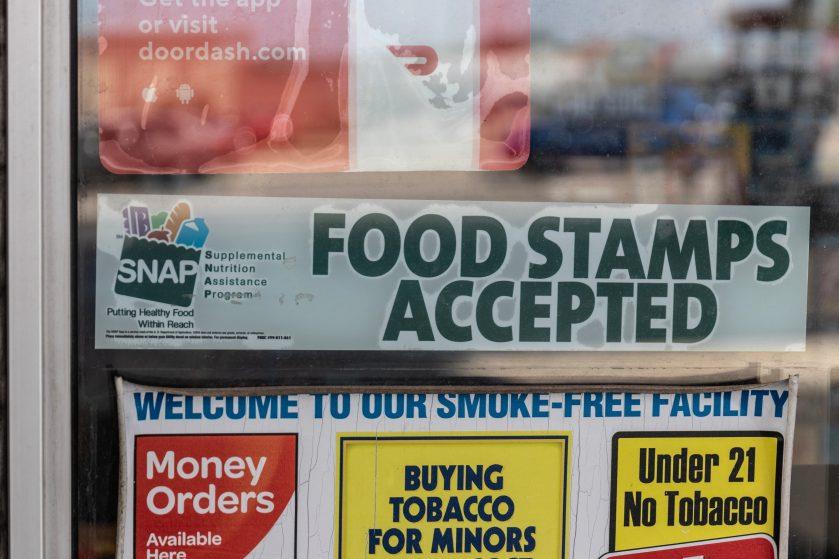
9 SNAP Rules That Could Change What Households Receive This Fall


As the federal fiscal year turns and administrative shifts roll out across the country, the Supplemental Nutrition Assistance Program is experiencing some of its most substantial policy updates in years. Designed to tighten spending, streamline program integrity, and enforce stricter compliance, these modifications directly impact how low-income households qualify for and calculate their monthly food assistance. Understanding these structural shifts is essential for participants looking to avoid unexpected benefit reductions or compliance hurdles as the seasons change.
1. Expanded Work Requirements for Older AdultsFederal guidelines have officially broadened the age bracket for able-bodied adults without dependents subject to mandatory work rules. Previously capped at age 54, the requirement now extends to adults up to age 64. Non-disabled recipients in this older demographic must work, participate in a training program, or perform approved community service for at least twenty hours per week to maintain eligibility beyond the standard three-month limit.
2. Stricter Rules for Parents With Older DependentsThe exemption threshold shielding parents from mandatory work requirements has also been lowered. Under updated criteria, parents whose youngest dependent child has turned 14 must now meet standard work or training requirements. While children retain their individual benefit allocations regardless of a parent's compliance, non-compliant adults face disqualification, which directly reduces the household's overall monthly disbursement.
3. Overhaul of Standard Utility AllowancesChanges to how states calculate utility deductions mean that hundreds of households will see adjustments to their monthly shelter deductions. Federal shifts restrict access to certain high-tier heating and cooling standard utility allowances for specific non-elderly, non-disabled households. Many recipients are now required to submit actual out-of-pocket utility bills rather than relying on generalized regional estimates, which can lower calculated deductions and decrease monthly food aid.
4. Adjusted Gross and Net Income LimitsAnnual cost-of-living updates have slightly altered the federal poverty guidelines used to determine financial eligibility. While gross and net monthly income limits increased marginally to account for broader economic inflation, households sitting right on the eligibility threshold must review their current earnings carefully. Even small wage increases or changes in household composition can push earnings past the newly adjusted caps.
5. Modifications to Immigrant Eligibility StandardsRevised federal eligibility frameworks restrict program access for specific non-citizen categories. Lawful permanent residents must now demonstrate specific legal residency timelines to qualify for assistance, while several other non-citizen categories face narrowed pathways. State agencies have been tasked with auditing active rosters to ensure compliance with these tighter statutory definitions.
6. Caps on Thrifty Food Plan AdjustmentsTo help constrain long-term federal spending, adjustments to the Thrifty Food Plan-the nutritional baseline used to calculate maximum food stamp allotments-face stricter legislative controls. Future benefit escalations are tightly managed to prevent rapid expansion outside of standard annual cost-of-living windows, meaning food assistance may grow more slowly during periods of high inflation.
7. Heightened Verification and Error Rate ScrutinyState and county administrative offices are facing intense pressure from federal overseers to reduce payment error rates. Caseworkers are requesting deeper documentation during recertifications, demanding thorough verification of income, shelter expenses, and liquid assets. This tighter oversight aims to catch overpayments but often results in longer processing times and strict demands for paperwork.
8. State-Level Pilot Restrictions on Qualifying FoodsA growing number of states have begun rolling out targeted nutritional restrictions, prohibiting the use of SNAP benefits for specific items deemed to have little nutritional value, such as certain soft drinks, candy, and processed snacks. While foundational staples like fresh produce, meat, and dairy remain fully covered, shopping routines require closer attention to approved product lists in participating regions.
9. Stricter Enforcement of Reporting WindowsWith administrative oversight at an all-time high, state agencies are cracking down on mandatory reporting timelines. Households experiencing changes in income, employment status, or housing costs must report these shifts within tightly defined windows. Failing to update caseworkers promptly can trigger immediate benefit adjustments, overpayment penalties, or temporary freezes on monthly deposits.
Navigating the Complex Realities of Program ReductionsThe convergence of stricter work mandates, tighter utility calculations, and localized product restrictions marks a significant turning point for public assistance administration nationwide. For vulnerable populations relying on these monthly funds to bridge the gap between paychecks and pantry shelves, staying informed is no longer optional. Community advocacy groups and legal aid networks are increasingly stepping in to help recipients navigate complex recertification paperwork and prevent wrongful benefit terminations.
Staying Prepared Amid Regulatory ShiftsNavigating the complex landscape of shifting food assistance rules requires constant vigilance from participants and local support networks alike. Keeping your caseworker informed of any household or income changes helps prevent unexpected disruptions in your monthly grocery budget. Reviewing official state portal notifications ensures your household stays compliant with every new mandate as it rolls out.
What strategies do you find most helpful for keeping track of changing benefit rules and paperwork deadlines?
What To Read Next5.6 Million Fewer Americans Are Receiving SNAP - Here's Where Enrollment Fell Most
USDA Extends Comment Deadline on Plan to Cut Federal Share of SNAP Administrative Costs
SNAP Online Shopping Costs That Benefits May Not Cover
USDA Reports 10.62% SNAP Payment Error Rate for FY 2025, Triggering New Financial Penalties for States
SNAP Can Buy More Than You Think: 10 Eligible Grocery Items People Often Overlook

Legal Disclaimer:
MENAFN provides the
information “as is” without warranty of any kind. We do not accept any
responsibility or liability for the accuracy, content, images, videos,
licenses, completeness, legality, or reliability of the information
contained in this article. If you have any complaints or copyright issues
related to this article, kindly contact the provider above.
Comments
No comment