

Mold Exposure And Health: Experts Connect What Is Happening In The Home With What May Be Happening In The Body


- Indoor mold growth often begins with moisture, making the building and potential exposure sources an important part of investigating a mold concern Environmental inspection and testing can help characterize conditions in a home, while medical evaluation addresses the health of the individual Mold exposure is associated with established allergic, respiratory and irritant effects, and individual responses can vary based on exposure and susceptibility Addressing an ongoing environmental source is a foundational step before determining what additional medical support may be appropriate
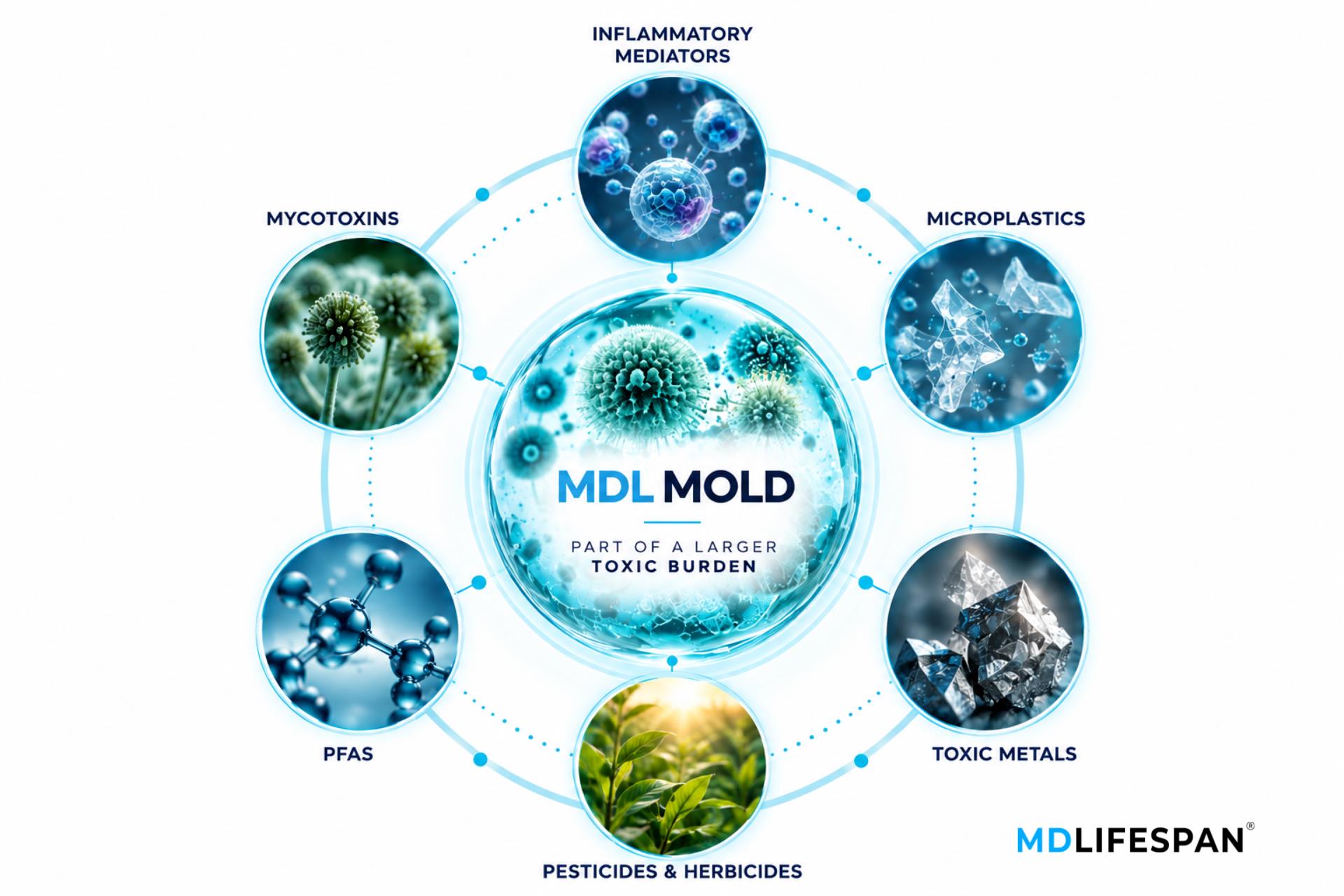
CHICAGO, Sept. 03, 2026 (GLOBE NEWSWIRE) -- When people suspect mold in their home may be affecting their health, understanding the problem can require looking at both the building and the individual.
Moisture, water damage, building history, environmental inspection, and testing can provide information about potential sources and exposure pathways. Medical evaluation considers symptoms, exposure history, individual susceptibility, and other possible causes.
A new learning series launched by MDLifespan
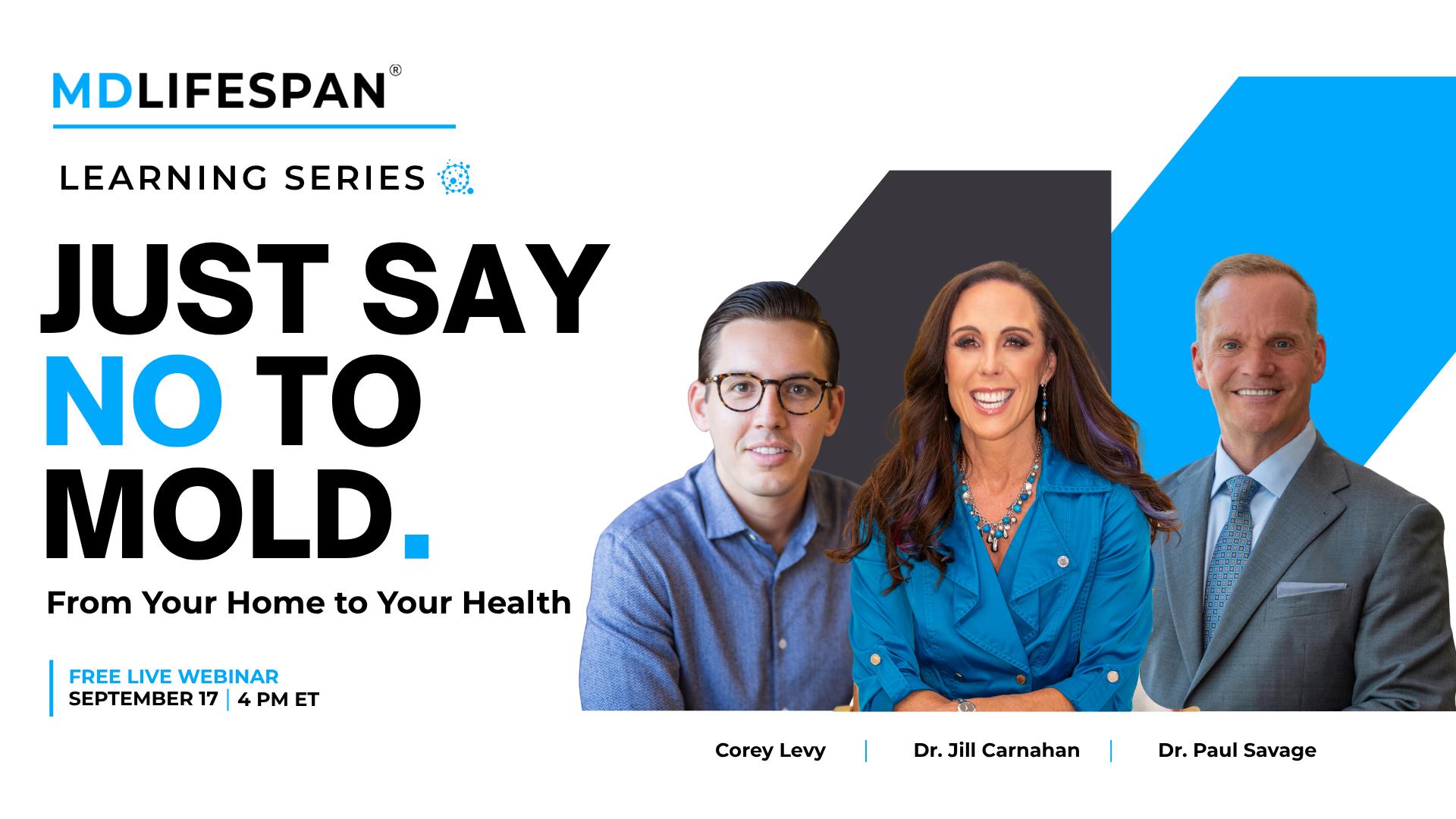
The topic will be explored further during Just Say No to Mold: From Your Home to Your Health Thursday, September 17, 2026, at 4 p.m. ET / 3 p.m. CT / 2 p.m. MT.The event brings together Corey Levy, CMI, CIE, Co-Founder of We Inspect and The Dust Test; Jill Carnahan, MD, founder and Medical Director of Flatiron Functional Medicine and Medical Advisor to MDLifespan; and Paul Savage, MD, founder and CEO of MDLifespan.
All registered guests will receive on-demand access to the webinar as well as a digital copy of the Avoiding Toxins book written by Dr. Savage and experts including Dr. Carnahan.
Key Facts
- Indoor mold growth requires moisture. Leaks, flooding, persistent humidity, and other water problems can create conditions that allow mold to grow. Environmental evaluation can help identify potential sources. Building history, inspection, moisture assessment and appropriate testing can provide information about conditions in a property and potential exposure pathways. Mold and mycotoxins are different. Molds are fungi, while mycotoxins are naturally occurring compounds that certain molds can produce under particular conditions. Mold exposure is associated with allergic, respiratory, and irritant effects. Individual responses can vary, and broader symptoms require appropriate medical evaluation. Environmental and medical evaluation answer different questions. Information from the building and the individual can provide useful context when investigating a possible exposure.
Finding: Environmental Evaluation Can Help Identify Potential Mold Sources
Indoor mold growth is closely connected to moisture. Water intrusion, leaks, flooding and other moisture problems can create conditions that allow mold to develop, including in areas where the problem may not be immediately visible.
Understanding a potential exposure can therefore begin with the building.
An environmental investigation may consider property history, previous water events, moisture conditions, visible growth, odors, HVAC concerns and other characteristics. Inspection and environmental testing can provide additional information based on the property and the questions being investigated.
Environmental findings can help identify potential mold sources and exposure pathways. They can also provide useful context for decisions about the property and questions to discuss with healthcare professionals.
Corey Levy, CMI, CIE, Co-Founder of We Inspect and The Dust Test, said,“People often focus on what is happening inside the body without first understanding what may still be happening in their environment. Looking at the building, potential exposure pathways and the health context together can provide a far more comprehensive picture.”
During the September 17 webinar, Levy will discuss how mold problems can be overlooked, the role of inspection and environmental testing, and how findings from a home can contribute to a broader investigation of potential exposure.
Finding: Exposure and Individual Susceptibility Both Influence the Health Conversation
Established health effects associated with mold and damp indoor environments include allergic reactions, irritation and respiratory effects. Mold exposure may also trigger asthma attacks in susceptible people with mold allergies.
People investigating possible environmental exposures may report other symptoms, including fatigue, headaches, difficulty concentrating, dizziness or sleep changes. These symptoms have many potential causes, so their presence alone cannot identify mold as the cause.
Exposure history can provide additional context.
One question Carnahan encourages people to consider is:
Do you feel worse in a particular building and better when you leave?
A consistent pattern may provide useful information to discuss during an environmental investigation and medical evaluation.
Carnahan describes the relationship between exposure and the individual as:
Exposure × Host Susceptibility = Clinical Expression
Jill Carnahan, MD, founder and Medical Director of Flatiron Functional Medicine and Medical Advisor to MDLifespan, said,“Mold-related illness can be complex because identifying the environmental source is only one part of the picture. Education is critical so people can better understand exposure, reduce what they can control and have more informed conversations with their healthcare providers about what may be happening in their bodies.”
During the webinar, Carnahan will discuss symptoms, susceptibility, clinical evaluation and her personal experience with a water-damaged environment.
Finding: Addressing the Environment Comes Before Considering Additional Physician-Led Options
When an ongoing mold or moisture problem is identified, correcting the environmental source and reducing continued exposure are important first steps.
For someone experiencing health concerns, a healthcare professional can evaluate symptoms, medical history and possible exposures and determine whether additional evaluation or support is appropriate.
Physician-led approaches may include nutritional support, binders and other supportive strategies when medically appropriate.
MDLifespan also uses Advanced Serial Therapeutic Plasma Exchange, or Advanced Serial TPE, within physician-directed protocols focused on circulating environmental toxicants and targeted biomarkers.
Carnahan collaborated with MDLifespan on Dr. Jill's MDLifespan Mold Protocol, a physician-directed approach that incorporates Advanced Serial TPE alongside exposure reduction, appropriate testing, nutritional support, binders and other supportive measures based on the individual.
Paul Savage, MD, founder and CEO of MDLifespan, said,“Mold is a perfect example of why we have to think about both exposure and what is circulating in the body. The first goal should be understanding and reducing the source of exposure. From there, we can use testing and biomarkers to better understand the individual and determine what options, if any, should be considered.”
Carnahan and Savage will discuss physician-led options and the Mold Protocol in greater detail during the live event.
Questions and Answers About Mold Exposure and Health
Question: What should you do if you think mold in your home is affecting your health?
Answer: Investigate the environment and seek appropriate medical evaluation for health concerns. Building history, moisture assessment, inspection and environmental testing can help identify potential sources and exposure pathways. A healthcare professional can evaluate symptoms, exposure history and other possible causes. When an ongoing environmental source is identified, correcting the moisture problem and reducing continued exposure are important steps.
Question: What can environmental mold testing tell you?
Answer: Environmental testing can provide information about conditions in a building when used to investigate specific questions about the property. Results can be considered alongside building history, inspection findings, moisture conditions and other environmental information.
Question: What is the difference between mold and mycotoxins?
Answer: Mold is a fungus. Mycotoxins are naturally occurring compounds that certain molds can produce under particular environmental conditions.
Question: Can findings from your home help provide context for findings from your body?
Answer: Environmental and clinical information provide different types of information about a possible exposure. Environmental findings can help characterize the building and potential sources, while medical evaluation assesses the individual. How those pieces can be considered together will be explored by Levy and Carnahan during the September 17 webinar.
Question: Why can people in the same home respond differently to mold exposure?
Answer: Exposure intensity and duration can differ, and individual susceptibility varies. Asthma, allergies, immune status, respiratory health and other individual factors may influence how someone responds to a damp or moldy environment.
Question: What should happen first when a mold problem is identified?
Answer: Identify and correct the moisture source, address affected areas appropriately and reduce continued exposure. Medical concerns can be evaluated individually to determine what additional steps may be appropriate.
Question: Where does Advanced Serial Therapeutic Plasma Exchange fit?
Answer: TPE has established medical applications for specific diseases and clinical conditions. MDLifespan uses Advanced Serial TPE within physician-directed protocols involving circulating environmental toxicants and targeted biomarkers. Carnahan and Savage will discuss the potential role of Advanced Serial TPE within MDLifespan's Mold Protocol during the webinar.
Ask the Experts: From Your Home to Your Health
MDLifespan's free Just Say No to Mold Thursday, September 17, 2026, at 4 p.m. ET / 3 p.m. CT / 2 p.m. MT.
The discussion will follow the mold story from the home to the body to physician-led options.
Corey Levy, CMI, CIE, will discuss mold in the home, environmental inspection and testing, and potential exposure pathways.
Jill Carnahan, MD, will discuss mold and mycotoxins, symptoms, individual susceptibility, clinical evaluation, and her personal experience with a water-damaged environment.
Paul Savage, MD, will discuss circulating environmental toxicants, Advanced Serial TPE and physician-led options.
The panel will go deeper into environmental testing, the relationship between findings from the home and body, clinical evaluation, sequencing and Dr. Jill's MDLifespan Mold Protocol.
Participants can submit questions in advance, and the webinar will conclude with a live audience Q&A. An on-demand replay will be available to registrants.
Register for Just Say No to Mold and submit your question.About MDLifespan
MDLifespan is a physician-led medical technology startup and certified Public Benefit Corporation delivering advanced detox and regenerative medicine solutions through Advanced Therapeutic Plasma Exchange (TPE). Founded by Dr. Paul Savage, MDLifespan is the first nationwide medical group focused on removing environmental toxins and reversing chronic inflammation using clinically validated, personalized protocols.
Media contact:
Jessica Rafaeil
...
Photos accompanying this announcement are available at


Legal Disclaimer:
MENAFN provides the
information “as is” without warranty of any kind. We do not accept any
responsibility or liability for the accuracy, content, images, videos,
licenses, completeness, legality, or reliability of the information
contained in this article. If you have any complaints or copyright issues
related to this article, kindly contact the provider above.
Comments
No comment