

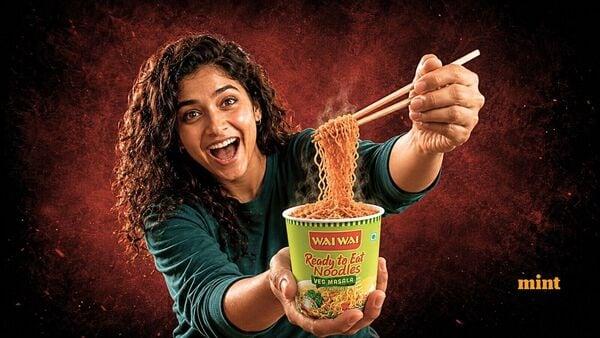
Wai Wai Noodles Banned In India? Here's What We Know As FSSAI Takes Action Over 'Unhygienic Practice'


The Food Safety and Standards Authority of India (FSSAI) inspected the factory in Roopangarh, Ajmer. Officials were checking whether manufacturing practices and hygiene conditions followed food safety requirements. Their findings covered unsafe processing, missing manufacturing licences and problems with packaging dates.
Also Read | Fake labels, real concerns: Canada assesses risks after Mumbai warehouse raidAccording to FSSAI, the unit reprocessed broken noodles collected from the floor and turned them into bhujia. Inspectors specifically noted that this material was reused without heat treatment. This unhygienic practice was a central reason behind the enforcement action against the factory.
Quick answers to key questions
.5 QUESTIONS1Why were certain Wai Wai products banned in India?⌵Certain Wai Wai products were banned due to unhygienic practices, including the reuse of broken noodles collected from the floor without heat treatment, as found during an inspection by the FSSAI.
2What inspections did the FSSAI conduct at the Wai Wai factory in Rajasthan?⌵The FSSAI inspected the Wai Wai factory for compliance with food safety requirements, focusing on manufacturing practices, hygiene conditions, missing licences, and packaging date issues.
3Which specific Wai Wai products are affected by the ban in India?⌵The FSSAI action specifically concerns two bhujia variants: Wai Wai MaMa and Wai Wai Mama Punte, but does not establish a blanket ban on all Wai Wai noodles.
4What legal actions have been initiated against CG Foods India for the violations?⌵FSSAI has initiated strict legal proceedings against CG Foods India due to violations such as unhygienic practices, missing licensing, and the use of expired packaging dates.
5How does the recent action against Wai Wai relate to India's broader food safety initiatives?⌵The action against Wai Wai is part of a larger food safety drive in India, targeting hygiene lapses and illegal manufacturing practices in the food industry to ensure consumer safety.
The regulator also identified unlicensed manufacturing of both named bhujia variants. It described this as a violation of Section 31(1) of the Food Safety and Standards Act, 2006. Therefore, the action involved both production practices and the absence of required authorisation.
Packaging was another concern, with inspectors finding that the unit used predated packaging dates. The inspection also revealed several hygiene and documentation deficiencies at the premises. These included inadequate pest-control records and other shortcomings connected with food hygiene and safety.
Also Read | Old Monk can't be sold as rum, FSSAI tells court, as firm submits revised labelsAuthorities seized 32,107.2 kilograms of stock at the factory, including loose broken noodles. They also detained 1,925 boxes of expired finished goods found during the inspection. FSSAI said strict legal proceedings had been initiated against the food business operator.
Officials collected several samples for laboratory analysis to support further investigation. These included loose noodle material, vegetarian bhujia products and used cooking oil.
CG Foods India is part of CG Corp Global, led by Nepali billionaire Binod Chaudhary. Often called the Noodle King, Chaudhary leads the group associated with Wai Wai noodles. CG Foods India did not respond to Reuters' request for comment.
The crackdown forms part of India's wider food safety drive across the country. Central and state officials are acting against hygiene, labelling and other food safety lapses.
Also Read | FSSAI plans nationwide ban on analogue paneer ahead of festive season Are Wai Wai noodles banned in India?No, not at the moment. The action concerns two bhujia variants, Wai Wai MaMa and Wai Wai Mama Punte. It does not establish a blanket ban on all Wai Wai noodles. The regulator directed the factory to discontinue these snacks without proper approvals and corrective measures.
At the same time, samples of Wai Wai Ready to Eat Noodles were collected for testing. Further regulatory action will depend on laboratory results and inspection findings.

Legal Disclaimer:
MENAFN provides the
information “as is” without warranty of any kind. We do not accept any
responsibility or liability for the accuracy, content, images, videos,
licenses, completeness, legality, or reliability of the information
contained in this article. If you have any complaints or copyright issues
related to this article, kindly contact the provider above.
Comments
No comment