

6 Places Walmart's Tap-To-Pay Change Could Save You Time - And Where It Still Won't Work Yet


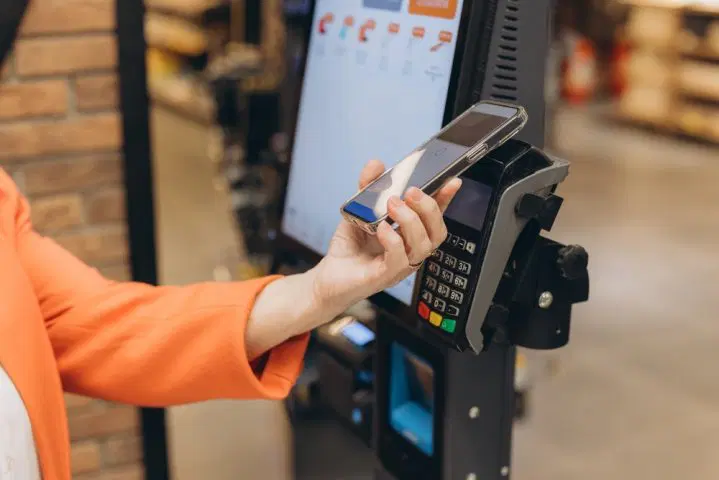
Walmart has finally joined the tap-to-pay party, giving shoppers another way to breeze through checkout without reaching for a physical card. Beginning August 24, Walmart started adding contactless payments at select U.S. stores and Sam's Club locations, with plans to bring the option to all U.S. stores and clubs by the end of 2026.
That sounds simple, and honestly, it is. The interesting part comes when the new option meets real-life shopping situations, because tapping a phone or card can save time in some places while doing absolutely nothing for other Walmart errands. Here are six moments when the change could make checkout easier, plus the spots where shoppers still need another plan.
1. A Quick Grocery RunA small grocery trip can turn into a surprisingly elaborate production when the checkout line moves faster than a person can find a wallet. Tap to Pay gives shoppers another way to pay with a supported contactless credit or debit card, phone, smartwatch, or other compatible device. That makes the technology particularly handy when someone already has a phone in hand while juggling a basket, reusable bags, or an increasingly ambitious pile of snacks. A digital wallet can also keep the physical card tucked safely away instead of forcing a wallet excavation at the register. Walmart says supported digital wallets include Apple Pay, Google Pay, Samsung Pay, and Garmin Pay.
The biggest convenience comes from cutting out a few little checkout movements that add up over repeated shopping trips. Instead of pulling out a card, inserting it, waiting, and putting everything away, a shopper can bring the supported device near the payment terminal and follow the prompts. The exact experience can vary by register and store while Walmart rolls the feature out, so the shiny new tap symbol does not guarantee every checkout will offer it immediately. Walmart still supports traditional card insertion and swiping, along with Walmart Pay, so a failed tap does not turn a grocery run into a technology hostage situation.
2. The Self-Checkout DashSelf-checkout already rewards shoppers who want to move quickly, and contactless payment can make the final step even simpler. A shopper who scans a handful of household items can finish the transaction with a tap rather than digging through a wallet at the very end. That matters most during those classic“just grabbing a couple things” trips that somehow involve a full basket and an unexpected trip down the seasonal aisle. A phone or smartwatch can stay in hand throughout the process, which reduces the awkward shuffle between bags, receipt, wallet, and cart. For shoppers who prefer digital wallets, the new option also removes the need to open the Walmart app just to initiate a payment.
There is an important distinction here, though: Tap to Pay does not replace Walmart's other checkout tools. Walmart Pay still works through the Walmart app and its QR-code system, while Scan & Go continues to use its own payment process. So the new tap option can speed up a regular checkout, but it does not magically turn every Walmart checkout method into Apple Pay.
3. When the Wallet Stays in the CarThere are few things more annoying than reaching the register and discovering that the wallet has remained comfortably at home, enjoying a much quieter afternoon. A supported phone or smartwatch can now serve as the payment method when a Walmart store offers Tap to Pay. Walmart says shoppers can use eligible contactless cards and digital wallets through supported devices, which means the physical card does not need to make an appearance. That could prove especially useful for shoppers who normally keep their wallet tucked in a bag, vehicle, or other inconvenient hiding place. It also gives people another reason to keep a backup payment method in a digital wallet before heading out.
The new system also offers a practical security advantage for digital-wallet users because the wallet can use tokenization rather than handing the merchant the underlying card number. Walmart says Tap to Pay uses EMV security technology, and digital wallets use tokenization to help protect payment information.
Still, a phone battery that has wandered into the danger zone can turn a convenient payment method into a very expensive lesson in charging habits. Keeping a physical card available remains smart for anyone who regularly shops with a nearly empty phone.
4. A Busy Sam's Club CheckoutWalmart's announcement covers Sam's Club too, which gives members another contactless option at participating clubs. A member can use a supported contactless card, phone, smartwatch, or digital wallet when the club offers Tap to Pay. That could make the end of a large shopping trip feel less like the final obstacle course after pushing a cart loaded with bulk paper towels, cereal, snacks, and enough bottled water to supply a small office. The convenience becomes especially noticeable when the phone already sits in a member's hand for other shopping tasks. A quick tap can finish the payment without requiring the physical card.
Sam's Club also has another time-saving tool that Walmart stores do not use in exactly the same way: Scan & Go. Members can scan products as they shop and then use the app to complete the payment process, allowing them to bypass a traditional checkout line. That means Tap to Pay adds another choice rather than replacing Scan & Go. Shoppers who like the traditional checkout experience can tap, while members who prefer scanning everything themselves can keep using Scan & Go.
5. When Multiple Cards Live in One PhoneA digital wallet becomes particularly useful when a shopper carries several payment cards and does not want to perform a tiny card-selection ceremony at the register. Walmart says the default card selected in the digital wallet receives the charge when a customer taps a phone. That makes it worth checking the selected card before paying, especially for anyone who keeps personal, household, and rewards cards together in one wallet. A two-second check can prevent the classic post-checkout realization that the wrong card paid for the entire cart. The new option therefore saves time best when the digital wallet already has everything organized.
Walmart also allows eligible Walmart, Sam's Club, and OnePay cards to enter supported digital wallets. That creates another path for shoppers who want to use a Walmart-related card without relying exclusively on the Walmart app. The convenience depends on having an eligible card and compatible digital wallet, so not every payment setup will work identically. Still, the broader point matters: shoppers now have more than one way to leave the plastic in the wallet and get through checkout.
6. The“Phone in Hand” Shopping TripSometimes the biggest time savings come from eliminating one tiny interruption. A shopper checking a shopping list, comparing products, pulling up a coupon, or navigating the Walmart app may already have a phone in hand when checkout arrives. Tap to Pay lets that same device handle payment when the store and terminal support the feature. That can create a smoother transition from shopping to paying, especially when the cart contains only a few items. It also gives smartwatch users another option without requiring them to pull out a phone or wallet.
The catch involves Walmart's rollout schedule, because not every U.S. store has the feature yet. Walmart began with select locations on August 24 and plans to reach all U.S. stores and clubs by the end of 2026. Fuel stations will take longer, with Walmart targeting mid-2027 for that rollout. That means a shopper can walk into a store expecting the new tap experience and still encounter the old payment setup for now. Until the rollout reaches a particular location, the familiar options remain the safest bet.
The Tap Is New, But the Old Options Aren't Going AnywhereThe most important detail about Walmart's change may also be the easiest one to miss: Tap to Pay does not replace existing payment methods. Shoppers can continue using cash, checks, traditional card payments, Walmart Pay, and Scan & Go where those options apply. The new feature simply adds contactless cards, phones, smartwatches, and supported digital wallets to the checkout mix. Walmart also plans to bring Tap to Pay to fuel stations by mid-2027, so that particular convenience still requires patience.
For now, the smartest approach involves knowing which payment tool matches the shopping trip. Regular checkout can benefit from a quick card or phone tap, while Walmart Pay still makes sense for shoppers who want its app-based payment and receipt features. Scan & Go remains its own system, and Apple Pay or another digital wallet cannot replace its existing payment process. In other words, Walmart has added another lane to the payment highway, but shoppers still need to choose the right exit.
What do you think about Walmart finally adding Tap to Pay, and would you use it instead of Walmart Pay or a physical card?

Legal Disclaimer:
MENAFN provides the
information “as is” without warranty of any kind. We do not accept any
responsibility or liability for the accuracy, content, images, videos,
licenses, completeness, legality, or reliability of the information
contained in this article. If you have any complaints or copyright issues
related to this article, kindly contact the provider above.
Comments
No comment