

403
Sorry!!
Error! We're sorry, but the page you were looking for doesn't exist.
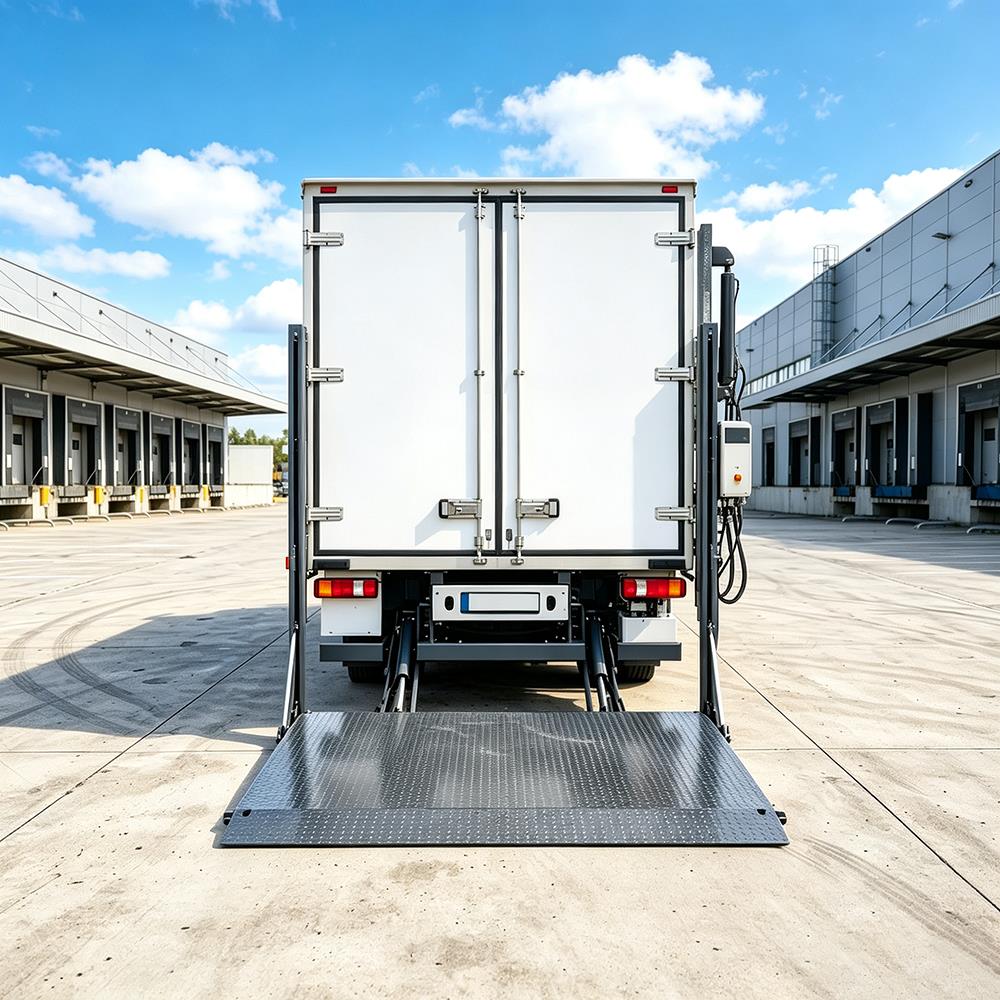
The Small Tail Lift Problems Drivers Run Into (And Can Usually Fix Themselves)


(MENAFN- Global Industrial Parts Inc.) Most tail lift breakdowns don't start as breakdowns. They start as something small and annoying — a button that needs two presses instead of one, a platform that lowers a little slower than it used to, a faint grinding sound that wasn't there last month. None of it stops the delivery. All of it gets ignored, until one day it doesn't work at all.
The good news is that a lot of these small issues don't need a workshop visit. They need five minutes and a bit of know-how. Here are the ones drivers run into most often, and which ones are safe to sort out yourself versus which ones need a proper look from a technician.
The Remote or Control Panel Stops Responding Properly
This is probably the single most common "tail lift not working" call that turns out to be nothing serious. A button needs pressing harder than it should, the lift responds late, or nothing happens at all when you press up or down.
Before assuming the worst, check the obvious things in order:
Battery condition, if the lift uses a wireless remote. A weak battery causes exactly this kind of delayed or inconsistent response, well before it dies completely.
Loose or corroded connections at the control panel, especially on vehicles that run coastal routes or see a lot of winter road salt — moisture and corrosion eat away at wiring and connectors faster than most drivers expect.
Blown fuses or a tripped relay, which can affect the control circuit without taking out the whole electrical system.
If the panel is hardwired rather than wireless, check that the connector plugging it into the vehicle is fully seated and not corroded — a loose connection here can cause exactly the same "sometimes it works, sometimes it doesn't" behaviour as a dying remote battery.
The Platform Moves Slower Than It Used To
A tail lift that used to snap up in a couple of seconds and now takes noticeably longer isn't necessarily broken — but it is telling you something. A few common, low-effort causes:
Cold hydraulic oil. Cold oil is thicker and resists flow, so the pump struggles more to draw it in. This is especially common first thing on a cold morning and tends to improve once the system has warmed up through a few cycles.
Slightly low hydraulic fluid. Not empty — just a bit under. It's enough to make the system sluggish without stopping it outright. Popping the reservoir cap and checking the level takes under a minute.
A hydraulic pump starting to wear. This is the one that isn't a five-minute fix. A worn pump can still spin and still lift, just less effectively, especially under load. If topping up fluid doesn't help and the slowdown keeps getting worse, this is where you stop self-diagnosing and get it looked at.
Grinding, Squealing, or Knocking Sounds During Operation
A tail lift that sounds different than it used to is worth paying attention to, even if it's still working fine. Sound is often the earliest warning sign you get.
Dry or dirty guide rails and rollers, especially on column-type lifts where the platform travels up and down along fixed tracks. Debris or a lack of lubrication here shows up as a knocking or grinding sound well before it causes an actual fault. A clean and re-grease often solves it.
Worn or sticking bearings, which cause the platform to move unevenly or jerkily rather than smoothly. Left alone, this accelerates wear on other parts.
A pump under strain, which tends to sound different — often a higher-pitched whine — compared to a lift that's simply dry or dirty. If cleaning and lubricating the moving parts doesn't change the sound, that's a signal the noise is coming from inside the hydraulic system rather than the mechanical guides, and it's time to get it checked.
The Platform Doesn't Sit Flush or Fold Away Properly
If the platform is a little uneven when stowed, or doesn't latch the way it used to, don't force it — that's how minor issues turn into bent brackets and structural problems. Common, checkable causes:
A bent platform edge, usually from a forklift catching it or an overloaded corner, which throws off how it seats when folded.
Loose bolts or brackets, which vibrate loose over thousands of loading cycles on rough roads. Worth a visual check and a re-torque as part of routine maintenance rather than waiting for something to rattle.
Debris in the folding mechanism — road grit and dirt builds up in the hinge points over time and stops the platform from sitting properly.
When It's a "Fix It Yourself" Job vs. When It Isn't
As a rough guide: anything involving batteries, visible dirt or debris, loose fasteners, or a fluid level check is safe to handle yourself. Anything involving the inside of the hydraulic pump, the relief valve, a cylinder, or the platform's structural frame is not — those need the right tools and, more importantly, the right diagnosis, because forcing a partially-working lift under load is a genuine safety risk, not just an inconvenience.
If you've checked the easy stuff and the problem is still there, or it's getting worse rather than better, that's the point to stop guessing and book it in properly.
Beauway has been specializing in the field of logistics loading and unloading equipment for many years, with a full product range covering tail lifts, dock levelers, and lifting platforms. For a customized solution tailored to your specific site conditions, you are welcome to schedule a technical consultation.
The good news is that a lot of these small issues don't need a workshop visit. They need five minutes and a bit of know-how. Here are the ones drivers run into most often, and which ones are safe to sort out yourself versus which ones need a proper look from a technician.
The Remote or Control Panel Stops Responding Properly
This is probably the single most common "tail lift not working" call that turns out to be nothing serious. A button needs pressing harder than it should, the lift responds late, or nothing happens at all when you press up or down.
Before assuming the worst, check the obvious things in order:
Battery condition, if the lift uses a wireless remote. A weak battery causes exactly this kind of delayed or inconsistent response, well before it dies completely.
Loose or corroded connections at the control panel, especially on vehicles that run coastal routes or see a lot of winter road salt — moisture and corrosion eat away at wiring and connectors faster than most drivers expect.
Blown fuses or a tripped relay, which can affect the control circuit without taking out the whole electrical system.
If the panel is hardwired rather than wireless, check that the connector plugging it into the vehicle is fully seated and not corroded — a loose connection here can cause exactly the same "sometimes it works, sometimes it doesn't" behaviour as a dying remote battery.
The Platform Moves Slower Than It Used To
A tail lift that used to snap up in a couple of seconds and now takes noticeably longer isn't necessarily broken — but it is telling you something. A few common, low-effort causes:
Cold hydraulic oil. Cold oil is thicker and resists flow, so the pump struggles more to draw it in. This is especially common first thing on a cold morning and tends to improve once the system has warmed up through a few cycles.
Slightly low hydraulic fluid. Not empty — just a bit under. It's enough to make the system sluggish without stopping it outright. Popping the reservoir cap and checking the level takes under a minute.
A hydraulic pump starting to wear. This is the one that isn't a five-minute fix. A worn pump can still spin and still lift, just less effectively, especially under load. If topping up fluid doesn't help and the slowdown keeps getting worse, this is where you stop self-diagnosing and get it looked at.
Grinding, Squealing, or Knocking Sounds During Operation
A tail lift that sounds different than it used to is worth paying attention to, even if it's still working fine. Sound is often the earliest warning sign you get.
Dry or dirty guide rails and rollers, especially on column-type lifts where the platform travels up and down along fixed tracks. Debris or a lack of lubrication here shows up as a knocking or grinding sound well before it causes an actual fault. A clean and re-grease often solves it.
Worn or sticking bearings, which cause the platform to move unevenly or jerkily rather than smoothly. Left alone, this accelerates wear on other parts.
A pump under strain, which tends to sound different — often a higher-pitched whine — compared to a lift that's simply dry or dirty. If cleaning and lubricating the moving parts doesn't change the sound, that's a signal the noise is coming from inside the hydraulic system rather than the mechanical guides, and it's time to get it checked.
The Platform Doesn't Sit Flush or Fold Away Properly
If the platform is a little uneven when stowed, or doesn't latch the way it used to, don't force it — that's how minor issues turn into bent brackets and structural problems. Common, checkable causes:
A bent platform edge, usually from a forklift catching it or an overloaded corner, which throws off how it seats when folded.
Loose bolts or brackets, which vibrate loose over thousands of loading cycles on rough roads. Worth a visual check and a re-torque as part of routine maintenance rather than waiting for something to rattle.
Debris in the folding mechanism — road grit and dirt builds up in the hinge points over time and stops the platform from sitting properly.
When It's a "Fix It Yourself" Job vs. When It Isn't
As a rough guide: anything involving batteries, visible dirt or debris, loose fasteners, or a fluid level check is safe to handle yourself. Anything involving the inside of the hydraulic pump, the relief valve, a cylinder, or the platform's structural frame is not — those need the right tools and, more importantly, the right diagnosis, because forcing a partially-working lift under load is a genuine safety risk, not just an inconvenience.
If you've checked the easy stuff and the problem is still there, or it's getting worse rather than better, that's the point to stop guessing and book it in properly.
Beauway has been specializing in the field of logistics loading and unloading equipment for many years, with a full product range covering tail lifts, dock levelers, and lifting platforms. For a customized solution tailored to your specific site conditions, you are welcome to schedule a technical consultation.
Global Industrial Parts Inc.
Legal Disclaimer:
MENAFN provides the
information “as is” without warranty of any kind. We do not accept any
responsibility or liability for the accuracy, content, images, videos,
licenses, completeness, legality, or reliability of the information
contained in this article. If you have any complaints or copyright issues
related to this article, kindly contact the provider above.
Comments
No comment