

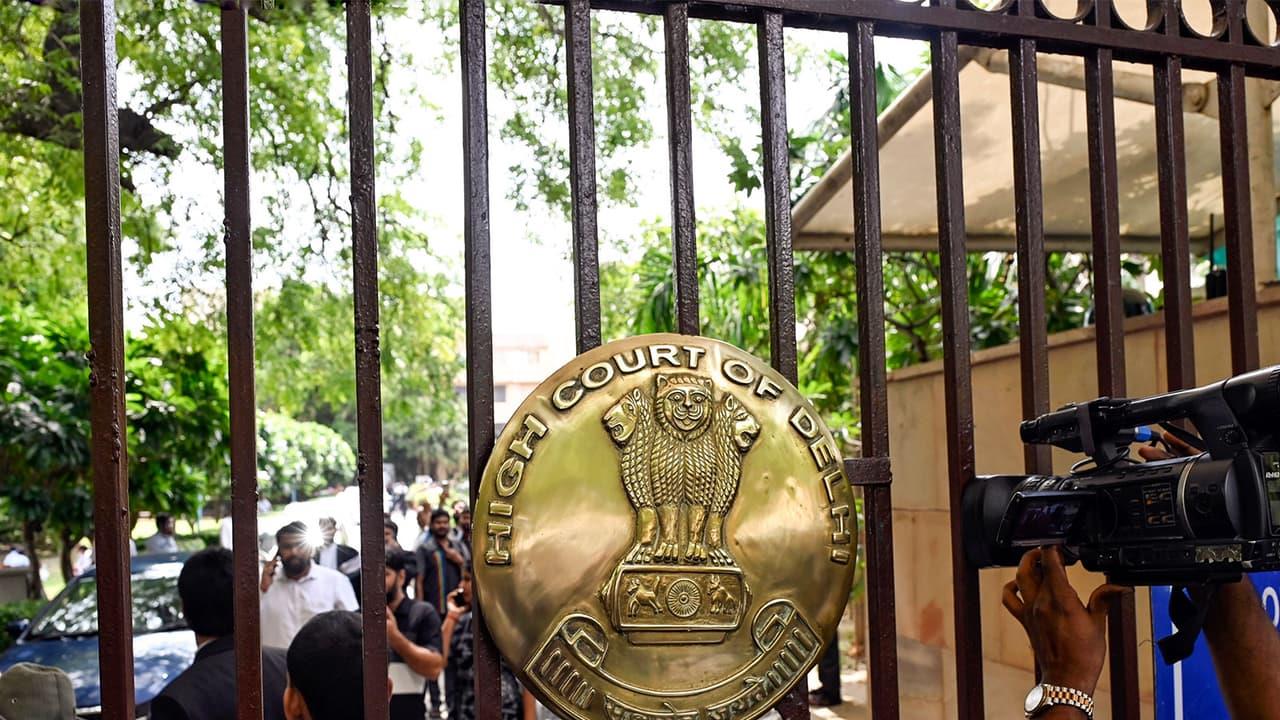
Delhi HC: Footpaths Are For Walking, Cannot Be Encroached Upon


Court Rejects Plea Against Jhuggi Removal
The Delhi High Court has observed that footpaths are meant for walking and for pedestrians and cannot be encroached upon, while refusing to entertain a plea challenging a notice for removal of jhuggis allegedly constructed on government land along GT Karnal Road.
Justice Jasmeet Singh, while dealing with a petition filed by Lohar Basti Lal Bagh Azadpur Vikas Samiti, said a perusal of the photographs placed on record showed that jhuggis had been constructed on the footpath.
“Footpaths are made for walking and strictly for the pedestrians to avoid traffic on the roads. Footpaths cannot be encroached upon,” the court observed.
Petition Sought Rehabilitation Before Demolition
The petition had challenged a notice dated August 7, issued in relation to the alleged encroachment and had sought directions to the authorities to conduct a survey of the residents and determine their eligibility for rehabilitation or resettlement before carrying out any removal action.
The petitioner had also sought protection against demolition or dispossession and had relied upon principles laid down in earlier decisions concerning the survey and rehabilitation of residents of jhuggi clusters.
Encroachment on Public Land Cited in Ruling
However, the High Court noted that the photographs, read along with the impugned notice, showed that several persons had allegedly constructed jhuggis on government land forming part of the Right of Way, footpath and storm water drain maintained by the Public Works Department on GTK Road.
According to the notice referred to by the court, an inspection by the District Magistrate (Central North) and the SDM, Model Town, had found alleged illegal occupation of the government land, with certain occupants also carrying out commercial activities, including trade in iron utensils.
Justice Singh said such encroachment could not be permitted and declined to grant the reliefs sought in the petition.
The court, however, took note of the petitioner's representation dated August 21.
Counsel appearing in the matter stated that the representation would be considered by the Public Works Department.
The High Court consequently directed respondent No. 3, the PWD, to decide the representation expeditiously and preferably within four weeks.
(ANI)
(Except for the headline, this story has not been edited by Asianet Newsable English staff and is published from a syndicated feed.)
Legal Disclaimer:
MENAFN provides the
information “as is” without warranty of any kind. We do not accept any
responsibility or liability for the accuracy, content, images, videos,
licenses, completeness, legality, or reliability of the information
contained in this article. If you have any complaints or copyright issues
related to this article, kindly contact the provider above.
Comments
No comment