

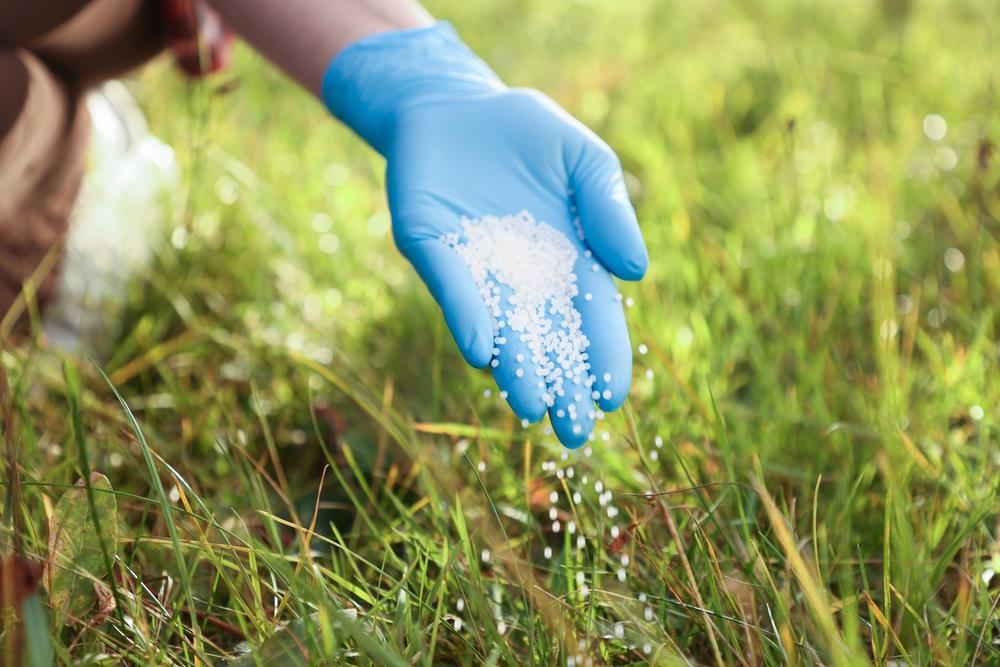
Garden Plants You Should Stop Fertilizing As Summer Ends


As summer starts running out of steam, your fertilizer routine deserves a second look. Continuing to feed certain garden plants simply because they still have green leaves can encourage tender new growth at exactly the wrong time, leaving plants less prepared for the cooler weather ahead.
That does not mean every plant needs to go on a strict fertilizer vacation. Some vegetables still producing crops, container plants with heavy nutrient demands, and plants with specific deficiencies may need continued feeding, but many established landscape plants benefit from a pause as the growing season winds down.
Trees and Shrubs Do Not Need a Late-Summer BuffetEstablished trees and shrubs generally do not need regular fertilizer applications late in the summer, particularly when they grow in reasonably fertile soil and show healthy growth. Extra nitrogen can push them toward fresh shoots and leaves when the plant should start shifting away from vigorous new growth as the season changes.
Those tender shoots may have less time to mature and harden before cold weather arrives. That creates a particularly poor bargain: the plant spends energy producing growth that may struggle with winter instead of gradually preparing existing tissues for dormancy.
A tree or shrub that shows weak growth, unusual leaf color, or another possible nutrient problem deserves a closer look rather than a random scoop of fertilizer. A soil test can reveal whether the soil actually lacks nutrients, and it beats guessing based on a single yellow leaf that could have several causes.
Perennial Flowers Can Put the Fertilizer AwayMany established perennial flowers can stop receiving routine fertilizer as summer winds down, especially when they grow in decent soil and already produce healthy foliage and flowers. Continuing to push lots of nitrogen can encourage leafy growth instead of helping the plant settle into its natural seasonal cycle.
This matters because perennial plants have more important work ahead than producing another enormous mound of leaves. They need to move toward dormancy and store resources in roots, crowns, bulbs, or other underground structures, depending on the plant.
There is also a practical benefit to easing off the fertilizer: fewer unnecessary applications mean less money spent and less nutrient movement into the surrounding environment. If a perennial looks healthy, flowering normally, and growing in good soil, the best late-summer fertilizer application may be the one that never leaves the shed.
Roses Usually Need a Cutoff, Not a Pep RallyRoses can tempt gardeners into an endless feeding cycle because every new flush of flowers makes another application seem irresistible. In many climates, gardeners should stop routine fertilizing several weeks before the expected first frost so the plants have time to slow down rather than produce a final burst of tender growth.
The exact timing depends on the local climate and the type of fertilizer, so a calendar date cannot cover every garden. A slow-release product applied earlier in the season can also continue releasing nutrients after the gardener stops adding more, which makes the fertilizer label worth checking before reaching for another handful.
Late-season rose care should focus more on sensible watering, disease management, and general plant health than on chasing one more giant flush of flowers.
Lawns and Cool-Season Plants Are a Different StoryGrass complicates the picture because the right fertilizer timing depends heavily on the type of lawn. Cool-season grasses often enter their strongest growth period as summer heat fades, so fall fertilization can make sense for those lawns when the timing and application rate fit the grass and local conditions.
Warm-season grasses follow a different seasonal pattern and generally slow as temperatures fall, which means a late-season nitrogen application may not provide the same benefit. Gardeners should identify the grass type before copying a neighbor's fertilizer schedule, because lawns can have very different calendars despite sitting only a few yards apart.
Vegetable gardens also deserve their own category because a tomato plant still producing fruit does not follow the same schedule as a dormant ornamental shrub. Productive annual crops can continue needing nutrients while conditions support active growth, particularly when repeated harvests remove nutrients from the garden.
Container Plants May Need One Last LookPotted plants can exhaust available nutrients more quickly than plants growing in the ground because containers hold a limited amount of growing medium. That means some container vegetables, flowering annuals, and other actively growing plants may still need fertilizer while they continue producing new growth.
The trick involves matching the fertilizer to the plant and the remaining growing season instead of following a blanket rule. If a container plant will soon enter dormancy or move indoors, continued heavy feeding may create unnecessary soft growth and make the transition more awkward.
Plants that spend winter indoors deserve particular caution because low light and slower growth change their nutrient needs dramatically. Once growth slows, watering and fertilizer should usually decrease rather than continue at the summer rate.
Let the Garden Shift GearsLate summer marks a useful transition point in garden care, and fertilizer belongs on that seasonal checklist. Established trees, shrubs, and many perennial ornamentals usually do not need another push of nitrogen as the growing season winds down, while roses often benefit from an appropriate fertilizer cutoff before frost.
The smartest approach involves looking at each plant rather than treating the entire yard like one giant organism with identical needs. When a plant still grows vigorously, produces crops, or occupies a container with limited nutrients, continued feeding may make sense, but healthy plants heading toward dormancy usually need less intervention, not more.
Which plants in the garden get too much fertilizer attention as summer winds down, and which ones have surprised you by doing perfectly well without it?

Legal Disclaimer:
MENAFN provides the
information “as is” without warranty of any kind. We do not accept any
responsibility or liability for the accuracy, content, images, videos,
licenses, completeness, legality, or reliability of the information
contained in this article. If you have any complaints or copyright issues
related to this article, kindly contact the provider above.
Comments
No comment