

India Closes Gap With Global Vehicle Standards, Now 2-3 Years Behind In Some Areas: Morth


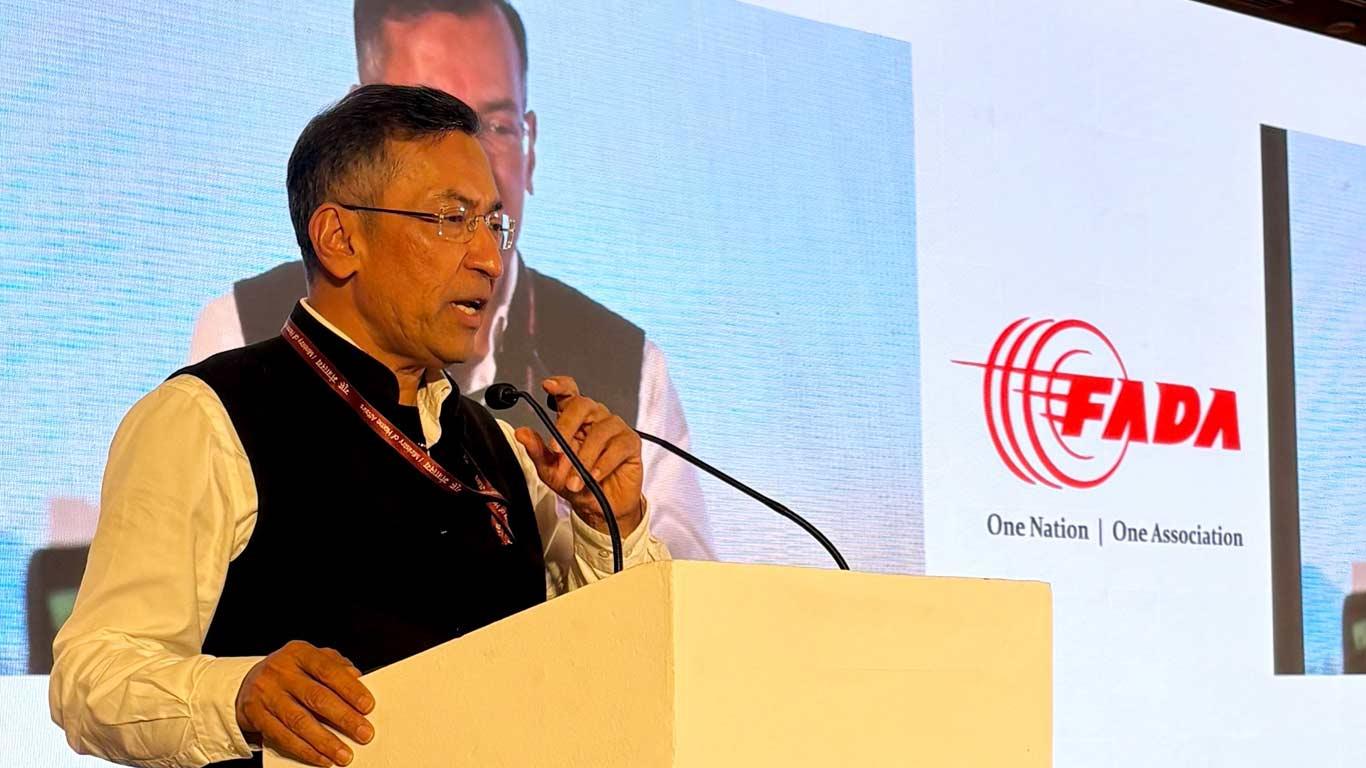
Speaking at the 8th FADA Auto Retail Conclave 2026 in New Delhi, Ahmed said India was around a decade behind markets such as Western Europe and Japan on vehicle standards 10-15 years ago, reported Economic Times.
Sustained engagement with global automotive ecosystems has helped India accelerate convergence with international standards, he said.
Global Collaboration Drives Standards Convergence
Ahmed attributed the progress to continued engagement among Indian stakeholders and automotive ecosystems across major markets, including regulators, ministries, testing agencies, standards bodies, manufacturers and academia.
This collaboration has supported faster adoption and development of standards covering vehicle safety, emissions and emerging technologies.
He urged Indian manufacturers to develop products that can compete globally, stressing the need to combine domestic manufacturing with a global outlook.
Safety Focus Expands To Commercial Vehicles
Ahmed said vehicle safety remains a key area of regulatory development. Under the government's vehicle assessment programme, 11 original equipment manufacturers (OEMs) have voluntarily submitted models for assessment, with 38 models receiving safety ratings ranging from one to five stars.
The government is also extending safety measures to commercial vehicles, with technologies such as driver drowsiness warning, lane departure warning, emergency braking and electronic stability control being introduced.
Ahmed said the government has shifted towards a type-approval certification regime for bus bodies, replacing the earlier self-certification system. The framework covers bodies manufactured by OEMs as well as those built by OEM-recommended body builders.
The objective is to ensure compliance with prescribed safety standards before buses enter service, he said.
Dealers Urged To Expand Beyond Vehicle Sales
Ahmed also encouraged dealers to explore opportunities in financing, insurance and other allied services to create a more integrated customer experience.
He said India's mobility ambitions must be pursued alongside sustainability and safety, with policymakers and regulators required to balance competing interests.
(KNN Bureau)

Legal Disclaimer:
MENAFN provides the
information “as is” without warranty of any kind. We do not accept any
responsibility or liability for the accuracy, content, images, videos,
licenses, completeness, legality, or reliability of the information
contained in this article. If you have any complaints or copyright issues
related to this article, kindly contact the provider above.
Comments
No comment