

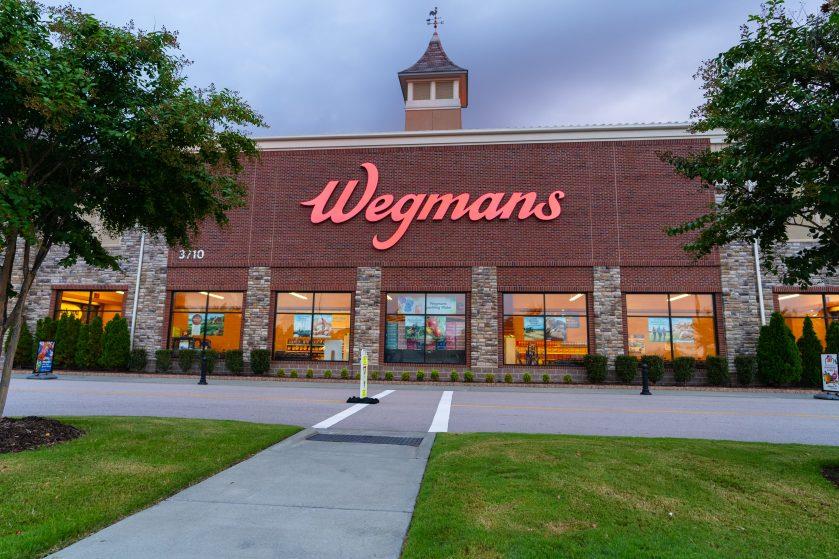
Beyond The Produce Aisle: The Story, Secrets, And Future Of The Ultimate Grocery Cult Favorite


Long before modern consumers drove miles out of their way to browse sprawling European-style market halls, Wegmans started as a modest family dream. In 1916, brothers John and Walter Wegman launched the Rochester Fruit and Vegetable Company in upstate New York. Armed with a horse-drawn wagon and a passion for fresh produce, the brothers recognized that traditional grocery shopping felt like a burdensome chore. They envisioned a better retail model focused entirely on superior food quality and a genuinely pleasurable customer experience. That foundational commitment to fresh ingredients and exceptional service laid the groundwork for an enduring retail empire.
By 1930, the brothers stunned the industry by opening an enormous twenty-thousand-square-foot store featuring a 300-seat cafeteria and refrigerated display cases. This early superstore model proved that grocery shopping could transform into an entertaining outing rather than a stressful weekly errand. As subsequent generations took the helm, including the visionary leadership of Robert Wegman, the company continued pushing boundaries. Innovations like employee profit-sharing plans, in-house bakeries, and full-service pharmacies set new standards across the entire American supermarket landscape. What began as a local fruit cart evolved into a beloved multi-state culinary institution.
Why Devoted Shoppers Become True BelieversWalking into a modern Wegmans location explains why the brand commands such fierce and emotional loyalty from its customer base. Shoppers affectionately known as Wegmans fanatics praise the immaculate store layouts, expansive artisan cheese selections, and vibrant produce displays. Unlike sterile discount warehouses, these markets feel like bustling village squares filled with friendly employees and enticing aromas. The sheer variety of ready-to-eat prepared foods, sushi bars, and artisan baked goods turns dinner planning into an adventure. Customers willingly bypass closer supermarkets just to experience the elevated ambiance and curated product selection found down every aisle.
This deep connection goes far beyond fancy displays or novelty items; it stems from a corporate culture that prioritizes people. Robert Wegman famously believed that if a company wants employees to care about customers, leadership must care for staff first. Robust employee scholarship programs, competitive wages, and genuine career development create a motivated workforce that shines on the sales floor. When friendly clerks help you locate a specialty spice with a smile, the shopping experience feels remarkably personal. That unwavering dedication to hospitality keeps families coming back week after week, generation after generation.
The Cultural Phenomenon of Community ConnectionBeyond standard retail metrics, Wegmans locations often function as vibrant cultural hubs where local communities naturally gather to celebrate food. Cooking schools, interactive wine-tasting events, and seasonal community celebrations turn weekly errands into immersive social experiences for regular visitors. The company actively collaborates with regional growers, artisans, and small-batch food makers to highlight hyper-local products on its shelves. This authentic community integration fosters an intense sense of local pride that traditional national chains struggle to replicate. Shoppers feel personally invested in the success of their neighborhood store because the market reflects the unique flavor of the region it serves.
Navigating the Future of Food RetailAs the grocery industry faces rapid technological shifts and changing consumer habits, Wegmans continues to adapt with strategic precision. Modern retail demands agile digital integration, leading the company to expand its e-commerce delivery partnerships alongside its physical footprint. Leadership closely monitors emerging health trends, adjusting product inventory to meet surging consumer demand for high-protein foods and functional beverages. Furthermore, the brand is carefully expanding into new regional markets across the Northeast and Mid-Atlantic with targeted store formats. Each new location is meticulously designed to balance modern efficiency with the classic hospitality that made the brand famous.
Sustaining this high level of quality while scaling operations requires careful financial discipline and deep logistical expertise. Rather than opening dozens of chaotic stores each year, Wegmans focuses on deliberate, sustainable growth that protects its core values. The company also invests heavily in sustainable packaging initiatives and local farm partnerships to ensure long-term environmental and economic health. This forward-thinking approach guarantees that the beloved regional grocer remains relevant to younger, health-conscious shoppers without alienating its core supporters.
A Lasting Legacy in American RetailThe extraordinary journey from a single fruit and vegetable cart to an iconic regional powerhouse is a testament to visionary leadership. Wegmans proves that a supermarket can be much more than a place to buy milk, eggs, and cereal. By combining top-tier culinary offerings, genuine employee appreciation, and an inviting atmosphere, the brand carved out a unique space. As the retail landscape continues to evolve, this family-owned titan remains a golden standard for what grocery shopping should be. Navigating the modern food economy is much easier when you have a trusted destination that treats every meal like a celebration.
What is your absolute favorite prepared food or bakery item to grab when visiting a Wegmans?
What To Read NextWhy Grocery Stores Sell Rotisserie Chickens So Cheap - And What They Hope You Buy With It
The Grocery Store Wants You to Buy Dinner at 5 P.M. - Here's Why That Gets Expensive
9 Reasons Some Trader Joe's Shoppers Say the Store Isn't What It Used to Be
USDA Offers $7.5 Million to Help Food Banks Store More Fresh and Frozen Food
7 Grocery Items That Are Usually Cheaper Somewhere Else in the Store

Legal Disclaimer:
MENAFN provides the
information “as is” without warranty of any kind. We do not accept any
responsibility or liability for the accuracy, content, images, videos,
licenses, completeness, legality, or reliability of the information
contained in this article. If you have any complaints or copyright issues
related to this article, kindly contact the provider above.
Comments
No comment