

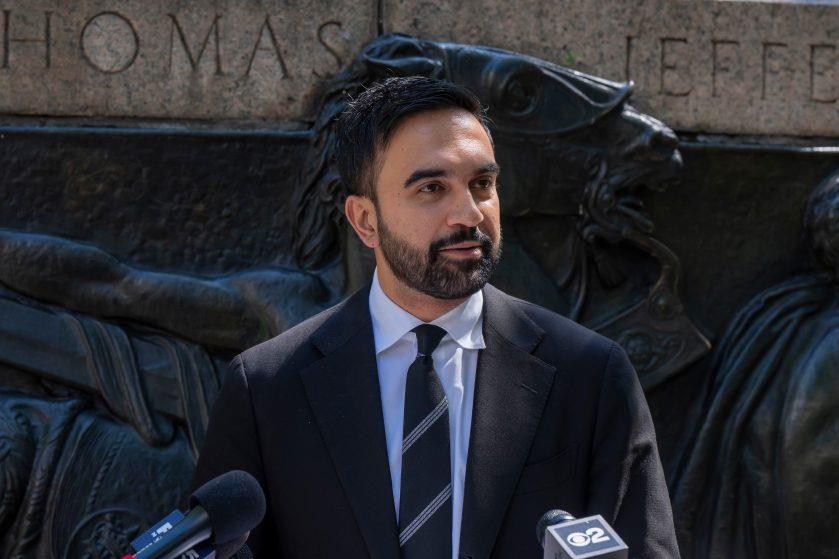
Inside The Push For New York City's Municipal Grocery Stores: Progress, Plans, And Pushback


As grocery inflation continues to strain household budgets across the country, New York City Mayor Zohran Mamdani's high-profile municipal grocery store initiative is moving from campaign promise to operational reality. The core objective of the plan is simple: tackle soaring food costs by introducing a network of city-owned supermarkets designed to offer everyday essentials at a guaranteed thirty percent discount. Backed by a seventy-million-dollar capital budget allocation, the administration aims to establish one municipal grocery store in each of the five boroughs by the end of the mayor's first term. Proponents argue that a public option provides a vital shield against volatile food pricing, while critics question how government-backed retail will impact traditional neighborhood businesses.
Progress and Key Site SelectionsThe administration has steadily advanced the logistical framework required to bring these public markets to life. Officials formally announced that the first municipal grocery store will open its doors in late 2027 at Hunts Point in the Bronx, a neighborhood where local studies indicate an overwhelming majority of residents struggle to afford necessities. Additionally, the city targeted the historic La Marqueta site in East Harlem for a sprawling municipal market space slated to open as part of the broader rollout.
To manage these locations effectively, the New York City Economic Development Corporation issued a formal request for proposals seeking experienced private operators to handle day-to-day store management. Under this hybrid operational model, the city retains ownership of the infrastructure, covers overhead building expenses, and sets strict pricing standards. Meanwhile, selected third-party operators manage inventory, staffing, and supply chain logistics to ensure efficient store performance. Expanding site identification portals for the remaining boroughs continues to move forward dynamically.
The Pricing Structure and Projected SavingsThe cornerstone of the municipal grocery program is its aggressive pricing model, targeting a uniform thirty percent discount on a core basket of critical food items. This discounted inventory includes fresh produce, meat, seafood, dairy products, and roughly twenty categories of essential pantry staples. City economic projections estimate that these reliable savings will slash the average New York family's grocery bill by fifteen percent, translating to roughly ninety dollars saved every month or one thousand dollars annually.
Unlike traditional private supermarkets where retail prices fluctuate wildly based on supply chain disruptions and seasonal inflation, municipal store prices will remain strictly locked and predictable. The administration intends to prioritize neighborhoods facing the most severe food access challenges and highest poverty rates across the five boroughs. By stripping out standard commercial real estate profit margins, the city hopes to prove that fresh, healthy food can remain universally accessible regardless of zip code. Furthermore, these locations are designed to provide living wages and strong labor protections for retail workers.
Facing Legal Challenges and Local OppositionDespite steady administrative momentum, the municipal grocery store initiative faces fierce resistance from independent merchants and small business advocates. A newly formed coalition, the Multicultural Business Coalition, filed a class-action lawsuit in the New York County Supreme Court seeking to block the city-run stores. Representing over 100 bodegas, small supermarkets, and immigrant-owned grocery businesses, the lawsuit argues that taxpayer-backed retail creates unfair competition and predatory pricing.
Store owners contend that independent merchants operating on razor-thin profit margins cannot compete against municipal locations benefiting from free city-owned real estate and subsidized overhead expenses. Legal representatives for the coalition argue the plan threatens the livelihoods of multi-generational bodega and grocery operators across the city. Mayor Mamdani defended the initiative, emphasizing that five public stores represent a tiny fraction of the retail food outlets operating across the five boroughs and pointing out that restrictions on selling hot foods or tobacco products will minimize direct overlap.
What Lies Ahead for the InitiativeAs the city evaluates operating proposals and prepares for the upcoming 2027 opening in the Bronx, the broader debate over municipal retail intervention is just beginning. The success of these five pilot stores will likely serve as a major test of whether large-scale municipal grocery interventions can coexist with traditional urban food retail. For millions of inflation-weary New Yorkers watching the project unfold, the promise of cheaper milk, eggs, and fresh produce cannot arrive fast enough. Legal battles and operational hurdles will determine whether this ambitious affordability experiment becomes a permanent blueprint for American cities.
What are your thoughts on cities stepping in to operate municipal grocery stores to combat food inflation?
What To Read NextSurveillance Pricing Must Be Disclosed: New York to Force Companies to Tell You When AI Sets the Price
New York Shoppers These Aldi Items Are Cheaper Than Most Other Stores Right Now
The Surprising Plan for a Publicly Owned Grocery Store in New York City
New York City Considers Strict New Rules for Retail Self Checkout Lanes
New Yorks FRESH Program Expands April Support for Grocery Access in Key Cities

Legal Disclaimer:
MENAFN provides the
information “as is” without warranty of any kind. We do not accept any
responsibility or liability for the accuracy, content, images, videos,
licenses, completeness, legality, or reliability of the information
contained in this article. If you have any complaints or copyright issues
related to this article, kindly contact the provider above.
Comments
No comment