

403
Sorry!!
Error! We're sorry, but the page you were looking for doesn't exist.
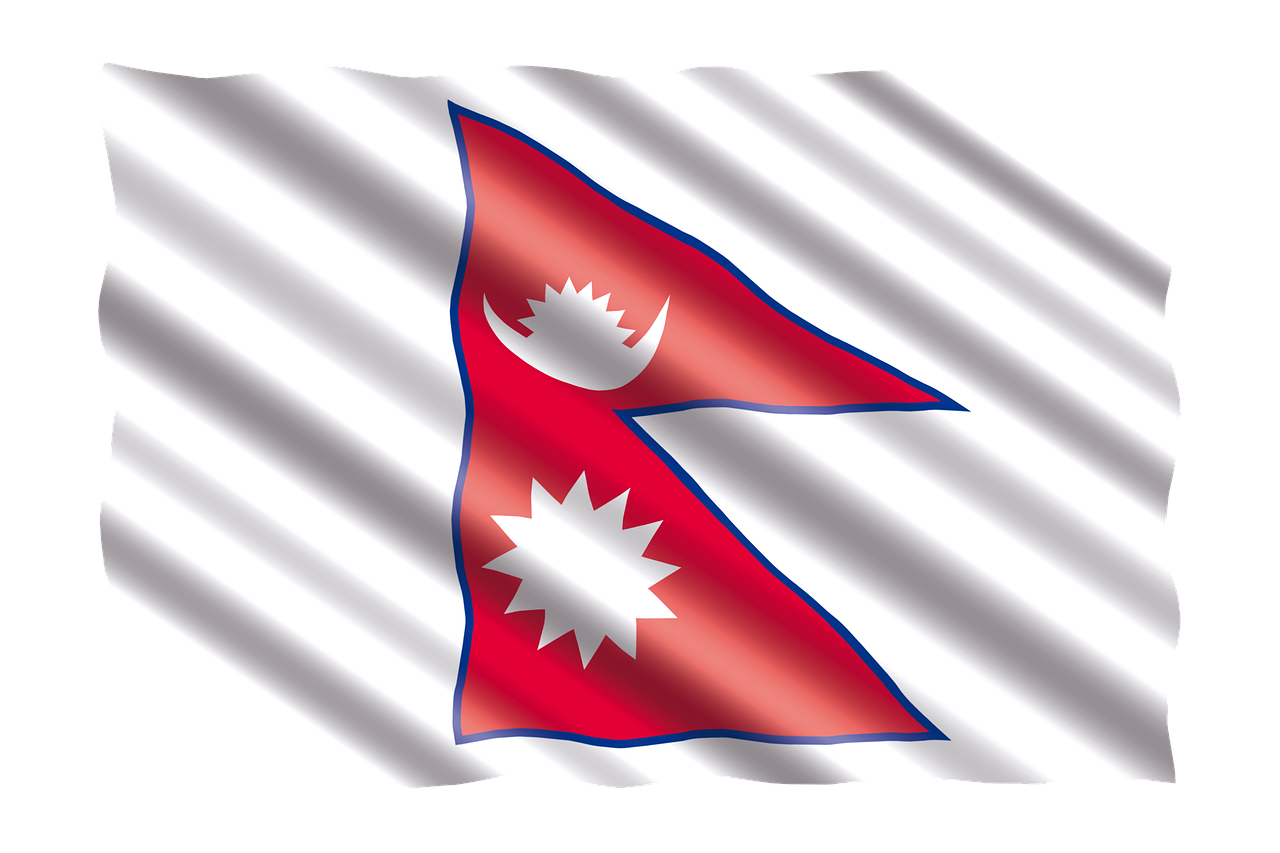
Nepal Deploys Drones to Recover Bodies as Flood Deaths Approach 1,100


(MENAFN) Rescue operations across Nepal's flood-devastated regions have taken on a striking new dimension, with drones now being used to recover the dead in addition to their established role ferrying food to stranded communities, media reported Wednesday.
In Dhading district, one of the areas hit hardest by last week's disaster, locals watched an unfamiliar sight unfold overhead: an unmanned aircraft carrying a human body through the sky. Rescuers had turned to the drone after determining the terrain where the victim was found was too dangerous and difficult to reach by conventional means. Seven bodies have now been airlifted out of the district using drones.
The shift marks a dramatic evolution from a decade ago, when drone technology in Nepal was chiefly the domain of international disaster-response teams. Foreign relief organizations first introduced the aircraft to the country following the catastrophic 7.8-magnitude earthquake of 2015, which killed thousands and reduced large portions of Kathmandu and other areas to rubble — deploying them at the time to locate survivors, assess the scale of destruction, and coordinate recovery work.
Since then, the technology's role has expanded far past aerial photography and mapping into direct search-and-rescue application. Operators note that even with limits on how much cargo the aircraft can carry, how far they can travel, and how they perform in rough weather, drones can deliver an outsized impact in locations where ground transport simply cannot go.
Central to the effort is an eight-person team flying the DJI FlyCart 100, a Chinese-manufactured industrial cargo drone rated to carry loads of up to 85 kilograms (187 pounds) across a maximum range of 4 kilometers (2.5 miles). Additional aircraft have been assigned to sweep rivers and riverbanks in the ongoing search for the missing, while thermal-imaging drones scan for heat signatures that could indicate survivors trapped in zones too hazardous or remote for rescuers to enter on foot.
At the Upper Trishuli-1 hydropower project, where dozens of workers are feared to remain trapped inside a flooded tunnel, crews have flown drones directly into the passage in search of survivors. In multiple other affected zones, the aircraft continue to be used to drop off food supplies to isolated communities.
The scale of the disaster remains staggering: roughly 1.6 million people across Nepal have been affected by last week's flash floods, which have claimed nearly 1,100 lives and left close to 4,000 people missing. Just across the border in China, at least 16 people have died and 546 remain unaccounted for — including 261 foreign nationals.
In Dhading district, one of the areas hit hardest by last week's disaster, locals watched an unfamiliar sight unfold overhead: an unmanned aircraft carrying a human body through the sky. Rescuers had turned to the drone after determining the terrain where the victim was found was too dangerous and difficult to reach by conventional means. Seven bodies have now been airlifted out of the district using drones.
The shift marks a dramatic evolution from a decade ago, when drone technology in Nepal was chiefly the domain of international disaster-response teams. Foreign relief organizations first introduced the aircraft to the country following the catastrophic 7.8-magnitude earthquake of 2015, which killed thousands and reduced large portions of Kathmandu and other areas to rubble — deploying them at the time to locate survivors, assess the scale of destruction, and coordinate recovery work.
Since then, the technology's role has expanded far past aerial photography and mapping into direct search-and-rescue application. Operators note that even with limits on how much cargo the aircraft can carry, how far they can travel, and how they perform in rough weather, drones can deliver an outsized impact in locations where ground transport simply cannot go.
Central to the effort is an eight-person team flying the DJI FlyCart 100, a Chinese-manufactured industrial cargo drone rated to carry loads of up to 85 kilograms (187 pounds) across a maximum range of 4 kilometers (2.5 miles). Additional aircraft have been assigned to sweep rivers and riverbanks in the ongoing search for the missing, while thermal-imaging drones scan for heat signatures that could indicate survivors trapped in zones too hazardous or remote for rescuers to enter on foot.
At the Upper Trishuli-1 hydropower project, where dozens of workers are feared to remain trapped inside a flooded tunnel, crews have flown drones directly into the passage in search of survivors. In multiple other affected zones, the aircraft continue to be used to drop off food supplies to isolated communities.
The scale of the disaster remains staggering: roughly 1.6 million people across Nepal have been affected by last week's flash floods, which have claimed nearly 1,100 lives and left close to 4,000 people missing. Just across the border in China, at least 16 people have died and 546 remain unaccounted for — including 261 foreign nationals.

Legal Disclaimer:
MENAFN provides the
information “as is” without warranty of any kind. We do not accept any
responsibility or liability for the accuracy, content, images, videos,
licenses, completeness, legality, or reliability of the information
contained in this article. If you have any complaints or copyright issues
related to this article, kindly contact the provider above.
Comments
No comment