

Russia Doubles LNG Shadow Fleet In A Year To Boost Gas Exports Bloomberg


In late December, there were only 11 such vessels, according to Bloomberg.
The agency also reported that the latest addition to the fleet transporting LNG from the sanctioned Arctic project is a modern Russian-built ice-class tanker, the second of its kind designed for year-round operations in icy waters. Vessel-tracking data showed that it was loading gas at Arctic LNG 2 over the weekend.
Seeking new markets for gas that was previously shipped to Europe by pipeline, Russia has placed a major bet on LNG exports. US and European sanctions on Arctic LNG 2, Russia's flagship LNG export project, forced Moscow to postpone plans to triple LNG production by 2030. At the same time, Russia is rapidly expanding its shadow fleet to continue shipping gas eastward.
China is currently the only buyer of the sanctioned LNG. Both seaborne and pipeline energy exports are helping deepen ties between Moscow and Beijing. On Monday, Chinese President Xi Jinping and Russian President Vladimir Putin met on the sidelines of the Shanghai Cooperation Organisation summit in Kyrgyzstan. According to the Russian side, they discussed gas-related issues, among others.
The administration of US President Donald Trump has so far taken a less stringent approach to Russia's gas sector and the expansion of its shadow fleet. Washington has neither threatened sanctions nor imposed restrictions on China's purchase of sanctioned Russian LNG. Such shipments began last year and accelerated in 2026.
This contrasts with the policy of the Joe Biden administration, which imposed sanctions on Russian LNG projects, including Arctic LNG 2, as well as on vessels and storage facilities supporting their operations.
At the same time, Moscow will need to expand the fleet further to use Arctic LNG 2 at full capacity. The project is located in a remote part of western Siberia, where ice conditions restrict shipping for much of the year. Increasing the number of ice-class vessels could partly address this challenge, as such tankers are needed to navigate Arctic ice even in winter.
The LNG is initially loaded onto specially designed ice-class tankers and then transported to storage facilities in Russia's Far East or to western Russia. There, it is transferred to conventional tankers for onward delivery to buyers.
Three Arc7-class tankers are currently in operation. Several more are under construction, with Moscow saying one is due to enter service by the end of the year.
In addition to Arc7 vessels and Arc4-class tankers capable of navigating thinner ice, Russia has 12 conventional tankers for long-haul voyages to China during the winter months, when the northern route to Asia is bclocked by heavy ice.
According to Rystad, Russia may need up to 30 conventional tankers for Arctic LNG 2 to operate at full capacity.
Moscow is therefore likely to keep expanding its shadow fleet.
Read also: Ukraine's military intelligence publishes data on 26 vessels Russia uses to transport oil, LNG and stolen Ukrainian grain
As previously reported by Ukrinform, in the first half of 2026, Europe imported more LNG from Russia's Yamal LNG project than ever before, just months before the EU ban on Russian gas imports is due to take effect.
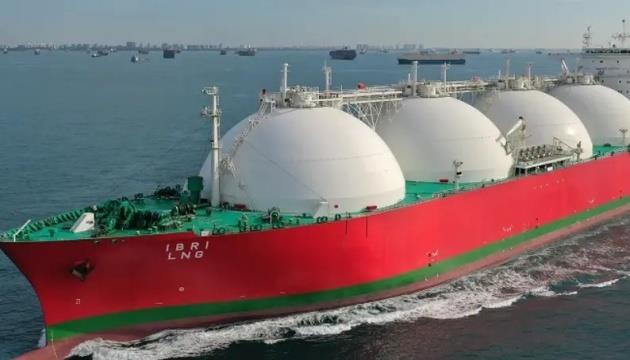
Photo via MarineTraffic

Legal Disclaimer:
MENAFN provides the
information “as is” without warranty of any kind. We do not accept any
responsibility or liability for the accuracy, content, images, videos,
licenses, completeness, legality, or reliability of the information
contained in this article. If you have any complaints or copyright issues
related to this article, kindly contact the provider above.
Comments
No comment