

States Where SNAP Utility Allowances Matter Most


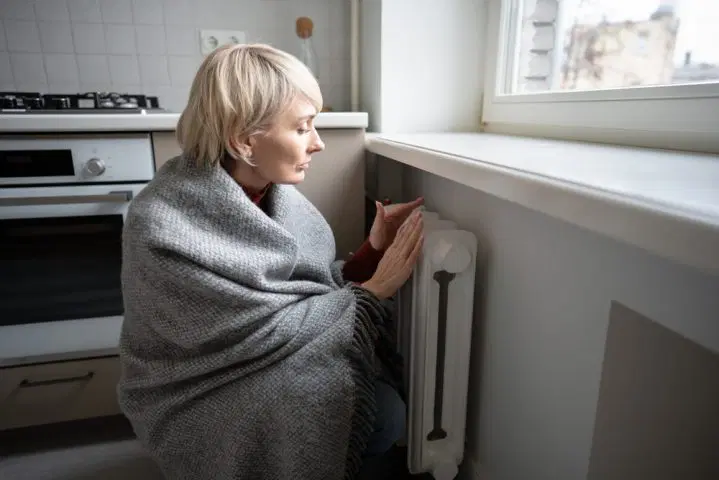
A heating bill can turn an already tight household budget into a monthly juggling act, which makes the SNAP utility allowance surprisingly important. Instead of always counting a household's exact utility bills, SNAP agencies can assign a Standard Utility Allowance, or SUA, when determining shelter expenses and calculating benefits.
That number can make a meaningful difference because higher allowable shelter expenses can reduce the income SNAP counts when determining benefits. But there is an important wrinkle: most households face a federal cap on the excess shelter deduction, so a gigantic SUA does not necessarily produce a gigantic SNAP increase. Here are eight states where the numbers stand out in 2026, along with the fine print that can make those allowances more or less valuable.
1. VermontVermont sits at the top of the list with a 2026 heating and cooling Standard Utility Allowance of $1,096 per month. The state uses the allowance in its 3SquaresVT calculations for households responsible for heating or cooling costs.
That figure looks enormous next to utility bills many households actually receive, and that is precisely the point of a standard allowance. A household does not need to spend exactly $1,096 every month to receive the standardized deduction when it qualifies for the heating or cooling allowance.
2. MassachusettsMassachusetts also gives utility costs considerable weight in SNAP calculations, with a heating or air-conditioning SUA currently listed at $914. The state's Department of Transitional Assistance updates its utility allowances to reflect changes in utility costs.
That can matter for a household paying separately for heat or air conditioning because the state credits the highest applicable SUA based on the utilities the household pays. Massachusetts also provides separate allowances for non-heating utilities and telephone service, giving households different paths depending on their setup.
3. New YorkNew York ranks near the top, with a heating and cooling allowance that can reach over $1,000 per month in New York City under the 2026 figures cited in current SNAP guidance. The state varies certain SUAs by location, which makes New York unusual compared with states that use one statewide figure.
That geographic wrinkle matters because utility costs can look very different from one part of the state to another. A household should therefore avoid assuming that a friend or relative elsewhere in New York receives the same utility allowance.
4. AlaskaAlaska's heating and cooling SUA reaches $895 per month, reflecting the unusually challenging utility environment that many households face across the state. Alaska also uses geographic categories for certain SNAP standards, so location can affect benefit calculations beyond the utility allowance itself.
The big takeaway involves more than cold weather, though. Alaska households already face different federal SNAP income and benefit standards than households in the contiguous states, so the utility allowance operates inside a broader set of state-specific and federal rules.
5. Rhode IslandRhode Island's heating and cooling SUA reaches $844 per month under its current rules. State regulations explain that the allowance covers a bundle of costs, including heating or cooling, cooking fuel, electricity, water, sewer, trash collection, and basic telephone service.
That bundled approach can simplify the calculation considerably. A household that qualifies for the SUA does not need to chase every individual utility charge through the SNAP calculation, although the household still needs to meet the state's requirements for receiving the allowance.
6. ConnecticutConnecticut lands on the list with a heating and cooling SUA of about $976 per month in 2026. That makes the allowance substantially larger than the amounts many households might expect from simply adding up one month's utility bills.
The distinction matters because an SUA represents a standardized expense rather than a promise that SNAP will reimburse the household for that amount. The allowance enters the shelter calculation, which then interacts with household income, rent or mortgage costs and the federal excess shelter rules.
7. OhioOhio's heating and cooling SUA reaches $766 per month. The state therefore gives utility expenses a substantial role in the shelter side of SNAP calculations, although the actual effect depends on the household's complete financial picture.
A household with low income and significant rent may see a different result from a household with higher income and modest housing costs. That distinction explains why two neighbors with identical utility bills can receive different SNAP amounts.
8. CaliforniaCalifornia rounds out the list with a heating and cooling SUA of $663 per month in the 2026 figures. CalFresh, California's SNAP program, uses standardized utility costs as part of its shelter calculation rather than simply treating every household's actual bill as the deciding number.
That can make the allowance valuable for households facing substantial housing costs, but the benefit calculation still depends on income and other allowable deductions. California also has broader SNAP eligibility rules in several areas, so the utility allowance represents only one piece of the larger eligibility puzzle.
A Bigger Utility Allowance Can Still Be a Big DealThe most important lesson from these states involves the way SNAP treats housing costs as a connected calculation rather than a collection of isolated bills. A high SUA can help lower countable income, but household income, housing expenses, household composition and the federal shelter-deduction rules ultimately determine how much that allowance matters.
For anyone applying or recertifying, the smart move involves reporting utility expenses accurately and checking the current rules rather than relying on an old benefits calculator or advice from a previous year. USDA requires states to review their SUA methodologies and update them according to federal requirements, so these figures can change.
Which state's SNAP utility allowance surprised you the most, and do you think standardized utility costs make SNAP calculations easier or more confusing? Share your thoughts in the comments.

Legal Disclaimer:
MENAFN provides the
information “as is” without warranty of any kind. We do not accept any
responsibility or liability for the accuracy, content, images, videos,
licenses, completeness, legality, or reliability of the information
contained in this article. If you have any complaints or copyright issues
related to this article, kindly contact the provider above.
Comments
No comment