

403
Sorry!!
Error! We're sorry, but the page you were looking for doesn't exist.
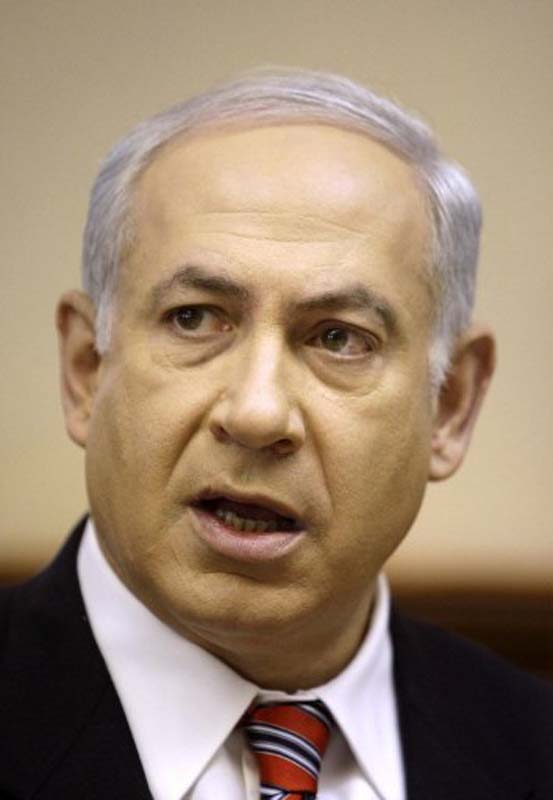
Netanyahu Faces Growing Pressure Ahead of Israeli Elections


(MENAFN) Israeli Prime Minister Benjamin Netanyahu faces increasing political pressure as his opponents strengthen their position with the parliamentary elections approaching.
The Knesset vote is scheduled for Oct. 27, while recent polling indicates that support for Netanyahu and his Likud party is weakening.
The election carries major significance for Netanyahu, who is dealing with ongoing corruption proceedings involving allegations of bribery, fraud and breach of trust. He also faces an International Criminal Court arrest warrant issued in 2024 over alleged war crimes and crimes against humanity linked to the Gaza Strip.
Remaining in office is viewed by Netanyahu as crucial to protecting his political future as his corruption trial continues before Israel’s Central Court. His strategy is therefore focused either on securing enough support to establish the next government or creating a political stalemate in which neither his bloc nor the opposition can form a coalition.
Such a deadlock could trigger another election and potentially allow Netanyahu to remain prime minister until a new government is established.
A recent poll by Israel’s public broadcaster shows that Netanyahu’s bloc would secure 52 seats if voting were held immediately. The non-Arab opposition would receive 55 seats, while Arab parties would win 13.
With the Knesset consisting of 120 seats, any political bloc needs the backing of at least 61 lawmakers to form a government.
The Knesset vote is scheduled for Oct. 27, while recent polling indicates that support for Netanyahu and his Likud party is weakening.
The election carries major significance for Netanyahu, who is dealing with ongoing corruption proceedings involving allegations of bribery, fraud and breach of trust. He also faces an International Criminal Court arrest warrant issued in 2024 over alleged war crimes and crimes against humanity linked to the Gaza Strip.
Remaining in office is viewed by Netanyahu as crucial to protecting his political future as his corruption trial continues before Israel’s Central Court. His strategy is therefore focused either on securing enough support to establish the next government or creating a political stalemate in which neither his bloc nor the opposition can form a coalition.
Such a deadlock could trigger another election and potentially allow Netanyahu to remain prime minister until a new government is established.
A recent poll by Israel’s public broadcaster shows that Netanyahu’s bloc would secure 52 seats if voting were held immediately. The non-Arab opposition would receive 55 seats, while Arab parties would win 13.
With the Knesset consisting of 120 seats, any political bloc needs the backing of at least 61 lawmakers to form a government.

Legal Disclaimer:
MENAFN provides the
information “as is” without warranty of any kind. We do not accept any
responsibility or liability for the accuracy, content, images, videos,
licenses, completeness, legality, or reliability of the information
contained in this article. If you have any complaints or copyright issues
related to this article, kindly contact the provider above.
Comments
No comment