

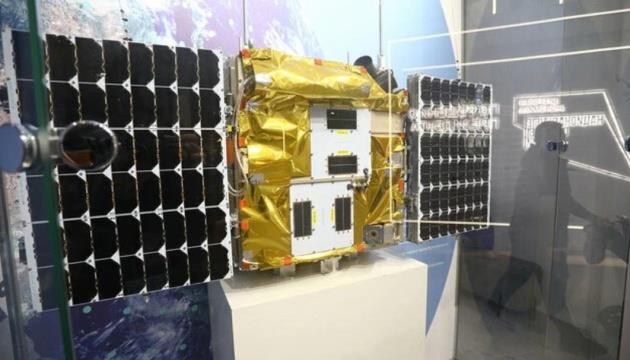
Russia Faces Space Setback In Rapid Deployment Of Starlink Analogue ISW


Many of these satellites were at altitudes of between 300 and 400 kilometers, and at least two satellites were heading toward Earth's atmosphere.
These altitudes are significantly below the planned operational altitude of 870 kilometers for the Rassvet satellites.
The report notes that satellites operating at lower altitudes have shorter service lives because of increased atmospheric drag from the upper layers of Earth's atmosphere and greater fuel consumption compared with satellites operating at higher altitudes.
Overall, only 12 of the 16 Rassvet satellites launched on March 24 had reached the expected altitude of 550 kilometers as of July 31. They remained at that altitude as of August 31.
These 12 satellites provided Russian forces with two daily communication windows with ground terminals over Ukraine, each lasting up to 1.5 hours.
See also: Flamingo strike on Russia:“Flash” Talks About Rassvet satellites and the rocket carrier that put them into orbit
As previously reported by Ukrinform, the Ukrainian authorities officially appealed to the International Telecommunication Union (ITU), a UN agency, asking it to exclude Ukrainian territory from the declared service areas of all coverage beams of Russia's military Rassvet satellite constellation across all frequency bands.
Photo via Serhii Flash/Facebook

Legal Disclaimer:
MENAFN provides the
information “as is” without warranty of any kind. We do not accept any
responsibility or liability for the accuracy, content, images, videos,
licenses, completeness, legality, or reliability of the information
contained in this article. If you have any complaints or copyright issues
related to this article, kindly contact the provider above.
Comments
No comment