

You're Probably Refrigerating At Least 3 Foods That Don't Need To Be In There


Opening the refrigerator door often triggers an automatic instinct to stash everything inside. Many home cooks assume that keeping items cold preserves freshness and prevents food waste. This habit leads people to crowd crisper drawers with goods that do not require refrigeration at all. Certain everyday staples actually suffer in quality when exposed to cold temperatures. Reassessing where you store your kitchen items protects their flavor and texture.
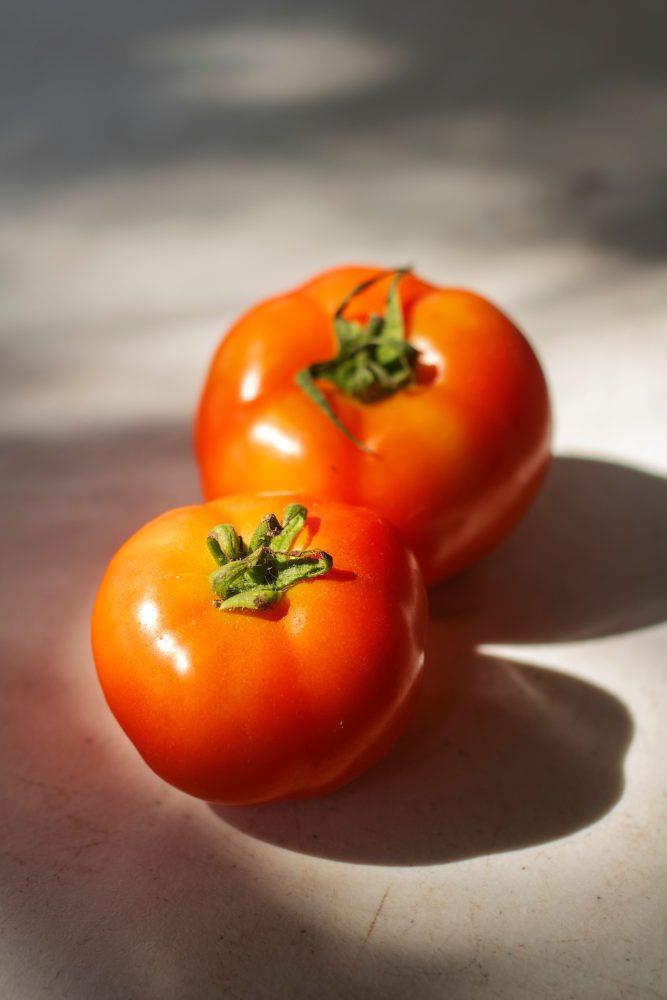
Tomatoes Lose Their Signature FlavorTomatoes represent the ultimate casualty of improper refrigerator storage. Exposing fresh tomatoes to cold air halts the chemical processes responsible for their rich flavor and vibrant aroma. Cold temperatures break down cell walls inside the fruit, resulting in a mealy texture and watery taste. Keeping tomatoes on the counter at room temperature preserves their natural profile. Proper counter storage ensures every bite tastes fresh and delicious.
Potatoes Sprout in the ColdStoring potatoes in the refrigerator creates unexpected chemical changes in the vegetable. The cold environment converts natural starches into sugars at an accelerated rate. This reaction alters the sweet flavor and causes potatoes to discolor during cooking. Furthermore, humidity inside the fridge encourages premature sprouting and rotting. Keeping potatoes in a cool, dark pantry extends their shelf life significantly.
Onions Turn Soft and MushyWhole unpeeled onions need proper airflow rather than chilling confines. Storing onions inside a refrigerator exposes them to excessive moisture and humidity. This trapped moisture softens the outer layers and invites mold growth very quickly. Onions prefer a well-ventilated space kept away from direct sunlight. Storing them in mesh bags in a pantry keeps them crisp and dry.
Honey Crystallizes Too QuicklyPlacing honey inside the refrigerator is unnecessary. Pure honey possesses natural preservatives that prevent spoilage indefinitely at room temperature. Exposing honey to cold refrigerator temperatures accelerates sugar crystallization. This chilling process turns smooth honey into a hard, grainy solid that requires reheating. Keeping honey in your pantry cabinet preserves its liquid texture.
Garlic Loses Its PotencyWhole heads of garlic belong in a dry, ventilated area rather than a chilling drawer. The cold environment inside a refrigerator mimics springtime weather conditions for the bulb. This false cue triggers the garlic to sprout green shoots and turn rubbery. Once garlic sprouts, the cloves lose their pungent flavor and dry out. Storing garlic properly on a pantry shelf maintains its culinary quality.
Bread Dries Out FasterMany people toss leftover bread into the fridge hoping to stop mold growth. The refrigerator environment actually speeds up starch retrogradation, making bread stale at an alarming rate. Cold air forces moisture out of the loaf and ruins the crumb structure. Storing bread in a breadbox or freezing slices protects the texture. Counter storage works best for short-term daily consumption.
Optimizing Your Kitchen StorageReevaluating your daily food storage habits prevents ruined flavors and wasted ingredients. Moving these common items out of the refrigerator restores their ideal taste and texture. Small adjustments to your kitchen routine make cooking much more rewarding.
What To Read NextHow Long Eggs Stay Fresh in the Refrigerator, According to USDA
The Refrigeration Rule Behind Rising Dairy Prices in 2026
6 Refrigerator Organization Hacks to Stop Wasting Food
11 Fresh Fruit Choices That Last Longer in Refrigerators
Stop Storing These 9 Items in the Refrigerator Door

Legal Disclaimer:
MENAFN provides the
information “as is” without warranty of any kind. We do not accept any
responsibility or liability for the accuracy, content, images, videos,
licenses, completeness, legality, or reliability of the information
contained in this article. If you have any complaints or copyright issues
related to this article, kindly contact the provider above.
Comments
No comment