

What Is Analogue Dairy? Zomato Bans Such Dishes To 'Safeguard Customer Health' And 'Uphold Clear Standards'


Restaurants that repeatedly become non-compliant may be removed from the platform entirely. The company says this action supports customer health, transparency and food quality.
Chief executive Aditya Mangla links the decision with Zomato's core mission. The mission is to provide better food to more people.
Also Read | Analogue paneer: How is it different from regular paneer? Price gap, home tests“That means safeguarding customer health and upholding clear standards for what's listed and served by our restaurant partners. This policy reflects that commitment, one we're taking together with partners who share it,” Mangla said in a statement.
Restaurants must immediately replace analogue ingredients with natural dairy products. Otherwise, they must remove affected dishes from their online menus.
Partners must carefully inspect supplier labels and ingredient declarations. Every Zomato description must correctly match the food actually served. The policy supports Zomato's wider push for healthier choices and clearer information.
The decision follows stronger regulatory action against misleading analogue products. Maharashtra, Gujarat and Chhattisgarh recently prohibited analogue paneer within their borders. However, FSSAI has not banned every dairy analogue nationwide.
Also Read | Beloved ice cream chain closes 46 US locations – Texas hit the hardestIts rules recognise some analogue categories and require specific names. Unstandardised products cannot use protected dairy names deceptively.
Businesses must clearly identify substitutes to help customers make informed choices. Therefore, Zomato's rule effectively goes beyond preventing misleading names. It excludes even declared analogue dairy dishes from the platform.
This creates one marketplace standard across participating Indian restaurants. Success will depend upon honest declarations, label checks, audits and enforcement.
What is analogue dairy?Analogue dairy refers to imitation foods resembling conventional milk products. Manufacturers partly or fully replace milk components with non-milk ingredients.
Common replacements include palm oil, vegetable fats, starches and plant proteins. Emulsifiers, stabilisers, thickeners, whiteners, flavours or preservatives may also be added. These ingredients copy dairy's taste, colour, texture, melting and cooking performance.
Common examples include analogue paneer, cheese, butter, cream and frozen desserts. Restaurants may choose them because they cost less and last longer.
Analogue products are not automatically unsafe because they contain vegetable ingredients. Risks increase with poor ingredients, hydrogenated fats, contamination or excessive processing.
Also Read | Jantar Mantar: People around India send food online for protesting studentsDeceptive naming creates another serious concern for consumers. People expecting dairy may receive different fats, proteins and nutritional value.
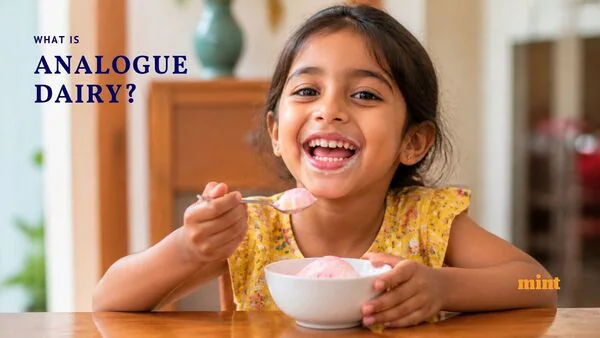
For example, many assume that the ice cream they consume is made from milk. However, it is possible that they are enjoying 'frozen dessert ' made of milk. The fact is that it is made of vegetable oil.
Clear labels are essential for allergies, diets, nutrition and informed purchasing. Customers should read ingredient lists and check whether milk fat was replaced.
Low prices, unusual texture or suspicious melting may raise questions. However, home tests cannot reliably confirm safety or composition. Independent laboratory testing and regulatory inspection provide far stronger evidence.

Legal Disclaimer:
MENAFN provides the
information “as is” without warranty of any kind. We do not accept any
responsibility or liability for the accuracy, content, images, videos,
licenses, completeness, legality, or reliability of the information
contained in this article. If you have any complaints or copyright issues
related to this article, kindly contact the provider above.
Comments
No comment