

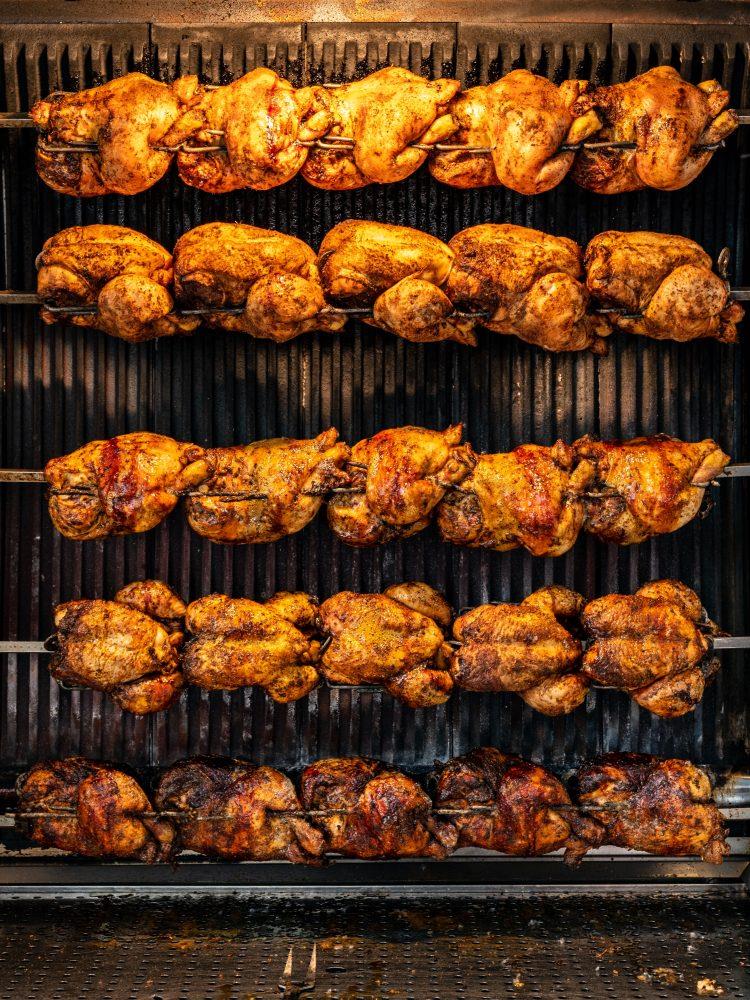
Why Grocery Stores Sell Rotisserie Chickens So Cheap - And What They Hope You Buy With It


Walking past the deli department right around dinnertime makes it nearly impossible to resist the magnetic pull of the warm rotisserie chicken display. For around five to seven dollars, you get a fully cooked, tender, and savory meal that requires zero kitchen prep. In an era where food inflation constantly strains household budgets, the rotisserie chicken stands out as one of the last true bargains in the modern supermarket. It feels almost impossible that a grocery store can raise, cook, package, and sell an entire bird for less than the price of a raw chicken in the meat aisle. That lingering pricing mystery is entirely intentional.
The Classic Loss Leader StrategyThe secret behind the aggressively low price of a rotisserie chicken is a retail tactic known as a loss leader. Supermarkets intentionally price certain high-demand items below cost to draw shoppers through their sliding doors. Executives know that very few people will drive to a store solely to buy a single five-dollar chicken and leave empty-handed. By offering an unbeatable deal on a universally desired staple, the store guarantees high customer traffic and foot volume that translates to overall sales growth.
Luring You Past the High-Margin PerimeterOnce you grab that warm, aromatic bag from the deli case, your journey through the store is far from over. Supermarkets position their hot rotisserie stations in the far rear corners or along the deep perimeter of the building. To secure your cheap chicken and head toward the cash registers, you are forced to walk a gauntlet of profitable departments. Every step of that mandatory trek exposes you to high-margin impulse opportunities designed to offset the deli department's financial loss.
What They Hope You Buy Along the WayWhile you originally planned on a quick, cheap dinner, the grocery store is banking on you rounding out your meal with complementary items. As you carry your warm chicken, your brain naturally starts seeking side dishes to match. Stores place pre-packaged side salads, refrigerated macaroni and cheese, bottled barbecue sauces, and artisan dinner rolls directly adjacent to the rotisserie warmers. Furthermore, grabbing a bottle of wine, fresh bakery dessert, or pre-cut vegetables along the way quickly turns a budget-friendly protein into a twenty-dollar shopping cart.
The Economics of Prepared Food ProcessingYou might wonder how stores can afford to sell these birds so cheaply without going bankrupt. The answer lies in inventory management and supply chain logistics. Grocery chains often use chickens approaching their sell-by dates in the raw meat department. They cook them down into rotisserie birds to eliminate food waste and recoup costs. Additionally, high-volume preparation and commercial ovens allow delis to process lots of birds simultaneously with minimal labor overhead. This keeps operational expenses remarkably low.
Outsmarting the Deli Aisle TrapEnjoying the unbeatable value of a grocery store rotisserie chicken does not mean you have to fall for upselling. Heading straight to the back, grabbing your bird, and walking to the register protects your budget from impulse add-ons. Smart shopping means taking advantage of retailer discounts without letting their floor plans dictate your receipt.
What To Read NextRotisserie Chicken Isn't Always a Healthy Shortcut-Here's Why
Is Costco's Rotisserie Chicken Still the Best Grocery Deal in 2025?
Why Everyone Is Obsessed with Costco's Rotisserie Chicken
The $3 Rule: Which Grocery Convenience Upgrades Are Actually Worth Paying For?
7 Free Samples and Freebies Hiding in Your Grocery App

Legal Disclaimer:
MENAFN provides the
information “as is” without warranty of any kind. We do not accept any
responsibility or liability for the accuracy, content, images, videos,
licenses, completeness, legality, or reliability of the information
contained in this article. If you have any complaints or copyright issues
related to this article, kindly contact the provider above.
Comments
No comment