

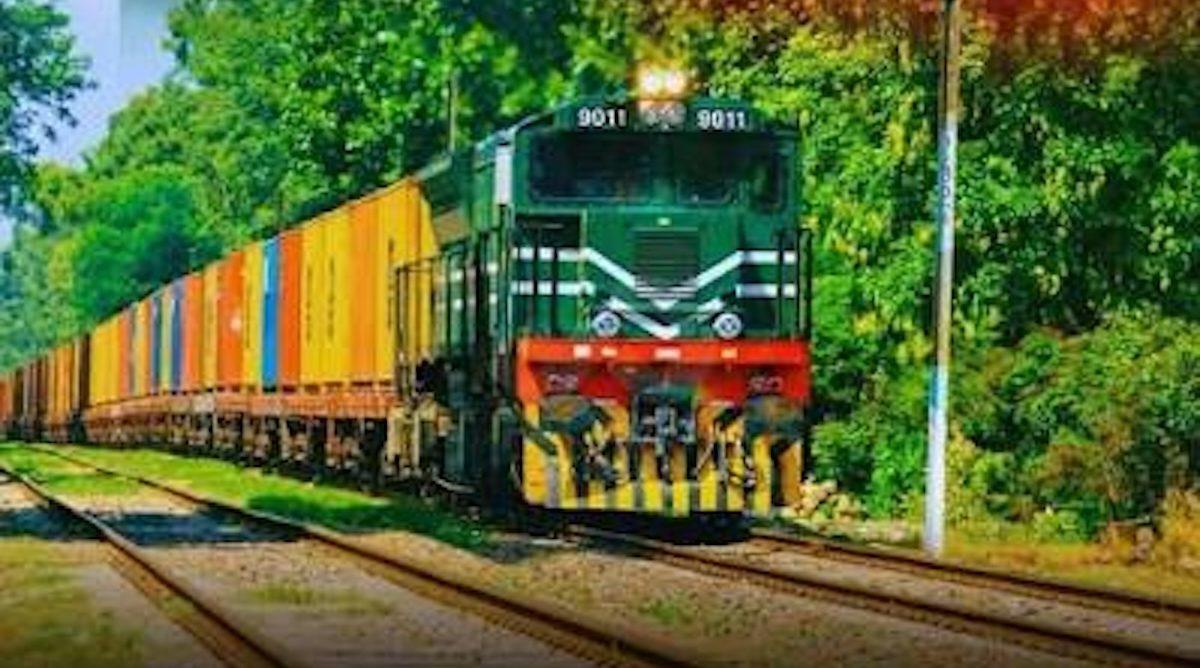
Minsk-Karachi Railway Shows Eurasia's Quiet Geopolitical Rewiring


The project, revealed by Pakistan's ambassador to Russia, would be a new branch of the International North-South Transport Corridor (INSTC). It aims to connect Russia and Belarus to Pakistan's Arabian Sea ports via Iran. There are still many technical challenges. The missing Rasht-Astara railway in northern Iran makes continuous rail transit difficult, and different rail gauges in Russia, Iran, and Pakistan create expensive transshipment or gauge-changing needs. Even the best estimates suggest it will take several years before smooth operations are possible.
However, the geopolitical implications of the corridor are already significant.
For Moscow, this railway is another way to lessen dependence on transport networks that are vulnerable to Western sanctions. Since 2022, Russia has actively diversified its trade routes towards Asia, with the INSTC becoming a key infrastructure focus for the Kremlin. Russian Transport Minister Andrey Nikitin reported that freight volumes along the International North-South Transport Corridor increased by 87% in the first four months of 2026. This reflects Moscow's strong shift towards southern markets.
Belarus, increasingly cut off from European markets, sees access to Pakistan as an alternative route for exporting fertilizers, machinery, and food products. More importantly, it places Minsk deeper into a logistics network led by Russia that is gradually separating from Europe.
Pakistan, on the other hand, gains something even more valuable than new trade opportunities. It gains strategic options.

Legal Disclaimer:
MENAFN provides the
information “as is” without warranty of any kind. We do not accept any
responsibility or liability for the accuracy, content, images, videos,
licenses, completeness, legality, or reliability of the information
contained in this article. If you have any complaints or copyright issues
related to this article, kindly contact the provider above.
Comments
No comment