

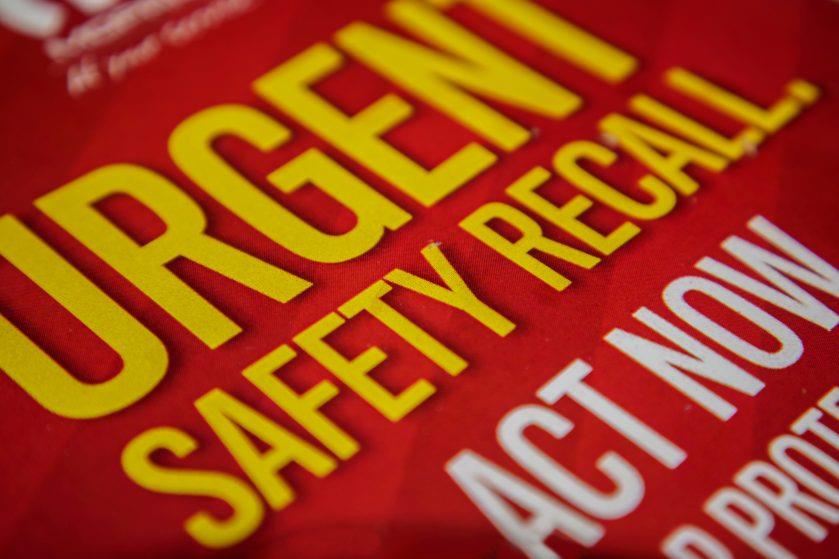
Why Does It Feel Like Everything Is Being Recalled In 2026?


It is hard to walk down the supermarket aisle lately without wondering if anything in your cart is safe. From fresh produce and soft cheeses to eggs and packaged snacks, the steady stream of headlines regarding Salmonella, E. coli, and multi-state contamination warnings makes it feel like the entire food supply chain is unraveling. While the total number of annual recalls sits within a relatively normal historical range, several distinct factors explain why the current landscape feels so overwhelming and why the volume of affected food is drawing intense scrutiny.
High-Volume Contaminations and Complex Supply ChainsWhile the sheer frequency of recall announcements is fairly standard, the scale of what is being pulled is notably large. Modern agriculture and food manufacturing rely heavily on centralized processing and massive distribution networks. When a single large supplier-such as a major dairy distributor, a large-scale egg producer, or an international produce distributor-discovers a pathogen like Salmonella or Listeria, that single source feeds into dozens of downstream brands, private labels, and pre-made meal kits. One upstream failure cascades into dozens of secondary recalls across nationwide grocery chains, creating an illusion of widespread, unrelated chaos.
Faster, Sharper Surveillance TechnologyIronically, part of the reason we see more recalls is that our detection tools are getting better. Federal and state health agencies now use advanced genetic sequencing to track foodborne pathogens. Public health labs can connect a localized cluster of illnesses in one state to a contaminated ingredient processed many miles away much faster than was possible a decade ago. Better tracking means authorities catch contaminated batches quicker, leading to swift public warnings before an outbreak spreads even further.
Hyper-Connected Media and Notification LoopsIn the past, a food recall might have been a small blurb buried on page four of the local newspaper or a tiny sign taped to a customer service desk. Today, food safety alerts travel at digital speed. Push notifications from news outlets, viral social media breakdowns, and targeted grocery app alerts ensure that consumers hear about every single recall instantly. This constant stream of alerts keeps food safety top of mind, amplifying the perception that the frequency of safety failures is high.
Strain on Inspection and Regulatory FrameworksWhile detection technology has improved, the regulatory safety net faces persistent challenges. Federal and state health departments have experienced funding and staffing pressures over recent years. When oversight agencies are stretched thin, routine facility inspections and preventive audits can experience bottlenecks. Experts note that a strained inspection framework can allow contamination issues to persist longer before being flagged during routine checks, resulting in larger, more disruptive recalls once they are finally uncovered.
Navigating the Grocery Aisles SafelyFinding out your favorite snacks or weekly produce staples are part of a safety alert is frustrating, but it does not mean you have to panic or abandon fresh foods. The system is ultimately working to pull contaminated items off shelves before they cause widespread harm. The best defense is maintaining a simple habit: periodically check official public health databases like the FDA or USDA recall pages, look up batch numbers if a broad warning hits your region, and trust that a little extra kitchen vigilance goes a long way.
What To Read NextNearly 19 Million Eggs Recalled as FDA Warns of Potentially Deadly Salmonella Risk
Oma's Pride Recalls Raw Dog Food After Salmonella Found, 3 Illnesses Reported
What to Know About Store-Brand Recall Checks Shoppers Often Forget
Popular Schwarzkopf Hair Mousse Recalled Nationwide Over Risk Cans Could Explode
6 Recall Alerts Shoppers Should Check Before Stocking the Freezer
Legal Disclaimer:
MENAFN provides the
information “as is” without warranty of any kind. We do not accept any
responsibility or liability for the accuracy, content, images, videos,
licenses, completeness, legality, or reliability of the information
contained in this article. If you have any complaints or copyright issues
related to this article, kindly contact the provider above.
Comments
No comment