

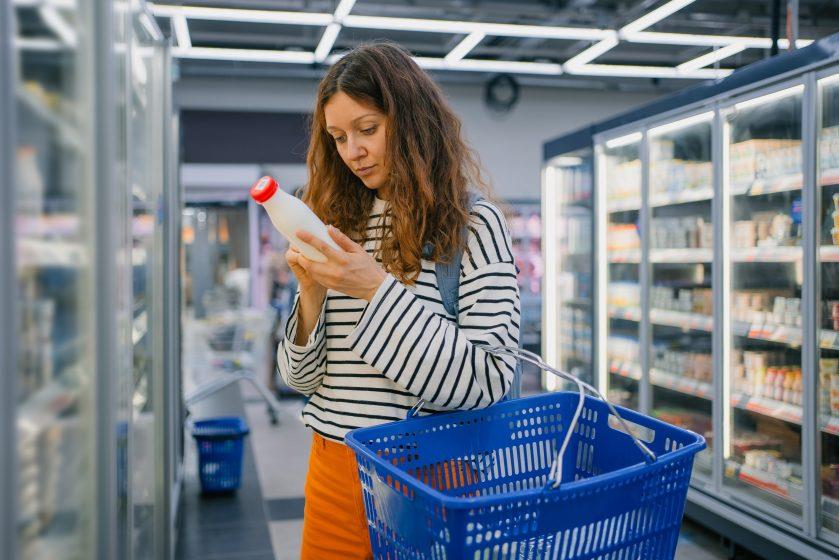
Why Does The Grocery Store Put Milk So Far From The Front Door?


Walking all the way to the back of the supermarket to grab a single gallon of milk feels like a workout. Grocery store floor plans are not organized by accident or convenience. Instead, supermarket layouts are meticulously engineered using a careful mix of consumer psychology, store design strategy, and heavy-duty logistics. That long, frustrating trek past endless displays of cereal, candy, and seasonal merchandise is a deliberate choice. Its goal is to influence your behavior from the moment you step inside.
The Classic Marketing StrategyThe most well-known reason behind the back-of-the-store dairy placement is pure retail psychology. Milk is one of the ultimate high-frequency grocery staples. Many shoppers go to the store exclusively to buy it for their morning routines. By placing essential dairy items in the far corner, supermarkets ensure you walk past aisles filled with higher-margin goods, colorful end-cap displays, and tempting impulse items. Walking that path significantly increases the likelihood that you will toss a few extra snacks, treats, or unplanned items into your shopping cart before you ever reach checkout.
Logistics and Refrigeration ScienceWhile sales strategy gets the most attention from frustrated shoppers, store planners also face massive structural and architectural realities that make the back wall the most practical spot for dairy. Milk is an extremely perishable commodity that is highly sensitive to temperature fluctuations and spoilage. Delivery trucks pull right up to loading docks at the back of the building. This means heavy pallets of milk can be transferred directly into the store's giant walk-in refrigeration units with minimal exposure to room temperature and outside heat.
Efficient Restocking and Building InfrastructureSupermarkets must constantly restock milk and other dairy products throughout the day to keep shelves full. Most modern dairy display cases are engineered specifically to load from behind using sliding doors situated inside the walk-in cooler. This clever design keeps busy employees safely out of the way of shoppers during peak hours. Furthermore, running massive refrigerant lines from the building's core mechanical units is far more efficient and cost-effective along exterior perimeter walls than tearing up concrete floors to pipe cold air into the middle of the building.
Understanding why milk lives in the back helps you stay mindful of your spending habits. When a quick trip for dairy turns into a trek across the entire store, keep a tight grip on your shopping list.
What To Read NextThe Grocery Store Layout Trick That Costs You $20 Every Trip
6 Sneaky Grocery Store Layout Tricks Designed to Make You Spend More
Why Grocery Stores Keep Rearranging Their Layout (and It's Not for Fun)
9 Store Layout Secrets That Influence What You Grab First
What Grocery Store Layout Changes Do to Your Brain?

Legal Disclaimer:
MENAFN provides the
information “as is” without warranty of any kind. We do not accept any
responsibility or liability for the accuracy, content, images, videos,
licenses, completeness, legality, or reliability of the information
contained in this article. If you have any complaints or copyright issues
related to this article, kindly contact the provider above.
Comments
No comment