

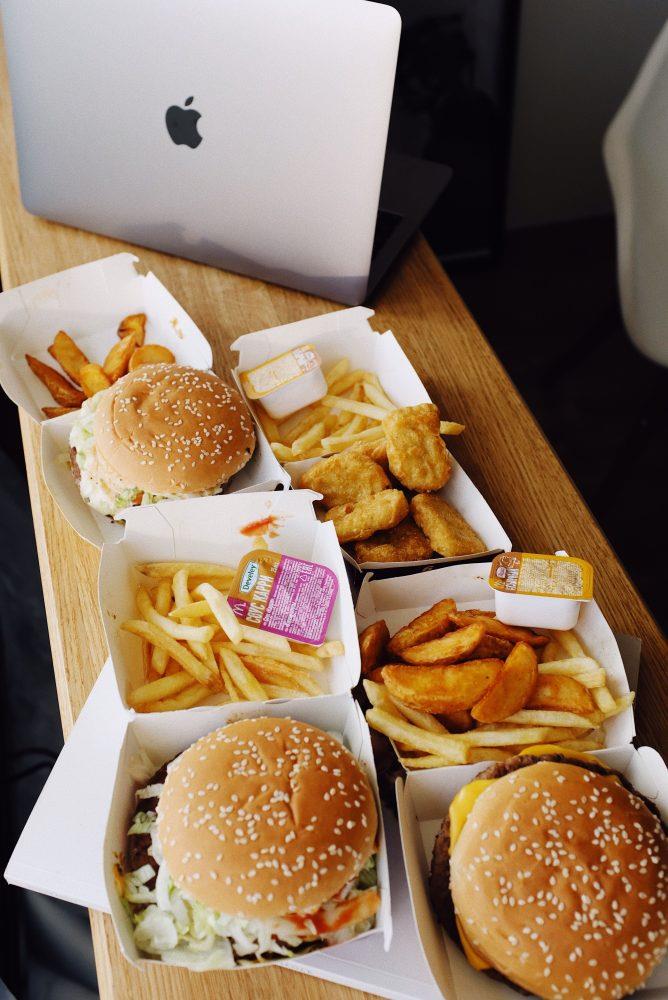
Why Does Fast Food Cost Almost As Much As A Sit-Down Meal Now?


For decades, fast food relied on a simple and unbreakable promise: you accepted the paper bag, the drive-thru window, and the lack of ambiance in exchange for rock-bottom prices. You could feed a family or grab a quick bite for pocket change. Over recent years, that foundational bargain completely dissolved. Menu prices climbed steadily, turning what used to be a cheap impulse purchase into a surprisingly steep bill. When a standard combo meal starts rivaling the cost of a casual diner or a sit-down restaurant chain, consumers are left wondering how the math got so distorted.
Skyrocketing Labor and Operational CostsThe primary driver behind surging fast-food prices is the sharp rise in operating expenses, particularly labor and supply chains. Quick-service restaurants rely on large, continuous workforces, and minimum wage hikes across many states have pushed corporate and franchise payrolls to historic highs. Furthermore, fast-food chains are tethered to massive real estate footprints, expensive commercial kitchen equipment, and rising food commodity expenses. To maintain profit margins amidst these cumulative pressures, corporate chains passed those costs directly onto everyday consumers through aggressive price hikes.
The Unbundling of the MealAnother major reason fast food feels increasingly expensive is how the modern pricing structure has changed. Traditional fast-food marketing trained customers to look at a low base price for a single burger or sandwich, but the actual cost explodes the moment you start building a complete meal. Fries, drinks, and dipping sauces are now priced individually as high-margin add-ons rather than inclusive combo components. Ordering a drink and a side for everyone in the car can quietly push a fast-food run into a surprisingly costly ordeal.
How Casual Dining AdaptedWhile fast-food giants focused on premium pricing, casual dining restaurants and local diners moved in the opposite direction to capture budget-conscious crowds. Casual chains introduced aggressive lunch specials, bundled multi-course packages, and everyday value deals that include appetizers, entrees, and sides for a flat fee. Furthermore, sit-down restaurants soften the financial blow with perks like free drink refills and table service. When a casual restaurant burger and a plate of fries cost roughly the same as a drive-thru bag, fast food loses its core economic advantage.
Re-Evaluating the Cost of ConvenienceThe blurring financial line between fast food and sit-down dining marks a major shift in consumer culture. When speed is no longer paired with major savings, convenience becomes a luxury item rather than a budget backup plan. Paying attention to what you actually get for your money helps you decide when convenience is truly worth the price.
What To Read NextWhy Premium Supermarkets Are Becoming the New Weekend Dining Destination
Atlanta Dining Update Busy Bee Cafe Expansion Moves Into Atlantic Station
8 English Dining Etiquette Rules Tourists Often Get Wrong
11 Dining Spots Where the Decor Is Better Than the Food
8 Dining Faux Pas That Can Damage Your Reputation with a Restaurant

Legal Disclaimer:
MENAFN provides the
information “as is” without warranty of any kind. We do not accept any
responsibility or liability for the accuracy, content, images, videos,
licenses, completeness, legality, or reliability of the information
contained in this article. If you have any complaints or copyright issues
related to this article, kindly contact the provider above.
Comments
No comment