

403
Sorry!!
Error! We're sorry, but the page you were looking for doesn't exist.
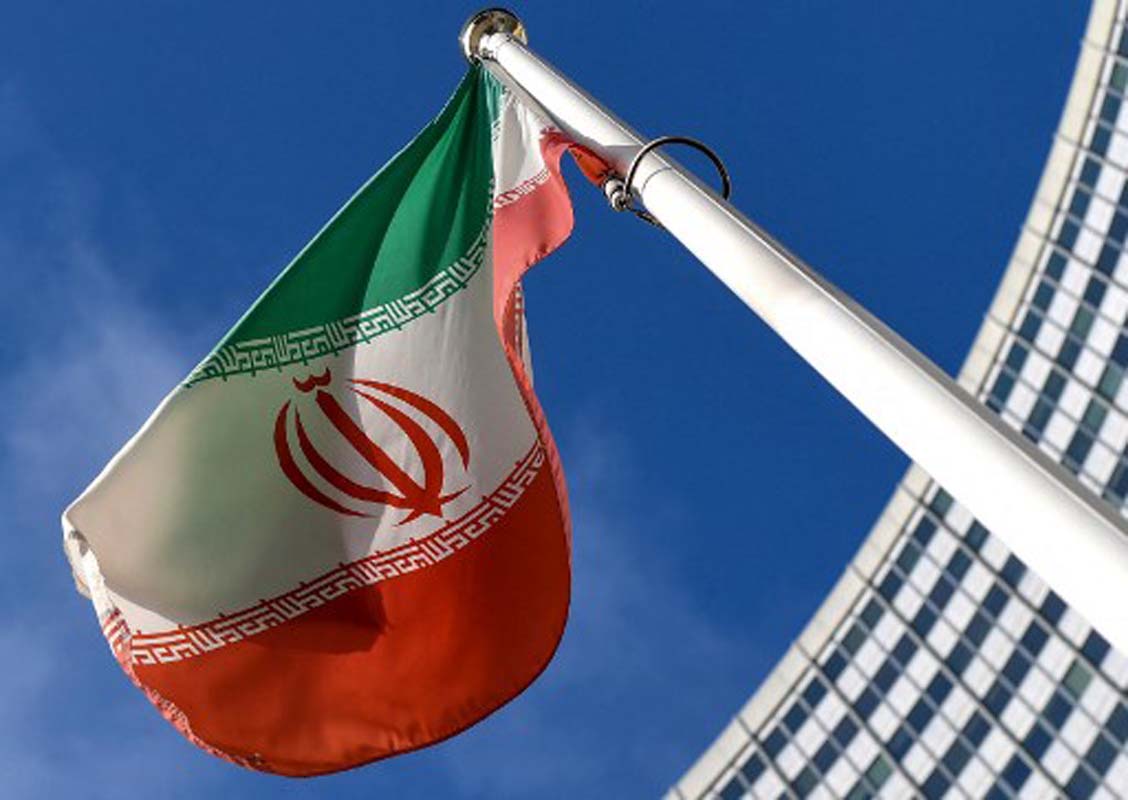
Iran's Pezeshkian Warns Trump Against Stoking 'Turmoil'


(MENAFN) Iranian President Masoud Pezeshkian called on Saturday for US President Donald Trump to steer clear of provoking further unrest, arguing that outstanding disputes can be settled through negotiation and adherence to an existing memorandum of understanding.
"If we proceed through dialogue and on the basis of the memorandum of understanding, we will resolve the problems and secure our rights," Pezeshkian said during a ceremony in Tehran, as cited by a news agency.
"It is in the interest of the country, the region and the world that Trump does not create turmoil and that Israel does not cause insecurity and aggression," he added.
While insisting Iran has no appetite for conflict, Pezeshkian warned that any attack would be met with a forceful response. "We do not like war, but we will stand with strength against aggression and defend ourselves," he said, adding that no outside power could compel a unified nation determined to defend its territory to back down.
He said Tehran remains committed to resolving disputes through dialogue, but made clear that Iran's people, government officials and military leadership would "never surrender" in the face of threats or hostility.
Pezeshkian also accused Israel of working to sow discord among Muslim-majority nations, arguing that stronger unity across the Islamic world could blunt such efforts.
On the domestic front, the president said sustaining industrial output through the coming winter is a "red line," insisting that gas, electricity and water supplies to production facilities must not be cut off. He said the government would manage overall consumption of water, electricity, gas and fuel, and that if rationing became unavoidable, restrictions would fall first on government offices and public buildings rather than on ordinary citizens.
Pezeshkian urged the public to work with the government to preserve stability, saying Iran's adversaries should not assume that pressure could force the country into submission.
The US-Israeli military campaign against Iran began on Feb. 28, striking military, nuclear and infrastructure sites nationwide; Iran retaliated with missile and drone strikes against Israeli and US military targets across the region.
In June, Iran and the United States — with mediation from Pakistan and Qatar — reached a 14-point memorandum of understanding intended to halt hostilities and open a 60-day window for talks toward a more comprehensive deal. The agreement also covered the reopening of the Strait of Hormuz, the lifting of the US naval blockade, sanctions relief and the release of Iran's frozen assets.
Tehran maintains that further diplomatic progress hinges on Washington meeting its obligations under the memorandum, with Iranian officials saying the Strait of Hormuz will not fully reopen until those commitments are fulfilled.
"If we proceed through dialogue and on the basis of the memorandum of understanding, we will resolve the problems and secure our rights," Pezeshkian said during a ceremony in Tehran, as cited by a news agency.
"It is in the interest of the country, the region and the world that Trump does not create turmoil and that Israel does not cause insecurity and aggression," he added.
While insisting Iran has no appetite for conflict, Pezeshkian warned that any attack would be met with a forceful response. "We do not like war, but we will stand with strength against aggression and defend ourselves," he said, adding that no outside power could compel a unified nation determined to defend its territory to back down.
He said Tehran remains committed to resolving disputes through dialogue, but made clear that Iran's people, government officials and military leadership would "never surrender" in the face of threats or hostility.
Pezeshkian also accused Israel of working to sow discord among Muslim-majority nations, arguing that stronger unity across the Islamic world could blunt such efforts.
On the domestic front, the president said sustaining industrial output through the coming winter is a "red line," insisting that gas, electricity and water supplies to production facilities must not be cut off. He said the government would manage overall consumption of water, electricity, gas and fuel, and that if rationing became unavoidable, restrictions would fall first on government offices and public buildings rather than on ordinary citizens.
Pezeshkian urged the public to work with the government to preserve stability, saying Iran's adversaries should not assume that pressure could force the country into submission.
The US-Israeli military campaign against Iran began on Feb. 28, striking military, nuclear and infrastructure sites nationwide; Iran retaliated with missile and drone strikes against Israeli and US military targets across the region.
In June, Iran and the United States — with mediation from Pakistan and Qatar — reached a 14-point memorandum of understanding intended to halt hostilities and open a 60-day window for talks toward a more comprehensive deal. The agreement also covered the reopening of the Strait of Hormuz, the lifting of the US naval blockade, sanctions relief and the release of Iran's frozen assets.
Tehran maintains that further diplomatic progress hinges on Washington meeting its obligations under the memorandum, with Iranian officials saying the Strait of Hormuz will not fully reopen until those commitments are fulfilled.

Legal Disclaimer:
MENAFN provides the
information “as is” without warranty of any kind. We do not accept any
responsibility or liability for the accuracy, content, images, videos,
licenses, completeness, legality, or reliability of the information
contained in this article. If you have any complaints or copyright issues
related to this article, kindly contact the provider above.
Comments
No comment