

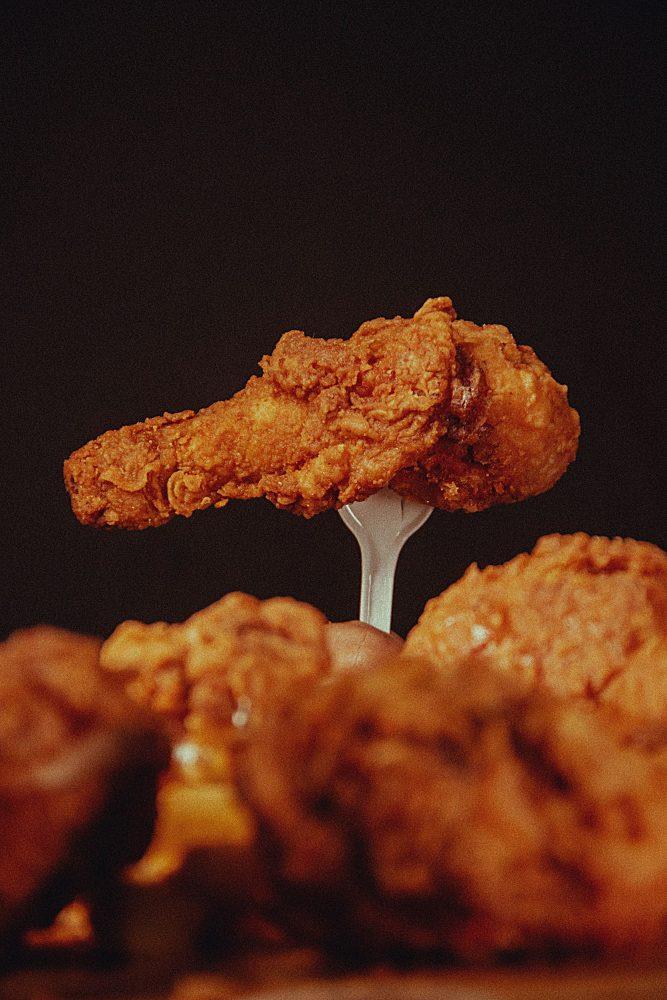
Why Restaurant Fried Chicken Tastes Better Than Yours - 7 Steps That Make The Difference


Have you ever pulled a batch of golden chicken pieces from your skillet, only to find the coating soggy and the meat dry? Restaurant fried chicken achieves a shatteringly crisp exterior and an impossibly juicy interior that home cooks often struggle to replicate. Commercial kitchens rely on precise oil temperature control, specialized batters, and high-pressure fryers that lock in moisture instantly. Mastering these professional techniques in your own kitchen is entirely possible once you understand the core secrets of the trade. I will examine seven essential steps that bridge the gap between amateur cooking and restaurant-quality results.
The Power of a Long Buttermilk BrineThe secret to exceptionally tender fried chicken begins hours before the bird ever touches hot oil. Commercial kitchens always soak their chicken in an acidic brine, usually featuring cultured buttermilk seasoned with salt and spices. The mild lactic acid in the buttermilk breaks down tough muscle fibers, resulting in melt-in-your-mouth tenderness. Furthermore, this acidic soak acts as a magnetic binder, ensuring your seasoned flour clings tightly to the chicken instead of sliding off in the skillet. Skipping this crucial resting period is the primary reason homemade chicken lacks deep flavor and moisture.
Double Dredging for Maximum TextureIf your homemade chicken coating feels thin and powdery after frying, you are likely missing the double-dredge technique. Restaurants build a rugged, multi-layered crust by dipping the brined chicken into seasoned flour, passing it back through a liquid wash, and coating it in flour a second time. This secondary layer creates microscopic pockets and ridges that turn ultra-crisp during frying. Without this double application, the batter simply dissolves into the oil, leaving behind bare, greasy patches on the meat.
Allowing the Crust to RestOne of the most common home cooking mistakes is tossing freshly breaded chicken straight into the sizzling skillet. When you coat chicken in flour and fry it immediately, the dry crust falls apart because moisture on the meat's surface hasn't bonded with the starch. Professional chefs always place their breaded pieces on a wire rack to rest for fifteen to twenty minutes before cooking. This resting period lets the flour hydrate fully, forming a secure, skin-like crust that stays intact throughout the frying process.
Maintaining Precise Oil TemperaturesTemperature management separates a master fry cook from an amateur home cook. When you drop cold chicken into a skillet, the oil temperature plummets instantly, causing the breading to absorb grease instead of frying. Restaurants use heavy-duty deep fryers equipped with powerful heating elements that recover heat immediately. To mimic this at home, you must use a reliable candy or deep-fry thermometer, keeping your oil locked between 325 and 350 degrees Fahrenheit. If your oil gets too hot, the crust burns before the bone-in meat cooks through; if it is too cool, you get greasy, heavy chicken.
Choosing the Right High-Smoke OilThe type of fat you use in your Dutch oven plays a big role in both flavor and texture. Many home cooks make the mistake of using butter or extra virgin olive oil, which burn and smoke at low temperatures. Restaurants rely on neutral, high-smoke-point oil like refined peanut oil, lard, or canola oil. Peanut oil imparts a clean, nutty background note that enhances the savory spices without overpowering the poultry. Using the correct cooking fat ensures your chicken develops an even, golden-brown crust without scorched off-flavors.
Overcrowding the PanPatience is an absolute virtue when frying chicken on your stovetop. Tossing all your pieces into a single skillet at once drops the oil temperature drastically and traps steam beneath overlapping crusts. Restaurants fry in massive vats that give every single piece of chicken plenty of personal space to circulate. Always cook your chicken in manageable batches, and ensure the oil maintains a steady temperature and the crusts crisp up evenly on every side.
Draining on a Wire Rack Instead of Paper TowelsThe final step is where many well-cooked batches of fried chicken are tragically ruined. Plucking hot chicken straight from the oil and placing it flat on paper towels traps steam underneath the bottom crust. As the steam condenses, it ruins your crisp exterior and turns the bottom half soggy. Professional kitchens always transfer fried foods directly onto a wire cooling rack set over a baking sheet. Air circulation underneath the chicken allows excess oil to drip away while keeping the entire crust remarkably crunchy.
Mastering Professional Techniques at HomeAchieving restaurant-quality fried chicken does not require commercial kitchen equipment, just an adherence to proven culinary steps. By prioritizing a proper buttermilk brine, managing your oil temperature, and ditching paper towels for wire racks, you elevate your home cooking instantly. Intentional preparation turns a frustrating kitchen experiment into a guaranteed family favorite.
What To Read NextFrozen Chicken Warning Why Some Products Contain Up to 12 Percent Added Solution
The $4.99 Costco Chicken Mystery How It Is Still That Cheap in 2026
Should You Really Wash Chicken Before You Cook It? The Real Answer May Surprise You
Who Truly Has The Best Fast Food Chicken Sandwich?
7 Things Popeye's Doesn't Want You to Know About Their Chicken

Legal Disclaimer:
MENAFN provides the
information “as is” without warranty of any kind. We do not accept any
responsibility or liability for the accuracy, content, images, videos,
licenses, completeness, legality, or reliability of the information
contained in this article. If you have any complaints or copyright issues
related to this article, kindly contact the provider above.
Comments
No comment