

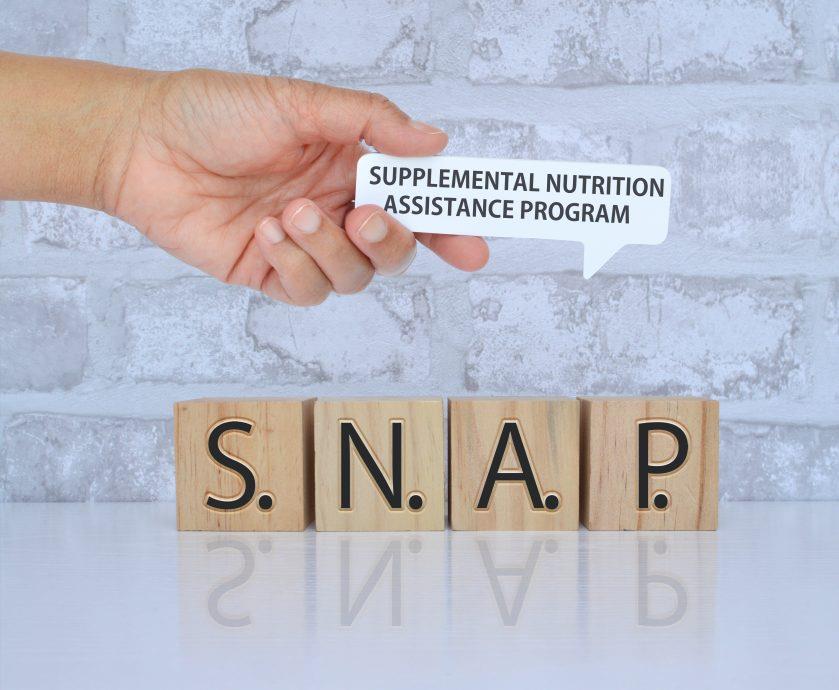
5.6 Million Fewer Americans Are Receiving SNAP - Here's Where Enrollment Fell Most


For many American households, the Supplemental Nutrition Assistance Program serves as a vital economic safety net for putting food on the table. During the peak of pandemic-era policy changes, program enrollment swelled to historic highs as expanded eligibility rules and emergency allotments kept food insecurity at bay. Over the past year, however, that landscape has transformed dramatically. Federal data reveals that approximately 5.6 million fewer Americans are receiving SNAP benefits today compared to peak participation numbers. This massive contraction in enrollment has left anti-hunger advocates and policy experts scrambling to understand where the cuts hit hardest.
The End of Pandemic-Era WaiversThe primary driver behind this sharp enrollment drop is the expiration of temporary federal policies that kept millions more people eligible during public health emergencies. When the national emergency declaration officially ended, states reinstated pre-pandemic eligibility rules, work requirements, and regular asset tests. Furthermore, the termination of emergency SNAP allotments reduced monthly benefit amounts for remaining recipients, pushing many households below the income threshold or prompting them to stop recertifying altogether. For working families whose wages rose slightly due to inflation, even modest cost-of-living pay bumps suddenly disqualified them from assistance.
States Experiencing the Steepest Enrollment DeclinesThe contraction in food stamp participation has not been distributed evenly across the country. States with strict legislative mandates and aggressive administrative redetermination processes saw the most dramatic rollbacks in enrollment. Southern and Midwestern states, in particular, experienced massive percentage drops as officials rushed to clear active caseloads. States like Texas, Florida, Georgia, and Ohio reported many individuals losing benefits within a matter of months. Conversely, states that maintained more flexible administrative buffers saw smaller, more gradual declines in overall participation numbers.
The Administrative Hurdle of RecertificationBeyond strict policy changes, the bureaucratic process of recertification has proven to be a major obstacle for eligible participants. When states resumed routine annual renewals, lots of households faced confusing paperwork, long wait times at local casework offices, and stringent documentation demands. Many working parents and elderly individuals missed renewal deadlines simply due to administrative fatigue or communication gaps. As a result, a significant portion of the enrollment drop represents administrative churn rather than a genuine disappearance of financial need.
The Ripple Effect on Grocery Retailers and Food BanksThe sudden removal of participants from the SNAP rolls has created immediate downstream shockwaves across local communities. Independent grocers and supermarket chains that relied on steady electronic benefit transfer spending are seeing noticeable volume dips in low-income neighborhoods. Meanwhile, local food pantries and charitable soup kitchens report an immediate surge in foot traffic. Families who no longer qualify for government assistance are turning to community food banks to bridge the gap between their paychecks and rising grocery store totals.
Navigating the Post-Pandemic Assistance LandscapeThe rapid contraction of SNAP enrollment highlights the fragile balance between government support and household food security in an inflationary economy. Understanding the structural shifts behind these numbers sheds light on the real challenges facing modern consumers. Building a secure household budget requires staying informed about changing policy rules and community resource networks.
What To Read NextUSDA Extends Comment Deadline on Plan to Cut Federal Share of SNAP Administrative Costs
What to Know About SNAP Shopping Habits That Can Make Benefits Last Longer Without Skipping Meals
USDA Reports 10.62% SNAP Payment Error Rate for FY 2025, Triggering New Financial Penalties for States
6 SNAP Online Grocery Rules That Still Surprise New Shoppers
How to Use SNAP Benefits for Seeds and Food-Producing Plants

Legal Disclaimer:
MENAFN provides the
information “as is” without warranty of any kind. We do not accept any
responsibility or liability for the accuracy, content, images, videos,
licenses, completeness, legality, or reliability of the information
contained in this article. If you have any complaints or copyright issues
related to this article, kindly contact the provider above.
Comments
No comment