

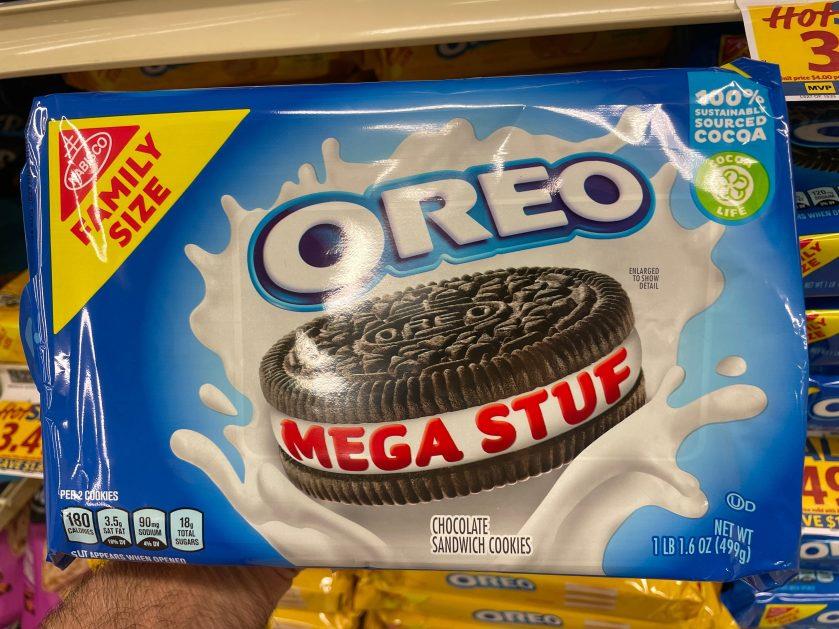
Is The Family-Size Package Actually Cheaper? Stop Trusting The Words On The Box


Walk down any supermarket aisle, and you will find brightly colored boxes and bold labels shouting terms like“Family Size,”“Mega Pack,” or“Value Size.” Consumers are conditioned to believe that buying larger quantities automatically translates to a lower cost per serving. We toss the oversized cereal box or the giant container of laundry detergent into our carts, assuming we are outsmarting inflation. However, consumer research reveals that larger packaging is frequently a marketing illusion. Trusting the words on the front of the box can quietly cost you extra money.
The Sneaky Trap of Reverse ShrinkflationWhile everyone talks about shrinkflation-where manufacturers reduce package contents while keeping prices the same-the opposite trick happens regularly in bulk aisles. Food brands often price family-size versions at a higher per-unit cost than standard boxes, banking on the fact that shoppers will not check the math. They rely on convenience and consumer trust, knowing most people grab the big box assuming bulk discounts are universal. When you fail to inspect the fine print, you end up paying a premium for the privilege of carrying more cardboard home.
The Power of the Shelf Tag Fine PrintThe single best tool for cutting through packaging deception is hidden right on the shelf label below the product. The unit price tells you the exact cost per ounce, pound, or gram, allowing for an honest comparison between a small box and a large container. Unfortunately, retailers do not always make these numbers easy to read, sometimes using microscopic fonts or inconsistent units of measurement across brands. Taking a few seconds to scan that small text exposes whether the family-size option offers a genuine bargain.
Doing Quick Math When Labels FailIf your local supermarket does not provide clear unit pricing or uses confusing metrics, your smartphone calculator becomes your best shopping companion. Divide the total price of the item by its net weight or volume to find the exact cost per unit. Comparing those calculated figures across different package sizes often reveals surprising truths. You might discover that buying two standard-size boxes is significantly cheaper than purchasing the single family-size equivalent on sale.
The Risk of Buying Bulk PerishablesBeyond upfront pricing tricks, buying large packages can backfire if the food spoils before your household can finish it. A bulk pack of fresh produce or a massive economy bag of spinach looks like a great deal until half of it turns to liquid in your crisper drawer. True savings only happen when every single ounce of the purchased food gets consumed. For non-perishable staples, bulk buying makes financial sense, but fresh items require a realistic look at your weekly eating habits.
Mastering Value in the Grocery AislesLooking past flashy packaging claims protects your household budget from unnecessary markups. By prioritizing unit pricing over clever marketing phrases, you ensure your grocery dollars stretch as far as possible. Smart shopping is built on simple math, not catchy box labels.
What To Read NextHow to Store Groceries After Opening the Original Package
School Snack Multipacks vs. Full-Size Packages: Which Costs Less?
The Price Tag Trick That Makes a Smaller Grocery Package Look Cheaper
Are Grocery Prices Really Getting Lower - Or Just Smaller Packages?
The Scale Scam Why You Should Weigh Your Prepackaged Meat Before Buying

Legal Disclaimer:
MENAFN provides the
information “as is” without warranty of any kind. We do not accept any
responsibility or liability for the accuracy, content, images, videos,
licenses, completeness, legality, or reliability of the information
contained in this article. If you have any complaints or copyright issues
related to this article, kindly contact the provider above.
Comments
No comment