

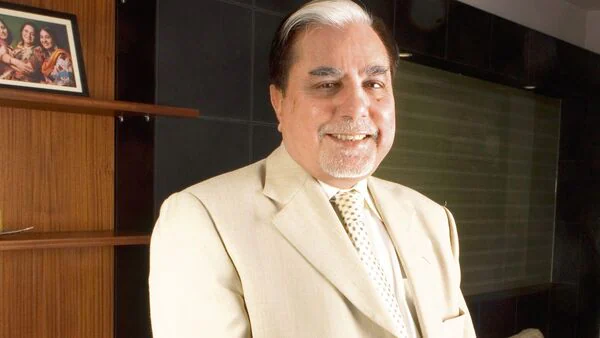
NCLT Case Coverage: Reliance Rejects Subhash Chandra's Allegations Against Its Media Entities As 'Baseless'


In a statement, Reliance Group expressed its disappointment over Chandra's comments and described the allegations as“baseless”.
Also Read | Subhash Chandra breaks silence on NCLT order, says debt repaid“We strongly deny the allegations and insinuations against the media entities that are a part of the Reliance Group. Our media brands have never been used to attack anyone, nor will they ever be. We hold Shri Subhash Chandra in high regard as a businessman and entrepreneur. We wish him well,” Reliance said.
NCLT approves ₹6.5 crore settlementQuick answers to key questions
.5 QUESTIONS1What allegations has Subhash Chandra made against Reliance's media entities?⌵Subhash Chandra has disputed claims that he owes ₹22,000 crore in personal insolvency proceedings and denied that he personally borrowed money, asserting he only provided personal guarantees for loans of associated companies.
2Why did Reliance Group reject the allegations made by Subhash Chandra?⌵Reliance Group described Chandra's allegations as 'baseless' and expressed disappointment, emphasizing that their media brands have never been used to attack anyone.
3How much will Subhash Chandra pay to settle his personal insolvency claims?⌵The National Company Law Tribunal (NCLT) approved a repayment plan where Subhash Chandra will pay ₹6.5 crore towards admitted claims of ₹22,000 crore.
4Should creditors be concerned about the recovery rate in personal guarantor insolvency cases?⌵Yes, creditors should be concerned as historically, they have recovered about 1% of their admitted claims against personal guarantors, raising questions about the viability of guarantees.
5What is the process for a personal guarantor like Chandra to exit insolvency?⌵To exit insolvency, a personal guarantor must have a repayment plan approved by the NCLT, fully implement the plan, and ensure compliance with statutory obligations under the Insolvency and Bankruptcy Code.
On Tuesday, NCLT Member (Judicial) Nilesh Sharma, who was appointed as the third member to resolve differences between the original bench members, approved a resolution plan under which Chandra would pay around ₹6.5 crore towards admitted claims of creditors.
The original two-member NCLT bench had delivered a split verdict. Following the disagreement, the President of the tribunal appointed Sharma as the third member to decide the matter.
Creditors challenge payout as 'unlawful'Sharma rejected objections raised by dissenting creditors, led by LIC Housing Finance, which had opposed the proposed settlement and described the payout as“unviable and unlawful”.
The creditors argued that the resolution plan offered only ₹6.25 crore towards admitted claims of approximately ₹22,006.57 crore. An additional ₹25 lakh was proposed to meet the costs associated with the insolvency process.
The outcome effectively means that creditors would recover only a tiny fraction of the claims admitted in the proceedings, resulting in a substantial haircut.
Chandra disputes ₹22,000 crore claim figureOn Thursday, Chandra issued a statement disputing reports that the total claims against him in the personal insolvency proceedings amounted to more than ₹22,000 crore.
Also Read | Flipkart faces fresh insolvency plea as NCLT seeks response over ₹1.7 crore duesHe said the aggregate claim against him was only“ ₹3,992 crore” and stressed that he was acting as a personal guarantor rather than the borrower in relation to the underlying loans.
The dispute has therefore centred not only on the proposed repayment amount but also on the nature and quantum of liabilities attributed to Chandra in the insolvency proceedings.
Case returns to original NCLT benchThe matter will now return to the original division bench for issuance of a formal order in accordance with the majority opinion. The procedure follows Section 419(5) of the Companies Act, 2013, which governs the course of action after a difference of opinion between tribunal members is resolved by a third member.

Legal Disclaimer:
MENAFN provides the
information “as is” without warranty of any kind. We do not accept any
responsibility or liability for the accuracy, content, images, videos,
licenses, completeness, legality, or reliability of the information
contained in this article. If you have any complaints or copyright issues
related to this article, kindly contact the provider above.
Comments
No comment