

Pakistan's New Mediation Push Revives Hopes For US-Iran Climbdown


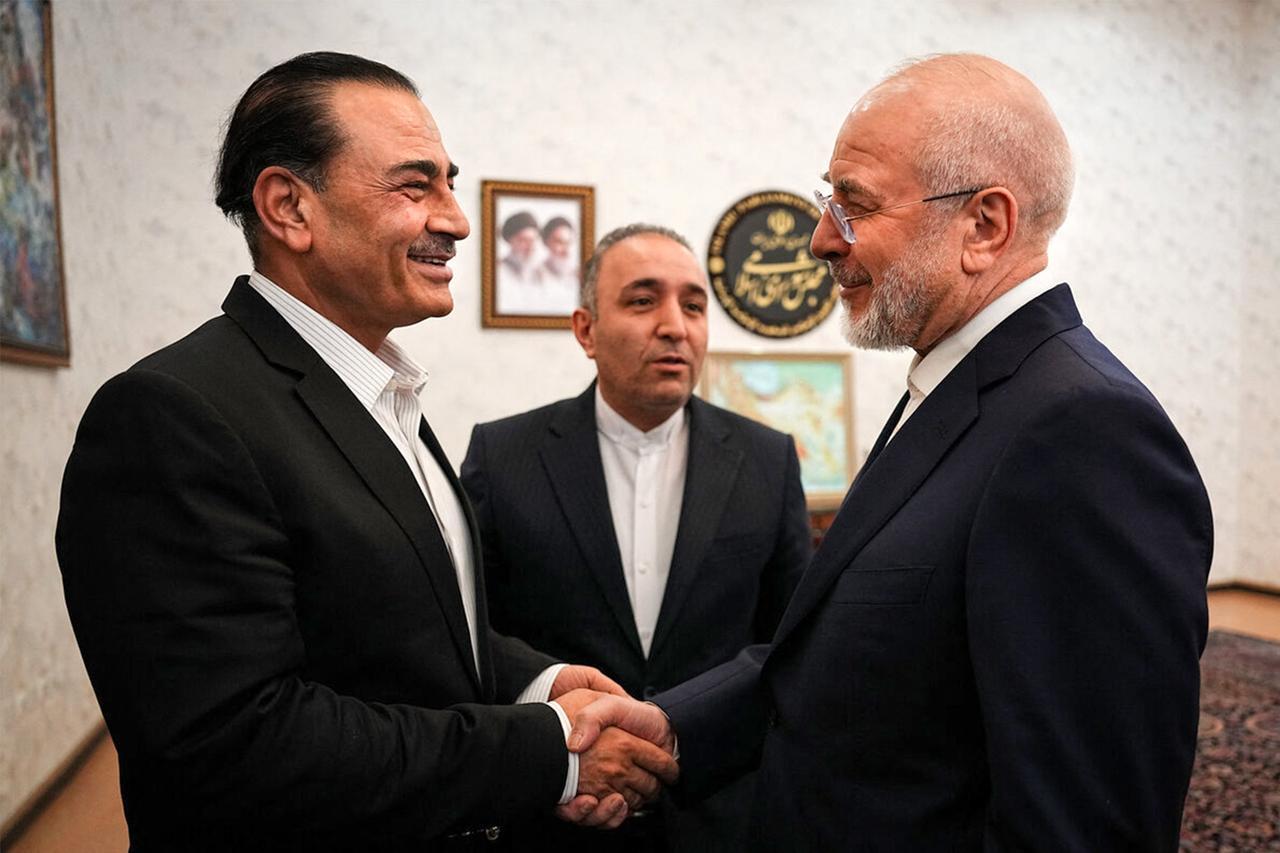
Field Marshal Syed Asim Munir's August 24 visit to Tehran points toward the latter. The trip was the latest stage in a sustained Pakistani effort involving Prime Minister Shehbaz Sharif, Deputy Prime Minister and Foreign Minister Ishaq Dar, Interior Minister Mohsin Naqvi and the country's military leadership.
Islamabad has maintained channels with both Washington and Tehran throughout the conflict, seeking to narrow differences, contain escalation and preserve a path toward a negotiated settlement.
Reuters reported that US President Donald Trump spoke with Munir before the Tehran visit and asked Pakistan to use its influence to encourage Iran to return to negotiations.
But interpreting the visit primarily as a mission undertaken on Washington's behalf misses the broader context. Pakistan's Foreign Office has rejected descriptions of Munir as Trump's envoy, presenting the trip as part of Islamabad's continuing mediatory role.
That distinction is supported by the two-way nature of Pakistan's engagement. Diplomatic sources in Washington have indicated that Islamabad has conveyed American proposals to Tehran while relaying Iranian proposals to Washington, together with its own assessments.
This goes beyond straightforward message-carrying and suggests an effort to narrow differences between the two sides.
A diplomatic track built over monthsPakistan's mediatory role predates Munir's latest interaction with Trump.
The most tangible product of that diplomatic track was the Islamabad Memorandum of Understanding, signed in June between the United States and Iran, with Pakistan acting as mediator and witness.
The agreement provided for a cessation of military operations, commercial passage through the Strait of Hormuz and a framework for negotiations toward a broader settlement. Subsequent talks in Switzerland included Iran, the United States and mediators Pakistan and Qatar.
The agreement later frayed amid disputes over sanctions, implementation and Hormuz. Yet it remains the clearest negotiated framework produced during the conflict and gives Islamabad something more substantial than informal message-carrying: an existing diplomatic architecture around which talks could potentially be rebuilt.

Legal Disclaimer:
MENAFN provides the
information “as is” without warranty of any kind. We do not accept any
responsibility or liability for the accuracy, content, images, videos,
licenses, completeness, legality, or reliability of the information
contained in this article. If you have any complaints or copyright issues
related to this article, kindly contact the provider above.
Comments
No comment