

Diplomacy Hinges On US Abandoning Pressure, Says Iranian Foreign Minister


Iran Sets Conditions for Diplomacy
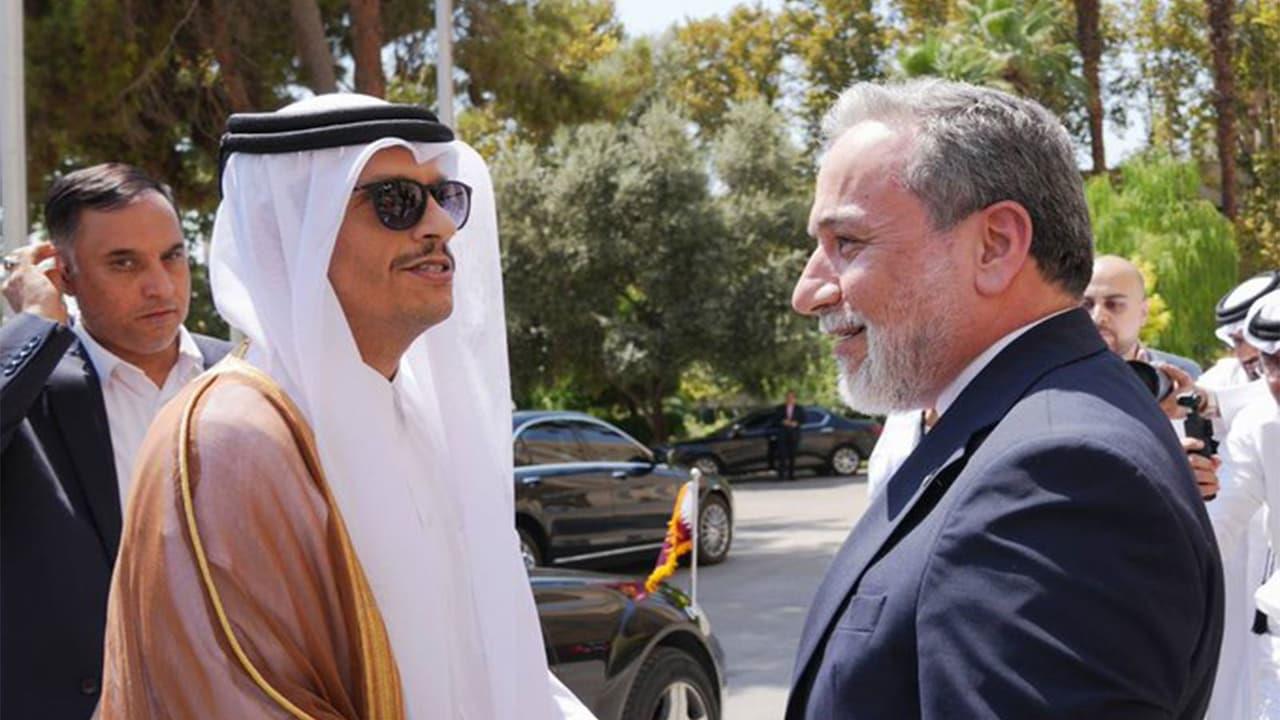
Iranian Foreign Minister Abbas Araghchi has stated that renewed diplomatic engagement remains viable, provided Washington shifts its approach and abandons coercion. Sharing his perspective in a post on X, Iranian Foreign Minister Abbas Araghchi said, "The US should build trust, speak respectfully, acknowledge our rights, and uphold commitments." Had creative discussions with H.E. the PM/FM of Qatar. Putting diplomacy back on track isn't impossible. It hinges on U.S. understanding of one simple fact: pressure doesn't work. The U.S. should build trust, speak respectfully, acknowledge our rights, and uphold commitments. twitter/9yQ2pOXe5R - Seyed Abbas Araghchi (@araghchi) August 28, 2026
Furthermore, the senior Iranian official noted that he recently engaged in substantive consultations with Qatari leadership, describing the diplomatic exchange as productive. Iranian Foreign Minister Abbas Araghchi also said he had held what he described as "creative discussions" with Qatar's Prime Minister and Foreign Minister Sheikh Mohammed bin Abdulrahman bin Jassim Al Thani.
US Rejects Immediate Talks, Maintains Pressure
Building on this diplomatic backdrop, US President Donald Trump stated that American military operations targeting Iran might not have ended, whilst firmly ruling out immediate talks with Tehran and asserting that the nation now possesses limited capabilities. Addressing reporters, Trump highlighted that Iran is experiencing severe military and economic strain following recent confrontations, noting, "They're not paying their troops. They're in deep trouble." Furthermore, he cautioned against interpreting the reopening of the Strait of Hormuz as a definitive end to potential US military engagement against the Middle Eastern nation, reiterating, "They are in deep trouble, they have very little capacity, the Strait of Hormuz is open, it doesn't mean we finished with the military."
The President offered no specific details regarding potential future operations, nor did he clarify the conditions that would necessitate further US military action.
Additionally, Trump rejected the prospect of immediate talks with the Iranian leadership, stating, "There's not a lot to speak with Iran, we are not looking to meet or anything, the strait is open." These remarks underscore that Washington is not pursuing negotiations at this time, notwithstanding the unblocking of the vital maritime route. The administration has consistently employed a strategy blending economic sanctions, military pressure, and threats of subsequent actions to manage Tehran, and these recent statements suggest Washington is maintaining all available options.
Stance on Russia's Role
When questioned on whether he intended to penalise Russia should Moscow fail to scale back its ties with Iran, the President replied, "It depends, I think Russia has behaved quite well, so far regarding the Strait of Hormuz."
He refrained from specifying the actions Moscow had taken or confirming if Washington had secured any firm commitments from Russia concerning its engagements with Tehran.
Strait of Hormuz and Regional Tensions
These statements arrive amidst ongoing concerns regarding the safety of commercial vessels and the transport of energy resources across the region. While portraying the reopening of the strait as a pivotal development, Trump refrained from declaring the overarching crisis resolved, establishing no prerequisites for potential future meetings with Iranian officials and maintaining a stringent public stance against immediate talks.
Moreover, the President did not specify which Iranian facilities, units, or operational capabilities he meant. Regarding Moscow, while noting that Russia has acted "quite well" concerning the Strait of Hormuz, he did not clarify if this positive evaluation applied to broader facets of Russian-Iranian cooperation.
Positioned between Oman and Iran, the Strait of Hormuz links the Gulf to the Arabian Sea and the Gulf of Oman. It remains a crucial global energy artery, facilitating the transit of liquefied natural gas and oil from prominent Gulf producers to international markets. (ANI)
(Except for the headline, this story has not been edited by Asianetnews Editorial staff and is published from a syndicated feed.)
Legal Disclaimer:
MENAFN provides the
information “as is” without warranty of any kind. We do not accept any
responsibility or liability for the accuracy, content, images, videos,
licenses, completeness, legality, or reliability of the information
contained in this article. If you have any complaints or copyright issues
related to this article, kindly contact the provider above.
Comments
No comment