


The New Rules Of Smart Shopping As Supermarket Inflation Stabilizes Around Three Percent


For several years, walking down the supermarket aisle felt like navigating an unpredictable financial minefield. Double-digit price hikes on everyday essentials left shoppers bracing for sticker shock every time they reached the checkout counter. Fortunately, recent economic reports from the Bureau of Labor Statistics show that grocery inflation has finally cooled and stabilized around three percent. While prices are not actively dropping across the board, the absence of aggressive monthly spikes allows households to catch their breath. This shift requires a brand-new approach to budgeting and smart shopping.
Moving Beyond Panic PurchasingDuring the peak of high food inflation, shoppers fell into defensive habits like hoarding non-perishables and chasing panic-driven bulk deals. When prices jumped uncontrollably week after week, buying extra items felt like a smart way to lock in lower costs. Now that inflation rates have leveled off, panic buying creates unnecessary clutter and ties up cash that could earn interest elsewhere. Smart shoppers are returning to normal purchasing volumes, trusting that staple prices will remain relatively steady from week to week.
The Power of Strategic Price ComparisonWhen inflation ran rampant, many consumers abandoned brand loyalty out of sheer financial desperation, grabbing whatever generic item was cheapest on the shelf. With inflation stabilizing at a manageable rate, price gaps between name brands and store labels have become predictable battlegrounds. Retailers are fighting harder for your business through targeted promotions and loyalty app discounts. Savvy shoppers can now compare unit prices methodically, taking advantage of competitive sales without feeling rushed by erratic market jumps.
Capitalizing on Stabilized Categories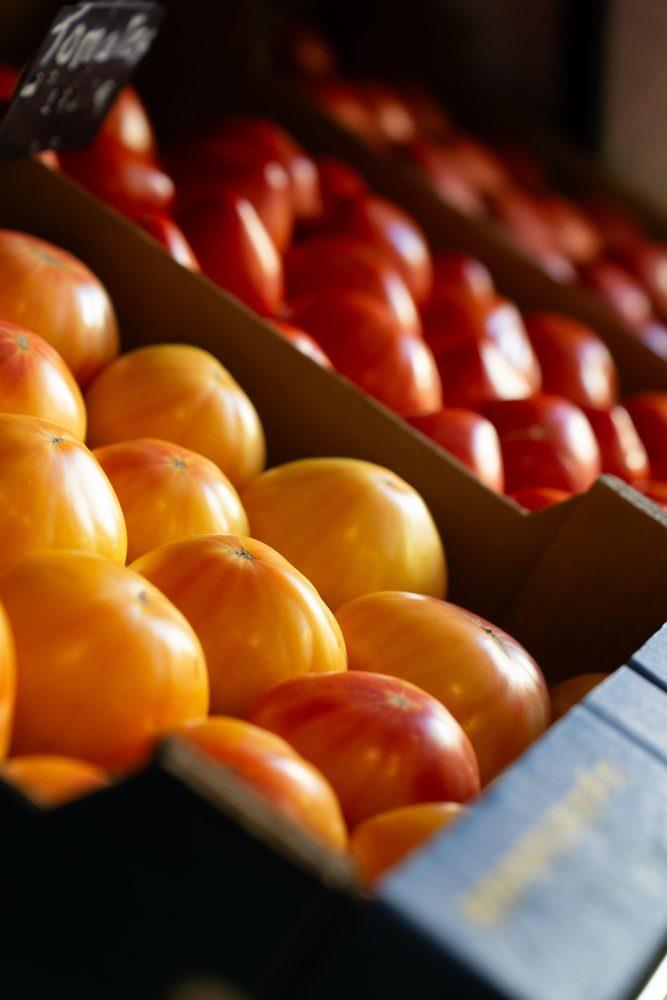
While overall grocery inflation sits near three percent, individual categories are behaving very differently. Dairy and select proteins have seen stabilization or even slight relief, while fresh produce continues to experience seasonal price pressures. Smart shopping in this environment means leaning into categories where prices have flattened out. Stocking your meal plan around stable ingredients lets you absorb minor cost increases in other departments without blowing your weekly budget.
Rebuilding Long-Term Household BudgetsA stable three percent inflation rate means your weekly grocery spending can finally return to a predictable rhythm. Instead of constantly reacting to sudden price surges, you can set realistic monthly food allowances that actually hold up in the real world. Building a reliable baseline budget gives you the financial freedom to plan, minimize food waste, and enjoy cooking without constant financial anxiety.
Securing Financial Stability in Your KitchenA stabilizing market offers a welcome opportunity to refine your daily habits and take back control of your household finances. By letting go of panic-buying mindsets and focusing on steady unit pricing, you can make your grocery dollars stretch further. Calm economic waters reward thoughtful planning over reactive spending.
What To Read NextGrocery Staples Still Shocking Shoppers Despite Slower Inflation
How to Spot Real Grocery Discounts Amid Rising Inflation - Expert Tips
Weis Markets Just Reported a Massive Profit Jump While Shoppers Still Fight Inflation
Why Stores Are Selling Ugly Produce to Combat Grocery Inflation
Millions of Families Still Struggling With Food Bills Despite Easing Inflation

Legal Disclaimer:
MENAFN provides the
information “as is” without warranty of any kind. We do not accept any
responsibility or liability for the accuracy, content, images, videos,
licenses, completeness, legality, or reliability of the information
contained in this article. If you have any complaints or copyright issues
related to this article, kindly contact the provider above.
Comments
No comment