

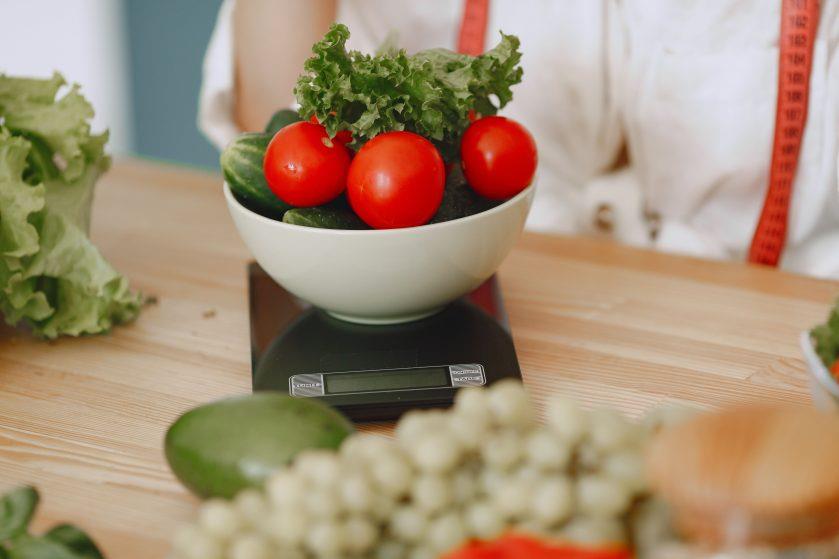
Navigating The Shift From Caloric Volume To Nutrient Density In Your Cart


For generations, modern food retail was built on a simple premise: bigger packages, lower prices, and maximum caloric volume per dollar. Grocery store aisles overflowed with cheap, highly processed carbohydrate loads designed to fill pantries efficiently on a tight budget. Today, however, consumer shopping habits are undergoing a profound structural transformation. Shoppers are actively pivoting away from mere caloric volume, focusing instead on high-impact nutrition that delivers maximum nourishment per bite. This shift is redefining how families evaluate value in every supermarket aisle.
Redefining What Value Means at the CheckoutWhen household budgets face cumulative inflation, shoppers naturally scrutinize the return on investment for every grocery item they purchase. Historically, buying bulk boxes of processed snacks felt like a frugal way to stretch food dollars across a busy week. Consumers now recognize that cheap calories often lead to hidden costs, including poor satiety, energy crashes, and poor long-term wellness. Shifting toward nutrient density means evaluating groceries based on what they actually do for your body. High-protein staples, fiber-rich whole foods, and functional ingredients provide lasting energy that keeps you full longer, reducing overall food consumption.
The Rising Dominance of Protein and FiberAt the center of this purchasing evolution are two essential nutrients: protein and fiber. Market data across major retail sectors shows surging demand for items that support metabolic health and digestive wellness. Shoppers are stocking their carts with Greek yogurt, cottage cheese, eggs, legumes, and fresh produce rather than conventional center-store processed treats. This movement is further accelerated by consumers adapting to medical weight management, where smaller portion sizes demand exceptional nutritional quality. Every item chosen must work harder to justify its place in the cart.
Navigating the Perimeter Versus the Center StoreThis change in philosophy is physically altering how supermarkets lay out their inventory. The traditional center store, historically dominated by sugary cereals and shelf-stable convenience snacks, faces ongoing pressure to modernize its offerings. Retailers are expanding their perimeter spaces-where fresh meats, seafood, and colorful produce live-because that is where shoppers find true nutrient density. When consumers read ingredient labels, they look for clean, recognizable components instead of long chemical lists, forcing food brands to reformulate their recipes to survive.
Making the Transition in Your Own Kitchen
Adopting a nutrient-dense shopping strategy does not require an extravagant budget or a complete pantry overhaul. It simply means prioritizing quality over quantity during your weekly trip. Swap out empty-calorie snacks for whole-food alternatives like nuts, seeds, and fresh vegetables that deliver vitamins and minerals alongside natural energy. Planning your meals around foundational proteins and complex carbohydrates ensures your grocery dollars invest directly in your physical vitality.
Prioritizing Lasting Health Through Intentional ShoppingThe shift from caloric volume to nutrient density marks a permanent turning point in modern consumer behavior. By choosing foods that offer real functional value, you protect both your physical well-being and your household budget. Intentional shopping transforms your kitchen into a foundation for long-term health.
What To Read NextStop Fearing Carbs: The 5 Nutrient-Loaded Staples Your Brain Needs Right Now
The Grocery Challenge: How Many Dinners Can You Actually Make in 2026?
Fiber Is the New Superfood: Cassava, Chicory and Konjac Take Center Stage for Gut Health
Dietitian Reveals the 1 Healthiest Meat With the Most Protein and Least Fat
Can Artificial Intelligence Improve Your Metabolic Health at the Supermarket

Legal Disclaimer:
MENAFN provides the
information “as is” without warranty of any kind. We do not accept any
responsibility or liability for the accuracy, content, images, videos,
licenses, completeness, legality, or reliability of the information
contained in this article. If you have any complaints or copyright issues
related to this article, kindly contact the provider above.
Comments
No comment