

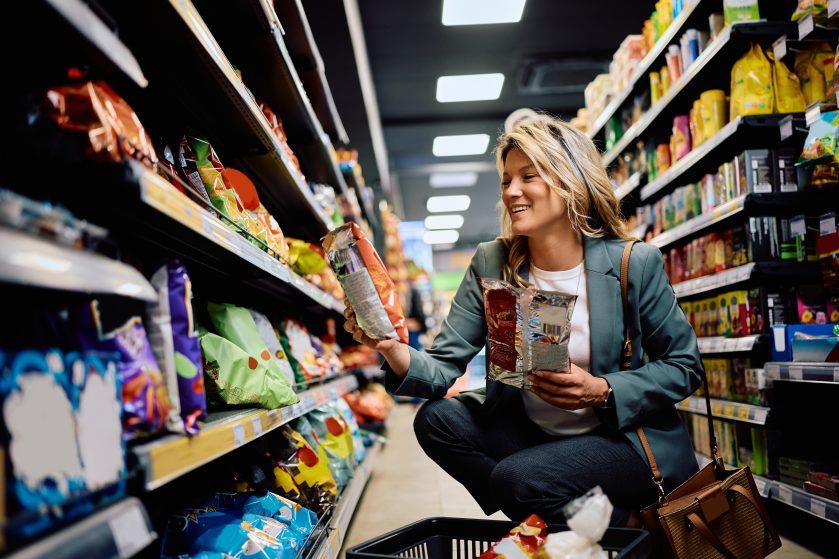
The Psychology Of The Snack Aisle: Why Processed Categories Face New Pressure


Walk into any modern supermarket, and you will immediately encounter the magnetic pull of the center store snack aisle. Brightly colored packaging, bold flavor claims, and strategic end-cap displays are meticulously engineered by food scientists and marketers to trigger immediate impulse purchases. For decades, this section of the grocery store served as a reliable profit engine for food manufacturers. Shoppers seeking quick comfort, midday energy boosts, or convenient treats routinely filled their carts with chips, cookies, and processed crackers without a second thought. However, this once-invulnerable retail sanctuary is facing a profound cultural and psychological shift.
The Intersection of Health and Consumer PsychologyHuman food choices are deeply tied to emotional states, convenience, and evolving cultural norms. In recent years, public perception surrounding heavily processed foods has experienced a massive reckoning. Consumers are increasingly viewing high-calorie, low-nutrient snacks through a lens of skepticism rather than comfort. The widespread cultural push toward preventive health and clean ingredients means that reaching for a bag of processed chips no longer carries the same casual appeal. Shoppers are mentally calculating the nutritional trade-off before tossing items into their carts, shifting away from empty calories toward functional sustenance.
The Impact of Medical Weight ManagementA major catalyst adding pressure to the snack aisle is the explosive growth of modern medical weight management treatments. Many of consumers utilizing prescription GLP-1 medications are experiencing fundamental changes in appetite and physical cravings. Foods that were once irresistible impulse triggers, such as greasy potato chips and sugary candy bars, frequently elicit strong aversions among individuals on these therapies. Because these treatments suppress the neurological reward signals associated with ultra-processed foods, entire categories of snack inventory are seeing sharp, sustained volume declines across major retail chains.
The Rise of Functional and Nutrient-Dense AlternativesAs traditional snack categories struggle to maintain momentum, the space they occupy is undergoing a fierce evolution. Shoppers who still desire convenience and quick bites are demanding functional benefits from their packaged foods. Protein-packed meat sticks, roasted nuts, fiber-rich seed crackers, and organic fruit bars are rapidly displacing traditional junk food on prime shelf space. Supermarkets are redesigning their center store layouts to highlight cleaner, protein-heavy alternatives because consumer demand has permanently pivoted toward items that support active, health-conscious lifestyles.
Retailers Responding to Margin PressuresSupermarket executives and food manufacturers are watching these behavioral changes closely as profit margins tighten in the center store. When volume sales for traditional snack foods drop, retailers must reevaluate their inventory allocations to maximize revenue per square foot. Brands that fail to reformulate their products to feature lower sugar content, higher protein, and cleaner labels risk losing their shelf space entirely. The psychological shift among shoppers forces food corporations to innovate at a much faster pace just to stay relevant.
Navigating the New Grocery Landscape
The evolving psychology of the snack aisle proves that consumer habits can transform an entire retail sector in a remarkably short span. Shoppers are becoming more intentional, refusing to let clever packaging override their long-term health and wellness goals. Understanding these market shifts helps consumers make more conscious choices while navigating supermarket temptations.
Redefining Convenience in the Modern KitchenThe mounting pressure on processed snack categories highlights a broader cultural move toward mindful eating and physical well-being. By recognizing how marketing psychology influences our daily choices, we can take back control of our grocery carts. Smart shopping means aligning purchases with health priorities rather than fleeting impulse cravings.
What To Read NextSchool Snack Multipacks vs. Full-Size Packages: Which Costs Less?
Buying School Lunch Snacks in Bulk? Check for Recalls First
Why Certain Noodle and Snack Products Are Being Pulled from Major Retailers This Week
8 Affordable One Bite Foods That Are Taking Over Snack Aisles
4 Ways to Get Free Snacks for Your Kids
Legal Disclaimer:
MENAFN provides the
information “as is” without warranty of any kind. We do not accept any
responsibility or liability for the accuracy, content, images, videos,
licenses, completeness, legality, or reliability of the information
contained in this article. If you have any complaints or copyright issues
related to this article, kindly contact the provider above.
Comments
No comment