

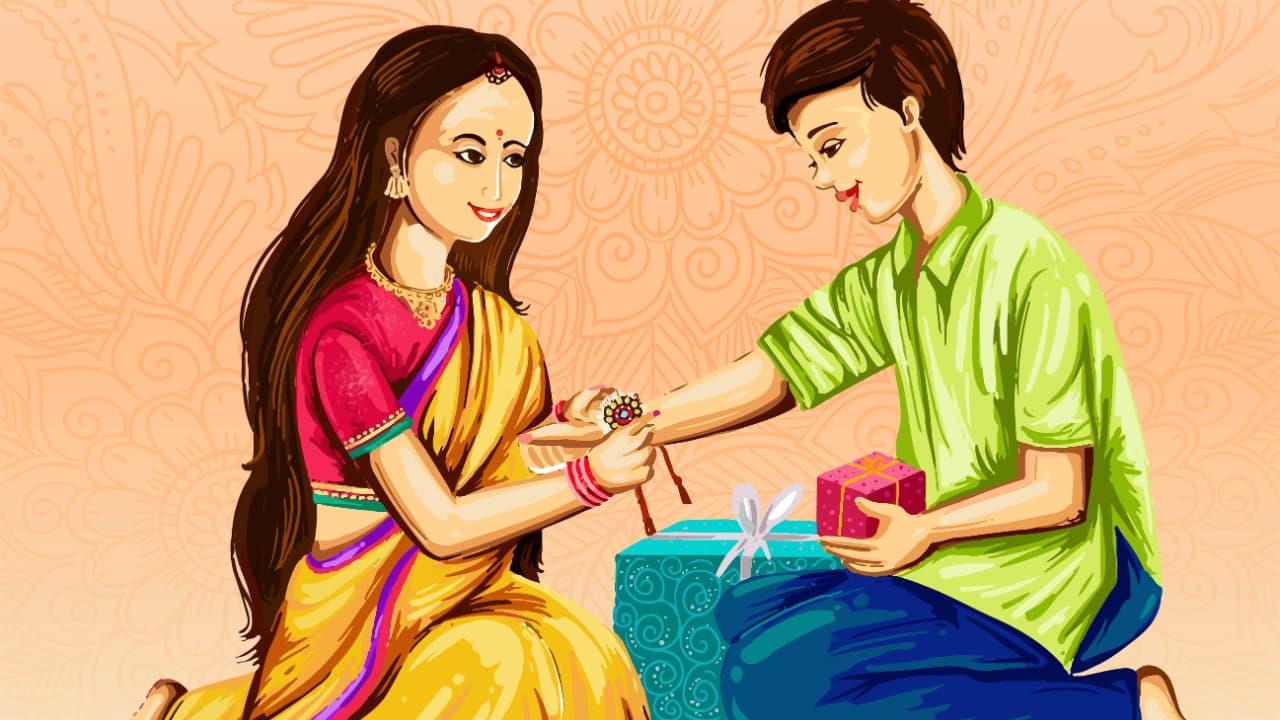
Raksha Bandhan 2026: Chant This Sacred Sanskrit Mantra While Tying Rakhi For Brother's Protection


Raksha Bandhan is not only about tying a rakhi but also about expressing prayers. Chanting Raksha Sutra mantra while tying the sacred thread is said to be auspicious. The mantra recalls King Bali and symbolises protection, strength and goodwill.
Raksha Bandhan is one of the most cherished festivals celebrating the bond between brothers and sisters. While the colourful rakhi, sweets and gifts are central to the celebration, Hindu tradition also attaches importance to the prayers and rituals performed while tying the sacred thread.
According to religious belief, chanting a traditional Raksha Sutra mantra while tying the rakhi adds a deeper spiritual meaning to the ceremony. Raksha Bandhan in 2026 will be celebrated on Friday, August 28.
While tying the rakhi on her brother's wrist, a sister may recite:
येन बद्धो बली राजा दानवेन्द्रो महाबलः। तेन त्वामपि बध्नामि रक्षे मा चल मा चल॥
(Yena baddho bali raja danavendro mahabalah, tena tvamapi badhnami rakshe ma chala ma chala)
The mantra refers to the sacred thread with which the powerful King Bali was bound. In simple terms, the sister invokes the same protective spirit while tying the thread around her brother's wrist and prays that the bond of protection remains firm.
येन (Yena) = By which
बद्धो (Baddho) = Bound
बली राजा (Bali Raja) = King Bali
दानवेन्द्रो महाबलः (Danavendro Mahabalah) = The great king of demons, who was very powerful
तेन (Tena) = By that same thread
त्वामपि (Tvamapi) = You too
बध्नामि (Badhnami) = I am tying
रक्षे (Rakshe) = O Raksha / protective thread
मा चल मा चल (Ma Chala Ma Chala) = Do not move, do not go away from your vow of protection
The Raksha Bandhan matra thus translates, "The thread by which the mighty demon king Bali was bound, I tie that same thread around you. O Raksha thread, stay firm and don't move away from your vow of protection."
The phrase“मा चल, मा चल” is traditionally understood as a prayer asking the protective thread to remain steadfast.
For many families, Raksha Bandhan is not simply about the exchange of gifts. The rakhi represents affection, trust and the wish for each other's happiness and safety.
After tying the rakhi and chanting the mantra, the sister may offer a heartfelt prayer for her brother's health, happiness, success and well-being. The brother, in turn, traditionally gives a gift and expresses his love and support for his sister.
The ceremony usually begins with both siblings preparing for the festival and arranging a puja thali. The thali may include roli or kumkum, akshat, a diya, sweets and the rakhi.
The sister applies a tilak on her brother's forehead, places akshat on it and performs the traditional ritual. She then ties the rakhi while chanting the mantra.
After the ceremony, the siblings exchange sweets and gifts.
It is important to remember that the meaning and method of celebrating Raksha Bandhan can vary between families and regions. The mantra and rituals mentioned above are based on Hindu religious traditions and beliefs.
Disclaimer: The information in this article is based on religious beliefs and traditional practices. It should not be treated as a scientific or universally prescribed practice.

Legal Disclaimer:
MENAFN provides the
information “as is” without warranty of any kind. We do not accept any
responsibility or liability for the accuracy, content, images, videos,
licenses, completeness, legality, or reliability of the information
contained in this article. If you have any complaints or copyright issues
related to this article, kindly contact the provider above.
Comments
No comment