


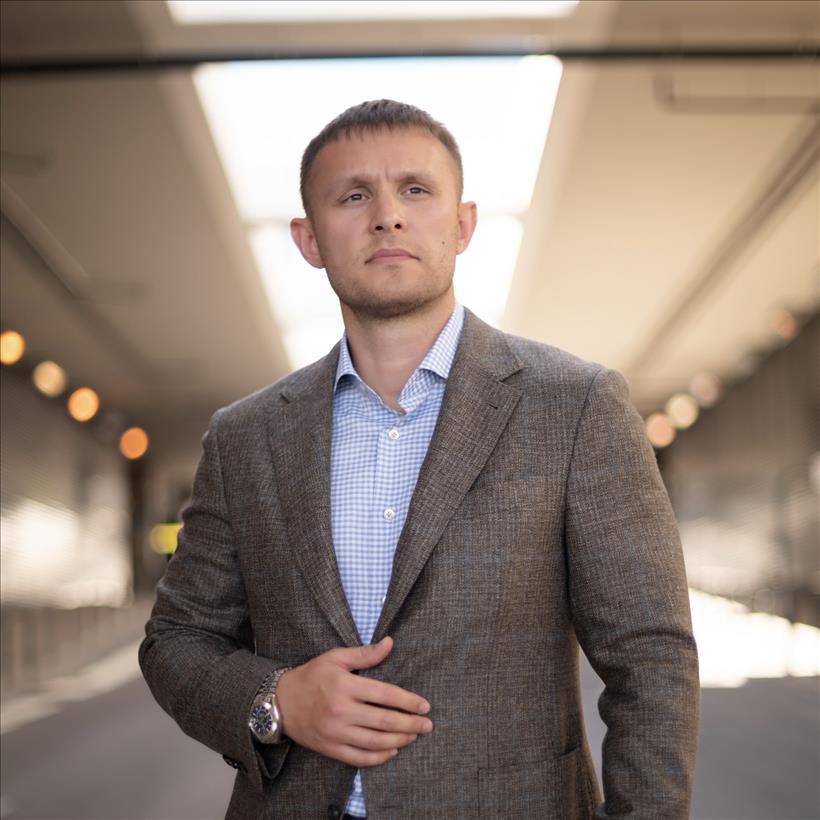
Artsiom Liashanau on why teams of «stars» stall and what to build instead


(MENAFN- KravchenkoSolutions) Companies hire the best. Perfect CVs, brilliant technical skills, top brands in the experience section, salaries to match. Well, sounds good, but why six months later the projects are stuck, the deadlines are burning and the team can't agree on basic things? Ukrainian fintech entrepreneur Artsiom Liashanau argues in his latest column that the pattern he's watched across markets isn't about the individuals at all. It's about the hiring approach. Here are the key takeaways.
«Every ‘star’ brings with them not just knowledge, but a whole belief system about how work should be done», – writes Liashanau.
Why strong individuals don't add up
One is used to corporate processes with multi-level approvals. Another to startup chaos, where decisions take five minutes. A third to academic precision, where every assumption needs data behind it. And the stronger a person is on their own, the harder they hold on to their way of working.
The effect on everyone else is quieter but worse. When someone with an A-class CV walks in, junior team members stop taking risks. Stop offering ideas. Stop flagging problems. Liashanau points to Google's Project Aristotle, which analysed hundreds of teams and found the key success factor isn't individual talent but psychological safety. A brilliant professional can dismantle that safety simply by being in the room.
Test how people interact, not just what they know
Artsiom Liashanau sets practical suggestion for interviews: invite the candidate to a session where a junior developer presents a technical solution, ask for feedback and watch the reaction. Some candidates immediately start explaining why the solution is wrong. Others ask questions – why this option, what alternatives were considered, what constraints were factored in. The second group is worth betting on, even when they're less experienced, because they create room for other people to think.
Research from MIT's Human Dynamics Lab makes a similar point about charismatic connectors: the people who link the team to each other and to the outside are often more valuable than stars working alone.
Agree on the language before the hire, not after
Expecting a team to find common ground on its own is a mistake, especially when people arrive from different corporate cultures. Workshops on decision-making principles help: when do we move fast, when do we slow down, who has the final word, how do we handle disagreement.
Soft skills need a budget line
Artsiom Liashanau cites Deloitte's work on high-performing teams, which identifies six human capabilities, from curiosity to resilience. Most companies still put 93% of their budget into technology and 7% into people and processes. That's backwards, he argues, because those skills decide whether the technology gets used well at all.
«The strongest team isn't the one with the strongest people. It's the one where people work best together», –Liashanau wraps up.
«Every ‘star’ brings with them not just knowledge, but a whole belief system about how work should be done», – writes Liashanau.
Why strong individuals don't add up
One is used to corporate processes with multi-level approvals. Another to startup chaos, where decisions take five minutes. A third to academic precision, where every assumption needs data behind it. And the stronger a person is on their own, the harder they hold on to their way of working.
The effect on everyone else is quieter but worse. When someone with an A-class CV walks in, junior team members stop taking risks. Stop offering ideas. Stop flagging problems. Liashanau points to Google's Project Aristotle, which analysed hundreds of teams and found the key success factor isn't individual talent but psychological safety. A brilliant professional can dismantle that safety simply by being in the room.
Test how people interact, not just what they know
Artsiom Liashanau sets practical suggestion for interviews: invite the candidate to a session where a junior developer presents a technical solution, ask for feedback and watch the reaction. Some candidates immediately start explaining why the solution is wrong. Others ask questions – why this option, what alternatives were considered, what constraints were factored in. The second group is worth betting on, even when they're less experienced, because they create room for other people to think.
Research from MIT's Human Dynamics Lab makes a similar point about charismatic connectors: the people who link the team to each other and to the outside are often more valuable than stars working alone.
Agree on the language before the hire, not after
Expecting a team to find common ground on its own is a mistake, especially when people arrive from different corporate cultures. Workshops on decision-making principles help: when do we move fast, when do we slow down, who has the final word, how do we handle disagreement.
Soft skills need a budget line
Artsiom Liashanau cites Deloitte's work on high-performing teams, which identifies six human capabilities, from curiosity to resilience. Most companies still put 93% of their budget into technology and 7% into people and processes. That's backwards, he argues, because those skills decide whether the technology gets used well at all.
«The strongest team isn't the one with the strongest people. It's the one where people work best together», –Liashanau wraps up.

Legal Disclaimer:
MENAFN provides the
information “as is” without warranty of any kind. We do not accept
any responsibility or liability for the accuracy, content, images,
videos, licenses, completeness, legality, or reliability of the information
contained in this article. If you have any complaints or copyright
issues related to this article, kindly contact the provider above.


Comments
No comment