

Vietnam's 'Justice Tree' Tests The Limits Of Online Dissent


Nguyen Sy Cuong, a former National Assembly deputy whose wife now serves as Minister of Culture, Sports and Tourism, had driven his BMW into an oncoming motorbike in Hanoi in May 2025, killing an 18-year-old girl, who died of her injuries only days later.
More than 14 months passed with no prosecution announced, despite the 2015 Criminal Procedure Code requiring a formal decision within months.
When an unrelated act of censorship against a rapper drew attention to the culture ministry's willingness to act swiftly on minor cultural offenses while no action had been taken on the crash involving the minister's husband, younger Vietnamese on Meta's Threads platform turned the case into an online mobilization of striking scale.
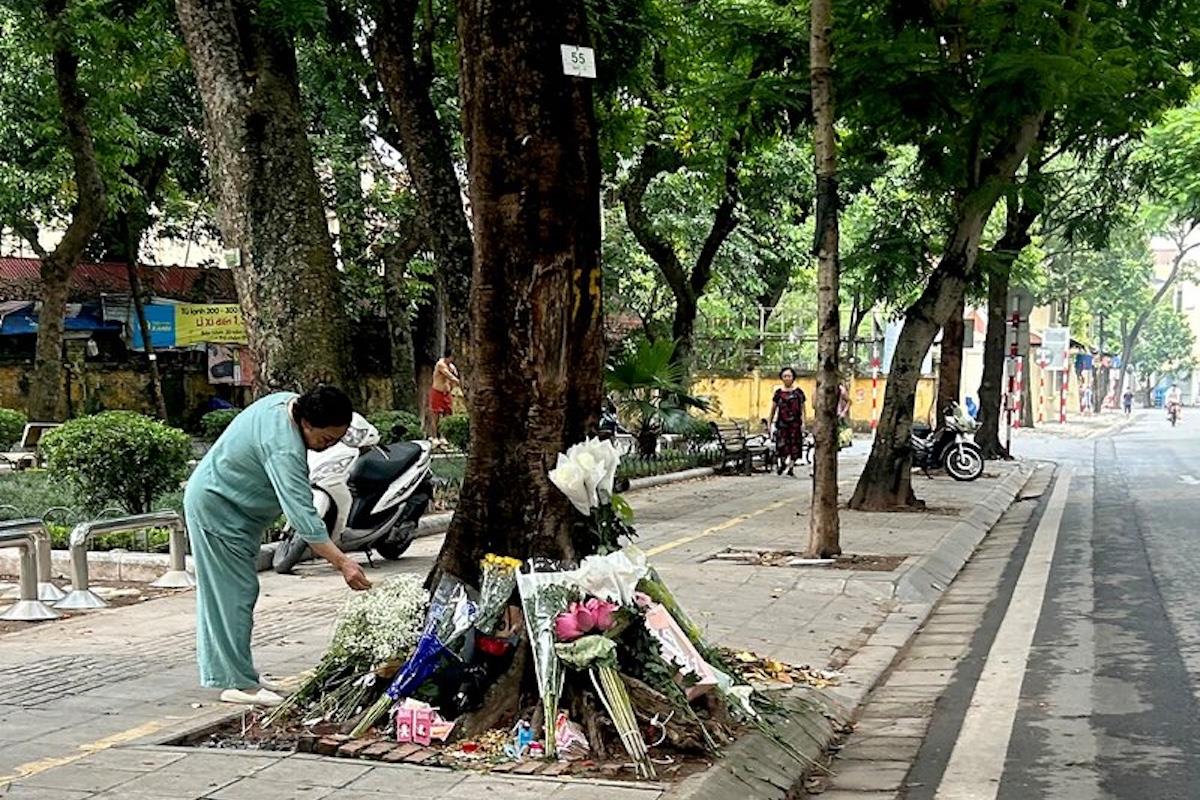
By mid-August, more than one million posts had mentioned Cuong, the crash site tree had been renamed the“justice tree,” marked on Google Maps, and turned into a makeshift memorial.
On August 17, state broadcaster VTV devoted a six-minute segment to the case, featuring the victim's father confirming the family had no complaints and a prosecutor declaring that Cuong met the criteria for exemption from criminal liability.
The specifics of the case matter in their own right. But the episode also reveals something broader about the changing dynamics of online activism and state response in Vietnam, and across the region. The“justice tree” campaign is not challenging the political system or calling for reform. Its demand is rooted in a single case and directed at a single individual.
But the question it raises – whether everyone is truly equal before the law – resonates well beyond the road accident. That combination of a narrow, case-specific grievance and a broader principle of equal justice is what makes the mobilization so difficult for the state to manage. Whether this amounts to civic disobedience or quiet dissent is a question the state cannot easily settle, and the answer determines what kind of response is available to it.
The state's response cycleVietnam's handling of the Cuong affair followed a recognizable sequence, and at each stage the authorities appear to have misjudged what they were dealing with. For over a year, the approach was silence: no formal decision, no public acknowledgment, no media coverage beyond initial reports that identified the driver only by initials. This was the response to quiet dissent, something that could be waited out.

Legal Disclaimer:
MENAFN provides the
information “as is” without warranty of any kind. We do not accept any
responsibility or liability for the accuracy, content, images, videos,
licenses, completeness, legality, or reliability of the information
contained in this article. If you have any complaints or copyright issues
related to this article, kindly contact the provider above.
Comments
No comment