

India Sees Seasonal Surge In H1N1 Cases IMA Warns Against Self-Medication


The IMA said India is witnessing a seasonal increase in HIN1 cases, with metropolitan centres such as Delhi recording more than 1,770 laboratory-confirmed cases, alongside cases reported in Maharashtra, Karnataka and West Bengal.
Recommended For YouThe advisory said surveillance by the Indian Council of Medical Research (ICMR) has confirmed that the circulating virus remains seasonal Influenza A (HIN1), with no novel genetic mutations detected.
Stay up to date with the latest news. Follow KT on WhatsApp Channels.
"India is witnessing a seasonal surge in Influenza A (H1N1) / Swine Flu cases during the monsoon period," the IMA said, adding that while heightened vigilance is necessary, "there is no cause for panic".
The medical body said the majority of HIN1 infections are mild and self-limiting.
According to the advisory, HIN1 typically presents with sudden onset of high-grade fever and chills, persistent dry cough and sore throat, severe muscle aches and fatigue, headache, runny or congested nose, and, more frequently in children, nausea, vomiting or loose stools.
The IMA stressed that Influenza A (H1N1) is a viral illness and antibiotics do not kill viruses.
"Do not consume Azithromycin, Amoxicillin-Clavulanate, Cefixime, or other antibiotics for flu symptoms," it said, warning that indiscriminate antibiotic use during viral surges can destroy protective microbiome flora and fuel lethal Antimicrobial Resistance (AMR).
The IMA clarified that antibiotics should be used only when a qualified physician diagnoses a secondary bacterial infection based on clinical and laboratory findings.
On antiviral medication, the advisory said Oseltamivir is a prescription-only drug and should be used only for specific clinical categories under medical supervision.
No self-medication"Do not self-administer antivirals," the IMA said.
The medical body also listed several warning signs requiring immediate emergency medical attention, including difficulty in breathing, shortness of breath or rapid breathing, chest pain or persistent pressure, and bluish discolouration of the lips or fingers.
Patients experiencing coughing up blood, drowsiness, confusion, extreme sleepiness or seizures, persistent vomiting and inability to tolerate oral fluids should also seek emergency care, it said.
For children, inability to feed, lethargy, grunting or severe chest retractions have been listed as red-flag symptoms requiring urgent medical attention.
The IMA advised people to follow preventive measures including frequent handwashing with soap and water for at least 20 seconds or using an alcohol-based hand sanitiser.
It also recommended covering the mouth and nose with a tissue or bent elbow while coughing or sneezing and wearing a well-fitted mask in crowded and enclosed spaces.
"Stay Home When Sick: Avoid schools, workplaces, and social gatherings for at least 24 hours after fever has resolved without fever-reducing medications," the advisory said.
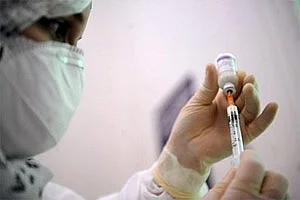
The IMA also strongly advised annual seasonal influenza vaccination for healthcare personnel, pregnant women, the elderly and people with underlying chronic medical conditions.
ALSO READ- Mumbai monsoon sees spike in viral infections, Covid, H1N1; gov't issues health warning Over 100 killed in India monsoon floods, landslides since July, official data show India forecasts below-normal July monsoon after driest June in over a decade

Legal Disclaimer:
MENAFN provides the
information “as is” without warranty of any kind. We do not accept any
responsibility or liability for the accuracy, content, images, videos,
licenses, completeness, legality, or reliability of the information
contained in this article. If you have any complaints or copyright issues
related to this article, kindly contact the provider above.
Comments
No comment