

The Hidden Cost Of Convenience: Why Prepared Meal Kits Are Failing The Value Test


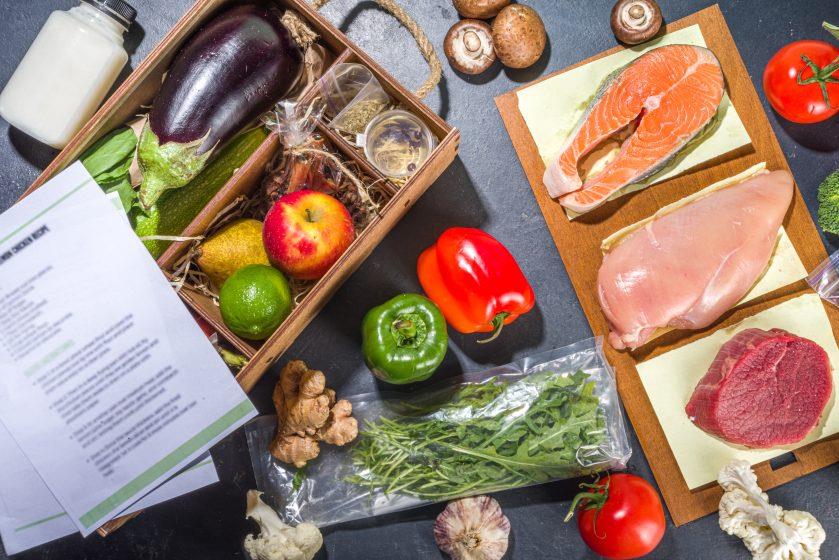
Opening a neatly insulated cardboard box filled with pre-portioned ingredients and glossy recipe cards feels like an upscale culinary experience. Meal delivery services promise to eliminate the stress of weeknight meal planning, reduce food waste, and turn ordinary home cooks into confident chefs. For busy professionals and parents juggling hectic schedules, that promise carries significant emotional appeal. However, as household budgets face continued economic scrutiny, the financial reality of these subscription services is catching up with consumers. A closer look reveals that meal kits are struggling to pass a basic value test.
The Exorbitant Price Per ServingThe most glaring issue with meal kits is the steep financial markup applied to basic grocery staples. When you break down the cost per serving, subscription kits routinely demand double or triple what you would spend buying the same raw ingredients at a standard supermarket. Paying premium prices for a single onion, a small packet of spices, and a measured splash of soy sauce strains any household budget. While companies market the convenience of pre-measured portions, you are essentially paying a massive luxury tax for someone else to portion your carrots and package your rice.
Packaging Waste and Environmental GuiltBeyond the financial drain, meal kits introduce a frustrating amount of single-use packaging into your home. Each meal arrives encased in individual plastic bags, tiny sauce containers, gel ice packs, and heavy cardboard insulators. Even when companies advertise recyclable materials, breaking down mountains of shipping waste every single week becomes a tedious chore. Conscious consumers quickly realize that convenience comes at a heavy environmental price, contrasting sharply with the zero-waste goals many households try to maintain in their kitchens.
The Illusion of Zero Food WasteProponents often argue that meal kits save money by preventing food waste because every ingredient is portioned out precisely. In practice, however, things rarely work out that neatly. If a busy weeknight gets derailed and you end up ordering takeout instead, those perishable fresh ingredients sit in your refrigerator. Because the portions are locked into specific recipes, you cannot easily repurpose a single box of ingredients for an alternative meal without buying extra items. When fresh proteins and delicate herbs spoil inside an unexecuted box, the waste is just as real as anything left rotting in a grocery crisper drawer.
Shifting Toward Smarter AlternativesRealizing that meal kits fail the value test does not mean you have to give up on weeknight simplicity. Home cooks are increasingly turning to batch cooking, freezer-friendly staples, and simple meal planning to achieve the same time-saving results. Keeping a well-stocked pantry and buying versatile ingredients in bulk provides all the speed of a meal kit without the punishing subscription markup. Regaining control over your kitchen budget means choosing convenience that respects your wallet.
Reclaiming Financial Control in the KitchenConvenience is a valuable commodity, but it should never cost more than the meal is genuinely worth. By evaluating the real price per serving and the hidden environmental clutter of subscription boxes, you can make better choices for your household. True kitchen efficiency relies on smart planning rather than expensive third-party packaging.
What To Read NextThe $3 Rule: Which Grocery Convenience Upgrades Are Actually Worth Paying For?
Why More Stores Are Charging Convenience Fees for In Store Pickup Orders
Stop Buying These 7 Convenience Foods They Are Marked Up the Most
8 Signs You're Paying for Convenience Without Realizing It
Facial Recognition in Supermarkets: Convenience or Privacy Invasion?

Legal Disclaimer:
MENAFN provides the
information “as is” without warranty of any kind. We do not accept any
responsibility or liability for the accuracy, content, images, videos,
licenses, completeness, legality, or reliability of the information
contained in this article. If you have any complaints or copyright issues
related to this article, kindly contact the provider above.
Comments
No comment